
government
An-26 crash site discovered, 29 passengers, crew members died
Contact with the plane was lost during a routine flight over Crimea on March 31
a month ago
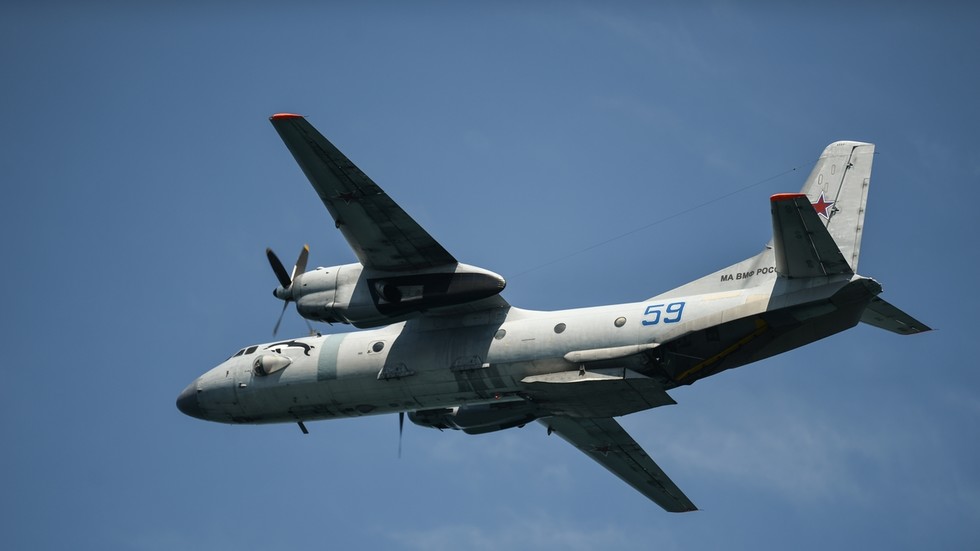
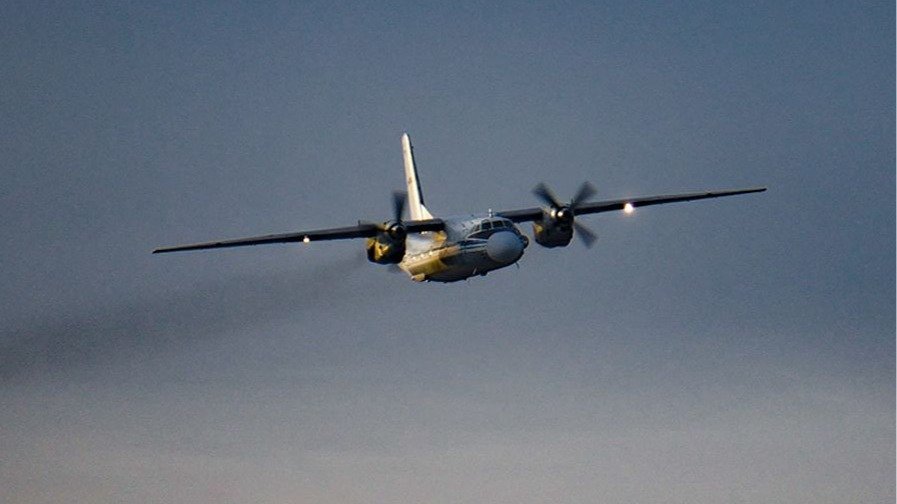
A Russian An-26 military transport aircraft crashed in Crimea during a routine/planned flight on the evening of March 31, with both government and opposition outlets agreeing that everyone on board died. Most reports from both sides say there were 29 people on the plane, usually described as six or seven crew members and 23 passengers, including personnel from the Northern Fleet, though one opposition report cites 30 fatalities. Both sides state that contact with the aircraft was lost around 18:00 (6 p.m.) Moscow time while it was flying over Crimea, and that the wreckage was later located with no survivors.
Both government and opposition coverage report that the Russian Defense Ministry sees no signs of external impact or hostile action, and that preliminary data point to a technical malfunction as the likely cause. They also concur that the aircraft apparently struck or crashed into a cliff in Crimea, that a criminal case has been opened to investigate potential violations of flight rules, and that the An-26 is a standard military transport aircraft capable of carrying several dozen soldiers. Both sides note that the investigation is formally focused on technical and procedural factors within the military aviation system, and that official conclusions have not yet been published.
Victim identities and symbolic weight. Government-aligned outlets largely keep the victims anonymous, referring generically to crew and passengers, with minimal emphasis on high-ranking individuals. Opposition outlets highlight that Northern Fleet servicemembers were aboard and prominently report that Lt. Gen. Alexander Otroschenko, a senior Northern Fleet aviation commander, may have been among the dead, framing the crash as part of a broader pattern of high-level military losses.
Territorial framing and war context. Government coverage describes the location simply as Crimea or Russian territory and does not connect the crash to the wider Russo-Ukrainian war narrative. Opposition outlets repeatedly call the area "Russian-occupied Crimea" and explicitly link the incident to the ongoing war, presenting the crash and the possible death of a general as another cost of Russia’s military campaign.
Numbers and transparency. Government sources consistently report 29 deaths and emphasize official briefings from the Defense Ministry, treating them as authoritative and final. Opposition outlets mostly echo the 29 figure but note at least one account citing 30 fatalities and dwell more on discrepancies and uncertainties, using them to question the completeness and reliability of official casualty information.
Emphasis on systemic causes. Government-aligned media focus on a narrow technical explanation—possible malfunction and violation of flight rules—framing the crash as an isolated aviation incident under standard investigative procedures. Opposition coverage, while also citing technical malfunction and flight-rule violations, places these within a broader pattern of aging equipment, operational strain, and command failures in the Russian military, implying systemic negligence rather than mere bad luck.
In summary, government coverage tends to frame the crash as a contained technical accident investigated through routine military and legal channels, while opposition coverage tends to fold the event into a larger critique of Russia’s war, military leadership, and structural problems in its armed forces.