government
South Africa faces fuel price hikes from April 1
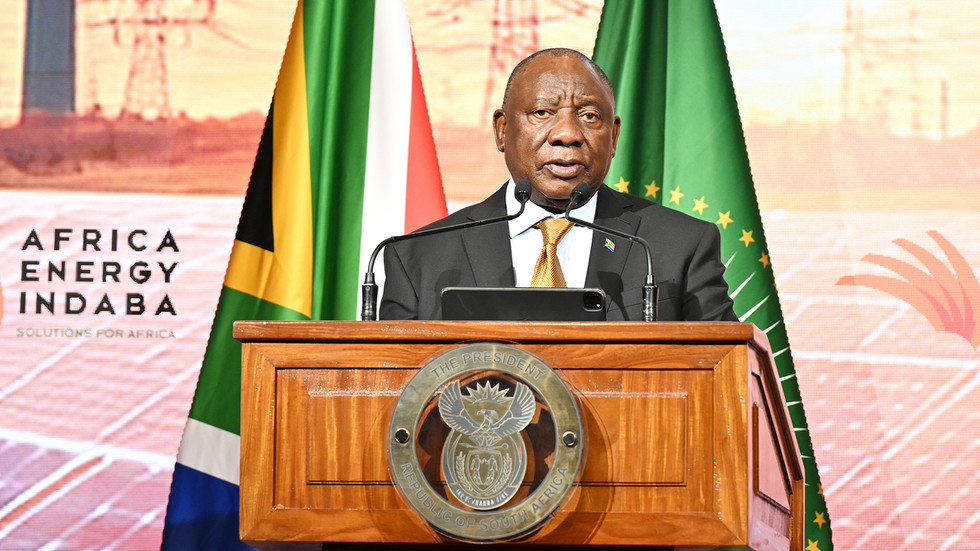
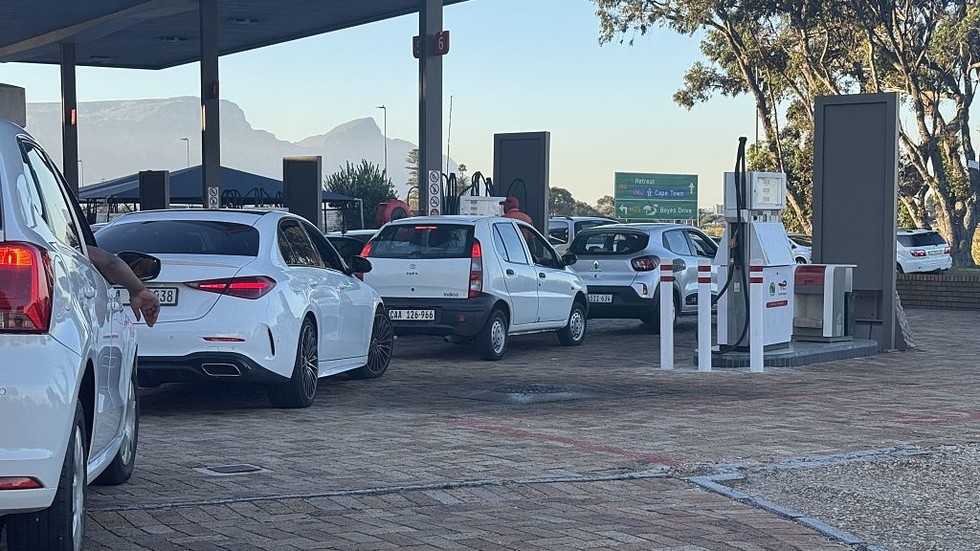
South Africa’s president has warned of petrol and diesel price hikes from April 1, citing the ongoing conflicts in the Middle East
21 days ago
South African media aligned with official communications report that the government has approved a temporary reduction of the general fuel levy by about R3 per litre for petrol and diesel, to run roughly from early April to early May. They agree that the measure is a response to steep fuel price hikes driven by a surge in global oil prices, compounded by a weaker rand and existing fuel taxes, with the Treasury estimating around R6 billion in foregone revenue during the relief period. Coverage notes that the cut is national in scope, applies at the pump for motorists and businesses, and was announced by President Cyril Ramaphosa as part of a broader package of urgent interventions to soften the impact of rising living costs on consumers.
Across outlets, there is shared recognition that South Africa is highly dependent on imported fuel and thus exposed to external shocks such as geopolitical conflicts that disrupt crude oil supply and push up benchmark prices. Both sides describe the fuel levy as a key fiscal instrument used to fund general government expenditure and some infrastructure, so any cut involves a trade‑off between consumer relief and revenue needs. Reports concur that the levy reduction is explicitly framed as temporary relief, not a structural tax reform, and that it interacts with other price‑setting components like international oil prices, currency movements, and regulated margins administered through national energy and finance institutions.
Policy intent and effectiveness. Government-aligned coverage emphasizes the levy cut as decisive, targeted relief that will substantially cushion households and transport-dependent sectors from record-high fuel prices, highlighting it as evidence that the state is responsive and pragmatic. Opposition-oriented commentary tends to portray the reduction as a short-term patch that only marginally offsets broader cost-of-living pressures, arguing that it does little to change the underlying upward trend in fuel and food prices or the structural weaknesses of the economy.
Responsibility and blame. Government coverage mainly attributes the fuel price surge to external factors such as global conflicts, supply disruptions, and the weaker rand, depicting the state as a victim of international volatility that is doing what it can at the margins. Opposition coverage more often stresses domestic policy failures, pointing to long-standing tax dependence on fuel, perceived mismanagement of state-owned entities, and an unstable investment climate as contributors that have left South Africa especially vulnerable to global price shocks.
Fiscal trade-offs and sustainability. Government-aligned sources frame the R6 billion revenue loss as a manageable, time-bound sacrifice that reflects a careful balance between fiscal discipline and social protection, often noting that the Treasury has contingency plans to absorb the hit. Opposition voices question the sustainability of such relief, warning that it could crowd out spending on essential services or lead to higher borrowing costs later, and arguing that if the state had managed public finances and economic growth better, it would not face such stark trade-offs.
Long-term reform narrative. Government reporting typically situates the levy cut within a broader agenda of ongoing reforms in energy, logistics, and economic policy, suggesting it buys time while structural changes are pursued. Opposition coverage is more skeptical, contending that similar temporary measures have been repeated without meaningful transformation of the fuel pricing regime, competition in the energy sector, or overall economic policy, and therefore characterizes the move as election-conscious relief rather than part of a credible long-term strategy.
In summary, government coverage tends to present the fuel levy cut as a necessary, well-calibrated intervention against largely external price shocks, while opposition coverage tends to depict it as a politically expedient stopgap that masks deeper, domestically driven policy and governance failures.