government
US military aircraft struck by Iran makes it to Kuwait
Iran also fired at two US UH-60 Black Hawk helicopters conducting a search and rescue operation
23 days ago
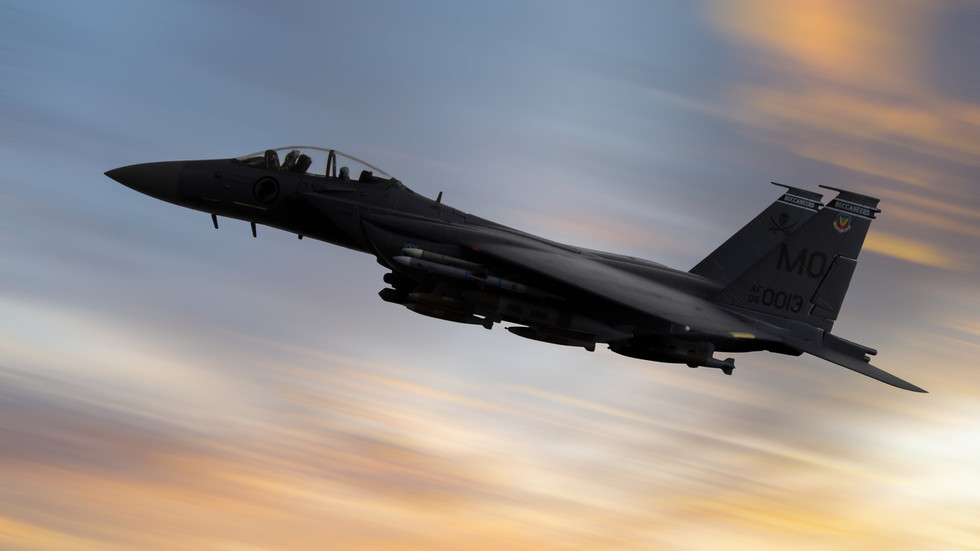
US and Iranian sources, as reflected in government-aligned coverage, broadly agree that a US Air Force fighter jet was brought down over Iranian territory during ongoing hostilities, that the jet involved was an F-15E Strike Eagle and not an F-35, and that at least one additional US aircraft was damaged while supporting associated operations. They concur that one F-15E crew member has been rescued while another remains missing, that an A-10 Thunderbolt II struck by Iranian fire managed to make it to Kuwaiti airspace before the pilot ejected safely, and that two UH-60 Black Hawk helicopters involved in search-and-rescue were fired upon with some personnel sustaining minor injuries. Both sides acknowledge that Iran claims responsibility for the shootdown and has publicly framed it as a military success.
Across government-aligned reporting and inferred opposition narratives, there is shared recognition that these incidents are part of a larger cycle of US–Iran confrontation, involving US strikes on Iranian targets and Iranian threats against US and Israeli-linked assets. Both perspectives situate the downing of the jet within a context of heightened regional tension, including drone attacks on oil and gas facilities in Kuwait and the UAE, and note that the events have triggered extensive US search-and-rescue operations using multiple aircraft types. There is also common acknowledgment that the episode has political implications for Washington and Tehran alike, touching on questions of deterrence, air-defense capabilities, and the credibility of prior public claims by US leaders about the state of Iran’s anti-aircraft systems.
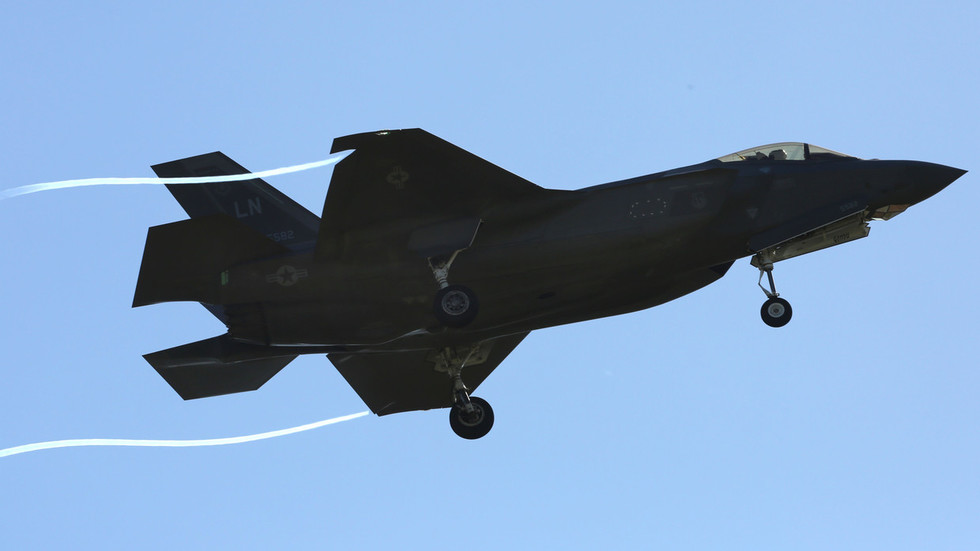
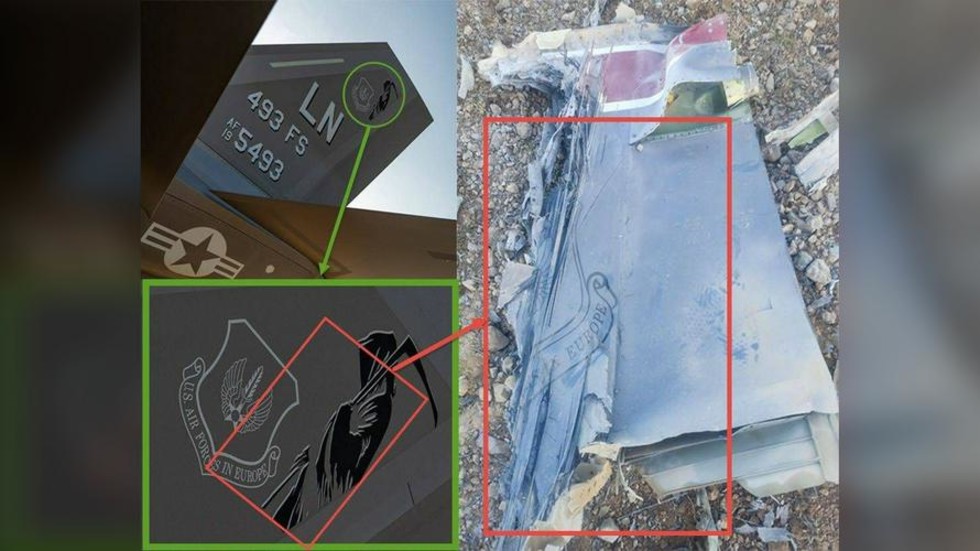
Type of aircraft and symbolism. Government-aligned coverage emphasizes that US officials confirm the downed jet was an F-15E Strike Eagle, stressing that Iranian claims about an F-35 are misinformation aimed at exaggerating the technological significance of the shootdown. Opposition sources, where they echo Iranian outlets, are more likely to highlight or leave uncorrected the F-35 narrative, using it to underscore US vulnerability and to dramatize the incident as a symbolic blow to US airpower. Government reports frame the misidentification as deliberate propaganda, while opposition narratives present it as either plausible or unimportant compared with the fact that a high-value US jet was destroyed at all.
Effectiveness of US operations. Government-aligned outlets focus on the partial success of search-and-rescue efforts, highlighting that one F-15E crew member was recovered and that the A-10 pilot and most helicopter personnel survived with only minor injuries, portraying US forces as resilient and operationally capable under fire. Opposition narratives tend to magnify Iranian assertions that US rescue attempts "failed," referencing claims of a captured pilot and stressing that multiple US aircraft came under effective Iranian fire, thus depicting US operations as poorly planned or overconfident. Where government coverage stresses professionalism and ongoing efforts, opposition voices underscore attrition, embarrassment, and operational setbacks.
Iranian capabilities and US credibility. Government-aligned reporting notes that the downing occurred despite earlier US presidential rhetoric suggesting Iran lacked meaningful anti-aircraft capability, framing this as either an overstatement or outdated characterization rather than a fundamental intelligence failure. Opposition outlets leverage this discrepancy more sharply, portraying it as evidence that US leaders misled the public or misjudged Iran’s defenses, and use Iran’s shootdown claim to argue that US strategic messaging about dominance in the region is hollow. Government perspectives tend to contextualize the incident within the risks of combat operations, while opposition sources portray it as a major credibility blow to Washington.
Escalation risks and political framing. Government-aligned coverage emphasizes US warnings of further strikes on Iranian infrastructure as measured deterrence and a necessary response to aggression, while casting Iran’s rewards for capturing US crew as escalatory and provocative. Opposition narratives, particularly those sympathetic to Tehran, invert this framing by presenting Iran’s actions as legitimate self-defense and depicting US threats against power plants and other infrastructure as disproportionate and destabilizing. Government sources stress alliance solidarity and the need to protect Gulf energy infrastructure, whereas opposition voices highlight the danger of broader regional war and the perceived hypocrisy of US outrage over retaliatory attacks on US- and Israeli-linked assets.
In summary, government coverage tends to stress factual corrections, operational resilience, and the legitimacy of US military responses, while opposition coverage tends to foreground US vulnerability, political miscalculation, and the narrative value of Iran’s claimed success.