government
Orban calls on EU to lift Russia sanctions to avert energy crisis
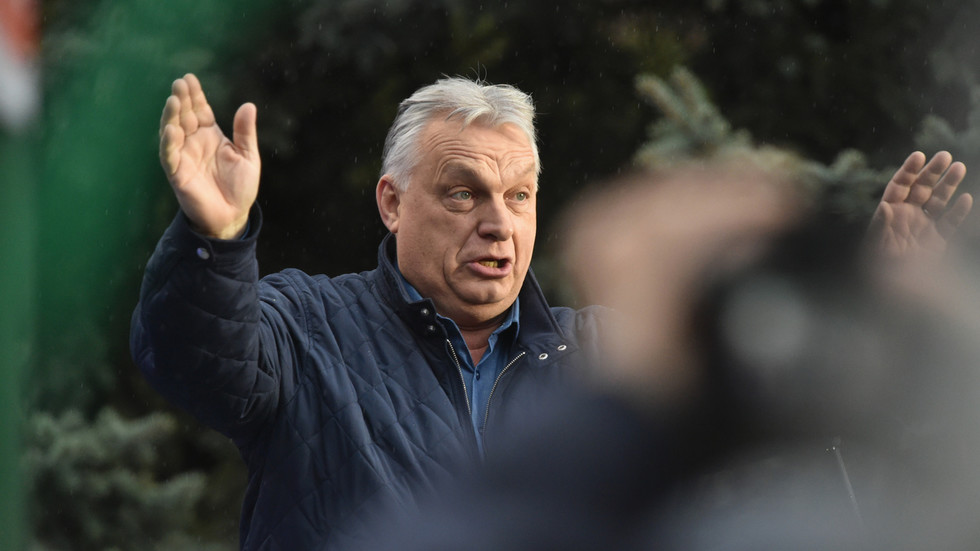
Hungarian Prime Minister Viktor Orban has called on the EU to return to Russian oil and gas supplies as energy prices soar due to the Iran war
17 days ago
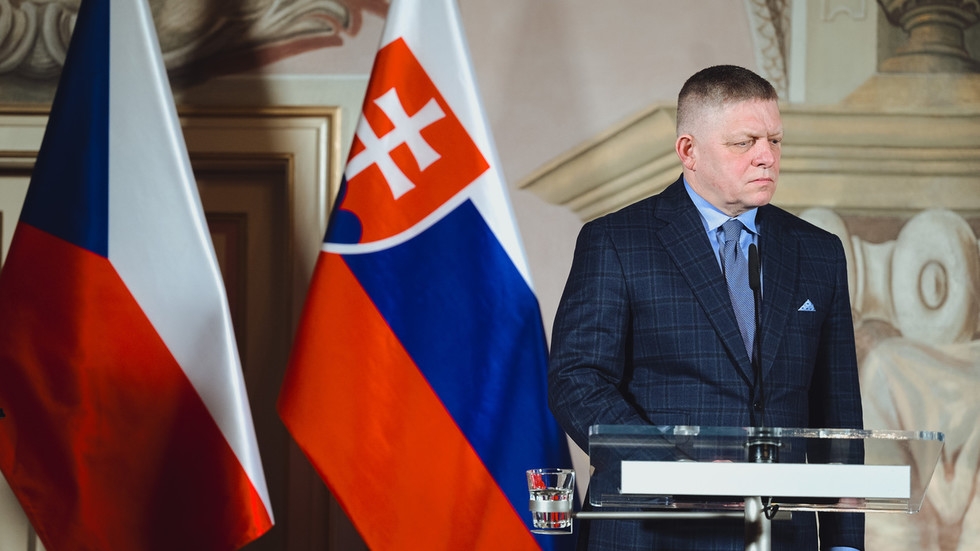
Hungarian Prime Minister Viktor Orban and Slovak Prime Minister Robert Fico have jointly urged the European Union to lift sanctions on Russian oil and gas, arguing that current restrictions are aggravating an energy and economic crisis in the bloc. Both leaders call for the resumption of Russian energy flows, particularly through the Druzhba oil pipeline, and frame their appeal as an urgent step to prevent shortages and rising energy prices across EU member states. Orban has demanded that Brussels immediately suspend energy-related sanctions and pressure Ukraine to reopen the Druzhba route, while Fico has similarly pushed for vigorous action to restore pipeline supplies and normalize energy trade with Russia.
In their shared context, both governments situate the issue within the broader institutional framework of EU decision-making and sanctions policy, emphasizing the role of the European Commission and Council in shaping energy rules since Russia’s invasion of Ukraine. They characterize current EU policy as driven by political and ideological considerations that, in their view, override pragmatic economic and energy-security needs. Both invoke the specter of a wider security and economic crisis in Europe, tying high energy prices and possible supply disruptions to social instability, industrial competitiveness, and intra-EU tensions. Their calls also fit a longer-running debate about how far EU sanctions should go, how dependent member states remain on Russian hydrocarbons, and what reforms to the EU’s energy and sanctions regimes might be necessary to balance geopolitical goals with domestic economic stability.
Assessment of sanctions’ impact. Government-aligned sources portray the EU’s energy sanctions as the primary driver of Europe’s current and looming energy crisis, arguing that restrictions on Russian oil and gas directly cause price spikes, shortages, and industrial harm. Opposition sources, where they weigh in, tend to frame the crisis as multifactorial, pointing also to Russia’s weaponization of energy, delayed diversification, and structural weaknesses in national energy sectors. While government outlets emphasize immediate relief through lifting sanctions, opposition outlets are more likely to stress long-term resilience, diversification, and the costs of renewed dependence on Russian supplies.
Framing of EU institutions. Government coverage depicts Brussels and the European Commission as ideologically driven and out of touch, using metaphors like a “suicide ship” to suggest self-destructive policies on energy security. Opposition sources, by contrast, more often describe EU institutions as imperfect but necessary coordinators of a collective response to Russian aggression, criticizing them for slow implementation or uneven burden-sharing rather than for the sanctions themselves. As a result, government narratives personalize blame toward specific EU leaders and bodies, whereas opposition coverage distributes responsibility across national governments, including Budapest and Bratislava.
Security versus economic priorities. Government-aligned media heavily prioritize immediate economic stability, arguing that protecting households and industry from high energy costs should take precedence over maintaining punitive measures against Russia. Opposition outlets tend to stress the security rationale for sanctions, contending that relaxing energy measures would embolden Moscow, undermine Ukraine, and ultimately increase long-term risks and costs for Europe. Thus, governments in Hungary and Slovakia are presented as defending national economic interests, while opposition sources frame support for sanctions as a necessary sacrifice to uphold European security and values.
Relations with Russia. Government coverage normalizes renewed energy cooperation with Russia as pragmatic and even portrays Russian interlocutors, such as Kremlin-linked envoys, as reasonable partners endorsing Orban’s stance. Opposition media, when addressing these contacts, are more inclined to highlight the geopolitical risks of deepening energy ties with Moscow during an ongoing war, warning of strategic vulnerability and political leverage. This leads government narratives to depict outreach to Russia as rational diplomacy, while opposition narratives suggest it risks isolating the country within the EU and aligning it with an aggressor state.
In summary, government coverage tends to cast EU energy sanctions as self-inflicted harm that must be reversed to protect national economies, while opposition coverage tends to view sanctions as a difficult but necessary tool to contain Russia and preserve Europe’s long-term security and political cohesion.