government
Trump threatens to punish NATO countries that don’t support Washington
The Financial Times added that the US president had lashed out at European capitals for blocking the use of military bases or closing their airspace
14 days ago
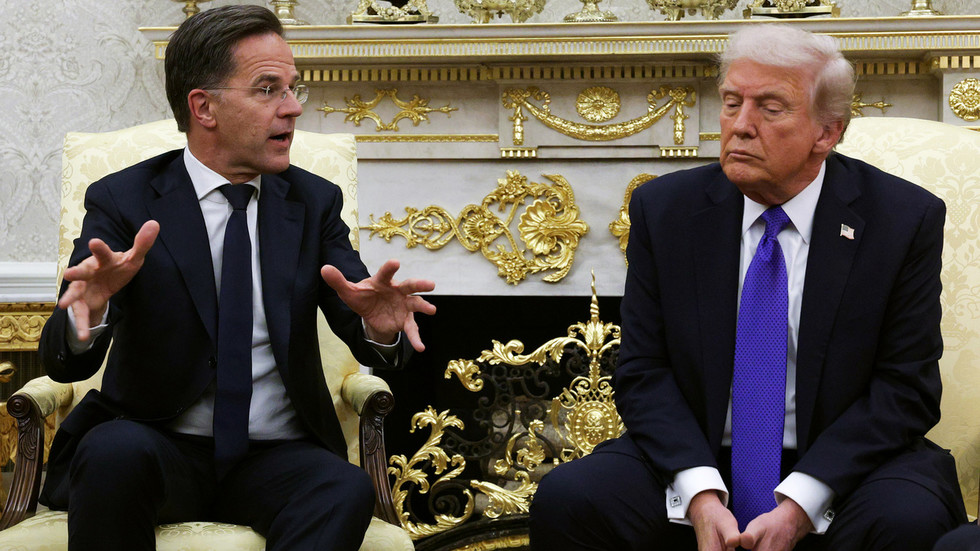
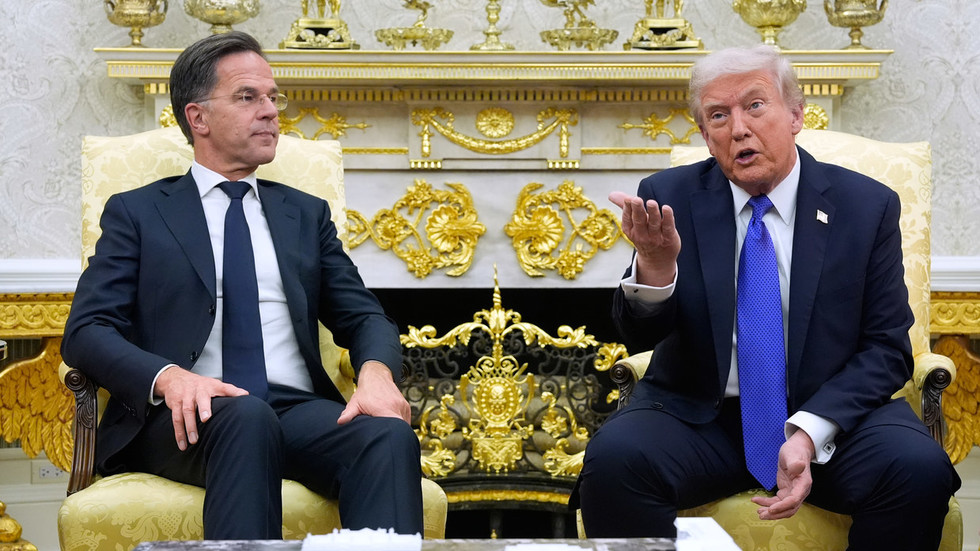
Mark Rutte, serving as NATO Secretary General, met with US President Donald Trump in Washington for what both sides described as a frank and tense exchange over NATO members’ roles in the ongoing conflict with Iran and related security in the Strait of Hormuz. Government-aligned accounts agree that Trump voiced strong disappointment with several European NATO allies for not offering military bases or direct participation in US-led operations against Iran, and that he went so far as to threaten punitive measures and to question the value of NATO, including hinting at a possible US withdrawal. These reports also concur that Rutte publicly acknowledged US frustrations afterward, while stressing that many European states have provided basing, logistical support, and overflight rights that, in his view, fulfill their formal commitments to the alliance.
Across these reports, there is shared context that the dispute is rooted in long-standing US pressure on European members to assume more defense burdens, particularly in the Middle East and around strategic chokepoints like the Strait of Hormuz. Government-aligned coverage presents NATO as an institution under strain, with the Iran war amplifying existing tensions over burden-sharing, legal constraints, and domestic politics in European capitals that limit their willingness to join US combat operations. The stories also emphasize that, despite Trump’s harsh rhetoric and accusations of cowardice toward some allies, both the US and key European powers such as Germany and France are still exploring ways to support maritime security around Iran under certain conditions, suggesting that negotiations within NATO and between Washington and European capitals remain ongoing.
Tone and characterization of the meeting. Government-aligned coverage depicts the Trump–Rutte talks as tense but ultimately constructive, highlighting Rutte’s description of a frank, open conversation between partners and downplaying the notion of a full-blown rupture. In the absence of explicit opposition sources, a critical-opposition framing can be inferred as one that would likely portray the meeting as chaotic and diplomatically damaging, emphasizing reports that the talks "went sh*t" and that Trump’s anger overshadowed any substantive progress. Government narratives stress continuity of dialogue and mutual understanding, whereas opposition narratives would likely stress dysfunction and the erosion of traditional alliance decorum.
Burden-sharing and commitments. Government-aligned reports underscore that many European allies are already providing basing, logistics, and overflights, suggesting they are broadly meeting NATO and bilateral expectations even if they decline direct combat roles in Iran. An opposition framing would tend to emphasize Trump’s accusations that allies are freeloading and cowardly, arguing that his own rhetoric exaggerates the shortfalls and risks alienating partners who operate under domestic legal and political constraints. Government sources lean on institutional metrics of contribution and Rutte’s reassurance, while opposition voices would likely focus on perceived US unilateralism and the mismatch between Washington’s demands and European public opinion.
Implications for NATO’s future. Government-aligned coverage treats Trump’s suggestion that the US might withdraw from NATO as a warning meant to jolt allies into greater support, not as an imminent policy move, and balances it with Rutte’s insistence that NATO remains vital and largely united. A more opposition-oriented reading would emphasize the gravity of a US president repeatedly questioning the alliance, warning that such talk undermines deterrence, emboldens adversaries, and could normalize the idea of US disengagement. Government narratives therefore frame the episode as a manageable intra-alliance dispute over tactics, whereas opposition narratives would frame it as a structural threat to the transatlantic security architecture.
Conduct of the Iran war and regional strategy. Government-aligned reporting tends to accept the premise that securing the Strait of Hormuz and pressuring Iran are shared Western interests, focusing criticism on European reluctance to join US-led operations rather than on the underlying strategy itself. An opposition viewpoint would likely question the wisdom and legality of the broader Iran war, arguing that European hesitation reflects legitimate concern over escalation, international law, and the fallout from prior Middle East interventions. In this sense, government narratives implicitly validate Trump’s strategic objectives while criticizing allied timidity, whereas opposition narratives would be more inclined to see European restraint as prudent and Trump’s demands as destabilizing.
In summary, government coverage tends to frame the clash as a tough but ultimately manageable dispute within a still-functional alliance, emphasizing European contributions and Rutte’s mediating role, while opposition coverage tends to stress the chaos, strategic risks, and potential long-term damage to NATO and Western cohesion from Trump’s confrontational approach.