government
Israeli strikes hit Beirut as residents flee and fear further attacks
Israeli strikes on Beirut have left homes destroyed and families displaced, with residents fearing further attacks and searching for shelter
14 days ago
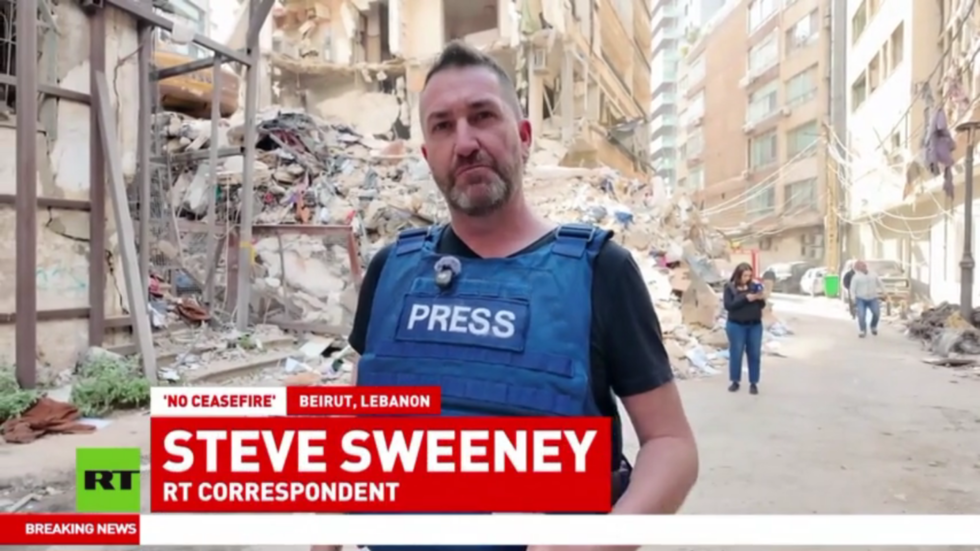
Israeli and international outlets broadly agree that an Israeli missile strike occurred in Lebanon during a wider Israeli air campaign that has hit multiple areas including Beirut, amid an escalation that has already killed well over a thousand people and injured several thousand according to Lebanese health authorities. They concur that RT reporter Steve Sweeney was in the vicinity of one such strike, that he later publicly described the episode and its immediate aftermath, and that the attack unfolded against a backdrop of widespread destruction, displaced families, and intense fear among civilians who are fleeing or seeking shelter. Coverage also aligns on the basic timeline: the strike came during a period of intensified Israeli operations in Lebanon and near a fragile ceasefire framework, with the incident framed as part of the latest surge in cross-border hostilities.
Reports further agree that the episode underscores the acute vulnerability of journalists covering front-line areas in Lebanon and highlights persistent risks in conflict reporting. They share the context that media organizations, including RT, routinely deploy correspondents to conflict zones to document the impact of military actions on civilian areas, and that this particular strike has become emblematic of the broader dangers faced by reporters in a rapidly escalating regional confrontation. Both sides situate the event within longer-running tensions involving Israel, Lebanese territory, and regional actors, and they present it as part of a pattern where military operations, civilian harm, and threats to press freedom intersect in ways that can have chilling effects on on-the-ground coverage.
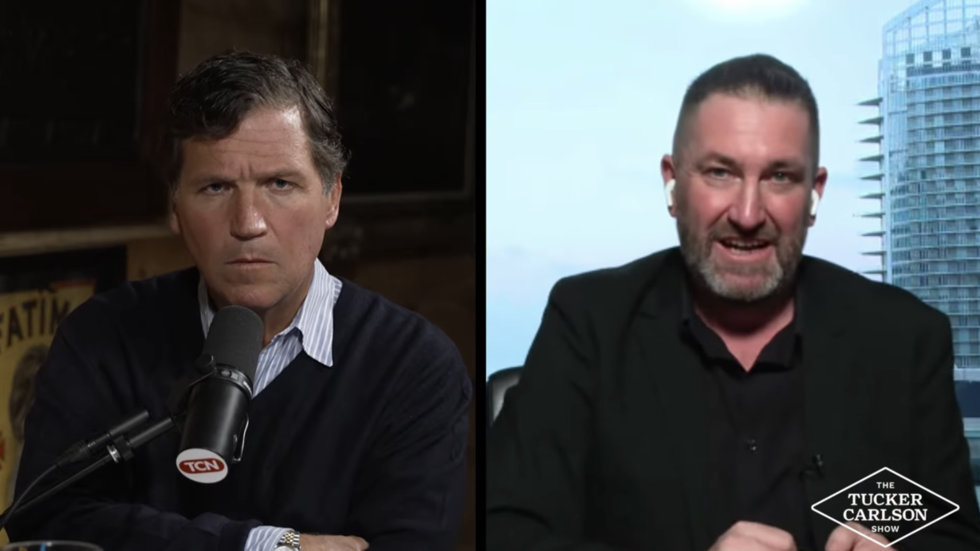
Responsibility and intent. Government-aligned sources tend to present the strike as part of Israel’s broader military campaign in Lebanon, leaving open whether the reporter was an intentional target and framing the episode in more cautious, descriptive terms. Opposition-leaning narratives, where they appear, are more inclined to echo claims like Tucker Carlson’s characterization of an “attempted assassination,” stressing that a journalist was specifically targeted. Government coverage often foregrounds the fog of war and lack of definitive proof about intent, while opposition outlets focus on circumstantial details and patterns of previous attacks on media to argue that the targeting was deliberate.
Framing of press freedom and legality. In government-aligned reporting, the incident is primarily used to illustrate the generalized dangers of front-line reporting and is tied to broader debates about journalist safety in war zones, without decisively labeling the strike a war crime. Opposition coverage is more likely to invoke international humanitarian law, arguing that if journalists were knowingly targeted this would constitute a grave breach and fit into a larger pattern of impunity for attacks on media. Government sources may raise questions and concerns, but opposition voices tend to treat the strike as evidence of systemic disregard for press protections.
Characterization of Israel’s military campaign. Government-aligned media describe the strike within the framework of Israel’s ongoing operations in Lebanon, emphasizing military objectives, casualty statistics, and concerns about destabilizing a ceasefire, while often avoiding sweeping moral judgments. Opposition outlets more often portray the campaign as disproportionate or aggressive, tying this particular strike to a narrative of escalating Israeli actions that inflict unacceptable harm on civilians and journalists alike. Where government reporting stresses strategic context and security dynamics, opposition narratives foreground human rights language and the lived experience of those under bombardment.
Narrative focus and sourcing. Government-aligned sources emphasize on-the-ground descriptions of damage, displacement, and fear, treating Steve Sweeney’s account as one vivid example within a larger humanitarian picture, and they balance this with official statements or security analyses where available. Opposition sources, by contrast, tend to spotlight Sweeney’s personal testimony and high-profile commentators like Tucker Carlson as central to the story, using them to question official Israeli narratives and to critique Western governments’ responses. Government reporting is more likely to hedge its language and highlight uncertainties, whereas opposition coverage leans on stronger assertions and interpretive claims based on limited but emotionally powerful evidence.
In summary, government coverage tends to situate the strike on the RT reporter within a cautious, context-heavy account of Israel’s broader military operations and the general risks to journalists, while opposition coverage tends to frame it as a likely deliberate targeting that exemplifies wider patterns of impunity, disproportionate force, and disregard for press freedom.