government
US and EU waging a ‘proxy war’ in Hungary
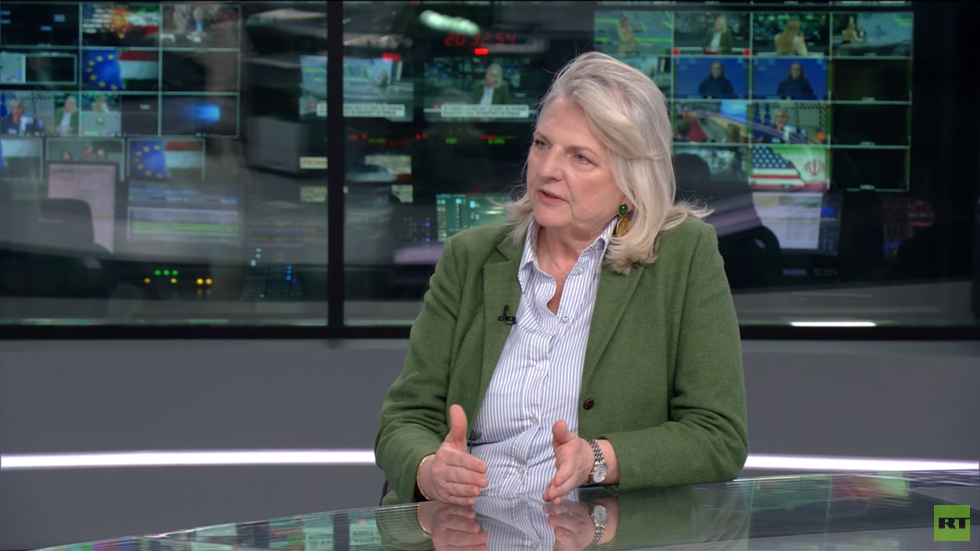
The US and the EU are waging a political “proxy war” in Hungary ahead of parliamentary elections on Sunday, ex-Austrian FM Karin Kneissl has said
16 days ago
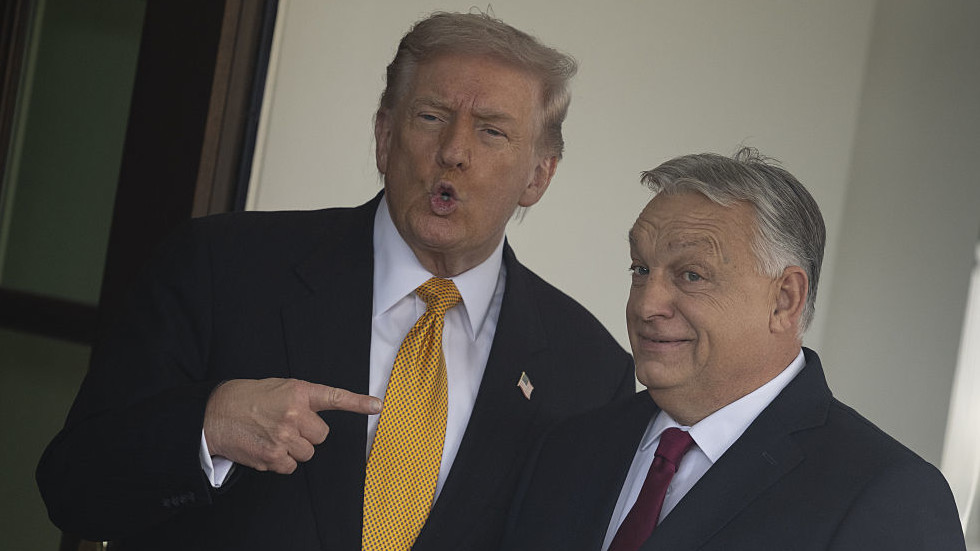
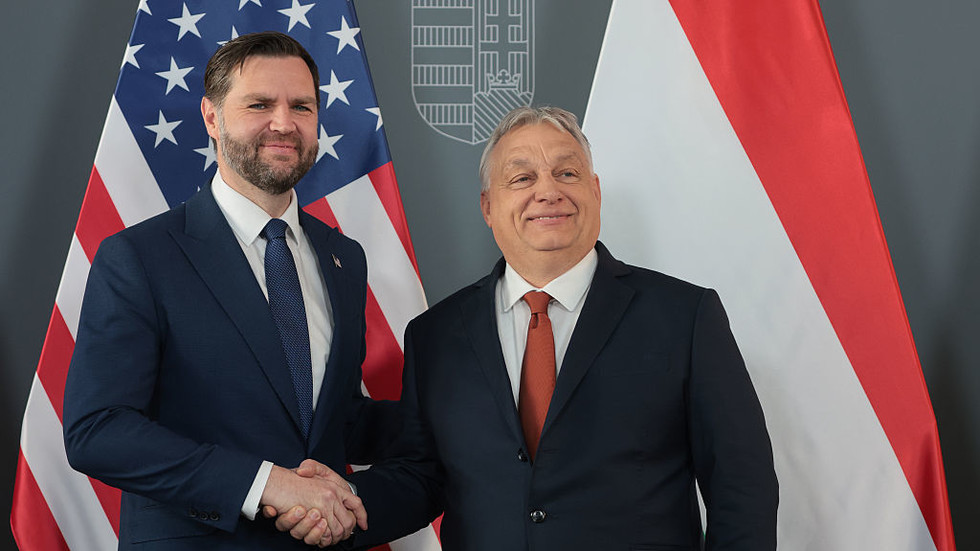
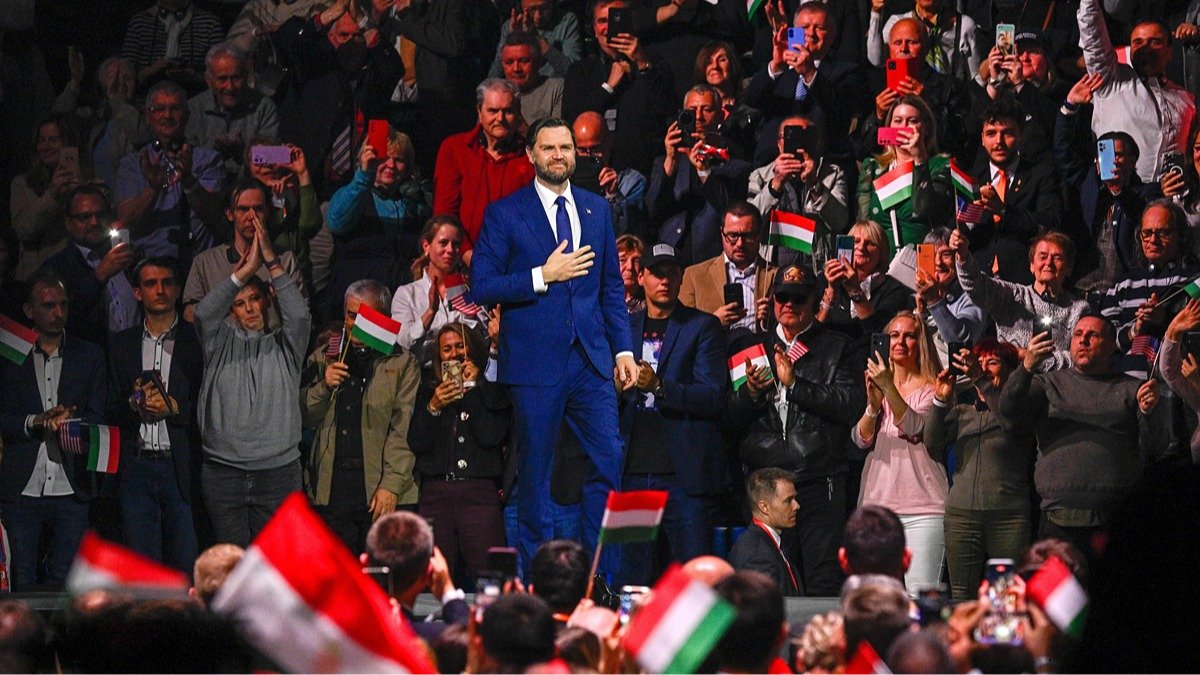
Former US President Donald Trump and US Vice President J.D. Vance have both publicly endorsed Hungarian Prime Minister Viktor Orbán ahead of a closely fought parliamentary election in Hungary, which pits Orbán’s Fidesz party against challenger Péter Magyar and his Tisza Party. Trump praised Orbán’s leadership and called for his re-election, while Vance traveled to Budapest, appeared at a rally, held a joint event that included a call with Trump, and lauded Orbán as a “true statesman” and a leader on energy security. Across both government-aligned and opposition outlets, coverage concurs that the election is tight, that EU institutions and leading EU member states such as Germany are critical of Orbán and suspicious of Vance’s intervention, and that some European officials and analysts see the US endorsements as unusual departures from normal diplomatic practice. Both sides also agree that the Hungarian government has formally accused Facebook/Meta of algorithmic bias favoring Magyar’s content and that Meta has publicly denied restricting Orbán’s accounts.
Government and opposition sources alike present the election as heavily internationalized, with the US and EU seen as key external actors whose positions and funding could significantly affect Hungary’s political and economic trajectory. There is shared recognition that Orbán has long been at odds with Brussels over rule-of-law disputes, sanctions on Russia, and support for Ukraine, and that these conflicts form the backdrop for today’s accusations of interference and “proxy war.” Both sides acknowledge that the EU has withheld or conditioned some funds to Hungary and that Orbán has in turn obstructed or slowed certain EU policies, including Ukraine’s closer integration with Western institutions. Coverage on both sides situates the current US endorsements within a broader pattern of transatlantic tension over democratic standards, media pluralism, and the conduct of elections in Hungary.
Nature of the US role. Government-aligned sources depict Trump’s and Vance’s endorsements as legitimate solidarity between like-minded, sovereign governments, framing Vance’s visit as a defense of Hungarian democracy against outside pressure. Opposition outlets instead characterize Vance’s trip and Trump’s involvement as a breach of diplomatic norms, stressing that such overt partisanship by top US figures is unusual and could even backfire electorally for Orbán. While pro-government media highlight the prestige and strategic backing these endorsements provide, opposition reporting emphasizes international criticism and portrays the US intervention as destabilizing rather than supportive.
Characterization of EU involvement. Government sources cast the EU, and particularly “Brussels bureaucrats,” as aggressive meddlers effectively running a proxy campaign on behalf of Péter Magyar and the Tisza Party, accusing them of favoring the opposition and leveraging financial tools to coerce Hungary. Opposition outlets, by contrast, present EU actions as institutional responses to rule-of-law and governance concerns, downplaying any notion of a coordinated anti-Orbán campaign. In pro-government narratives, the election is a battlefield where Washington and Brussels back opposing camps, whereas opposition coverage stresses legal mechanisms, diplomatic criticism, and conditionality rather than election-rigging.
Facebook and digital interference. Government-aligned coverage foregrounds allegations that Facebook’s algorithm “basically working against the government parties” is evidence of Big Tech interference, citing think tank data on higher engagement for Magyar’s posts and suggesting a tilted online playing field. Opposition-oriented reporting either omits these claims or treats them skeptically, instead giving weight to Meta’s denial that Orbán’s accounts are restricted and implying that higher engagement reflects genuine public interest. For pro-government media, platform bias is a core part of the interference narrative, while opposition outlets resist framing social media dynamics as orchestrated manipulation.
Impact on Orbán’s prospects. Government sources tend to argue or imply that endorsements from Trump and Vance strengthen Orbán’s international standing, reassure voters about Hungary’s alliances, and help counter EU pressure, even as they acknowledge that Fidesz is trailing in some polls. Opposition coverage stresses that Vance’s combative rhetoric toward Brussels and overt partisanship may damage Orbán among undecided voters and deepen Hungary’s isolation within the EU, citing European criticism and analysts who see the visit as a miscalculation. Where government media read the foreign backing as a strategic asset in a high-stakes contest, opposition outlets frame it as a risky move that could further polarize the electorate.
In summary, government coverage tends to frame US endorsements as principled support for a sovereign ally resisting EU overreach and broader establishment interference, while opposition coverage tends to portray them as norm-breaking, potentially counterproductive interventions that underscore Hungary’s growing estrangement from its European partners.