government
Angola floods shut Lobito Corridor railway
Flooding in Angola has halted the Lobito Corridor railway, a key route for copper and cobalt exports from central Africa
5 days ago
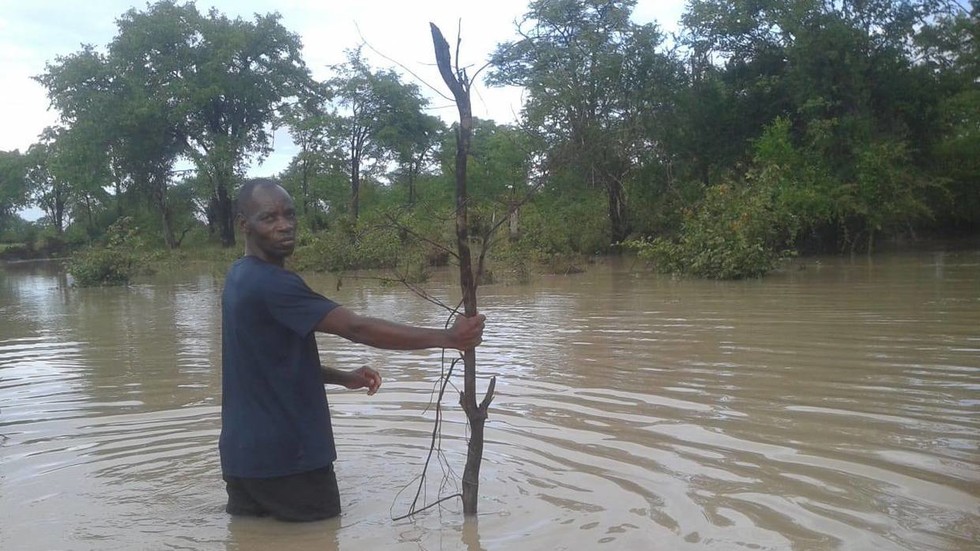
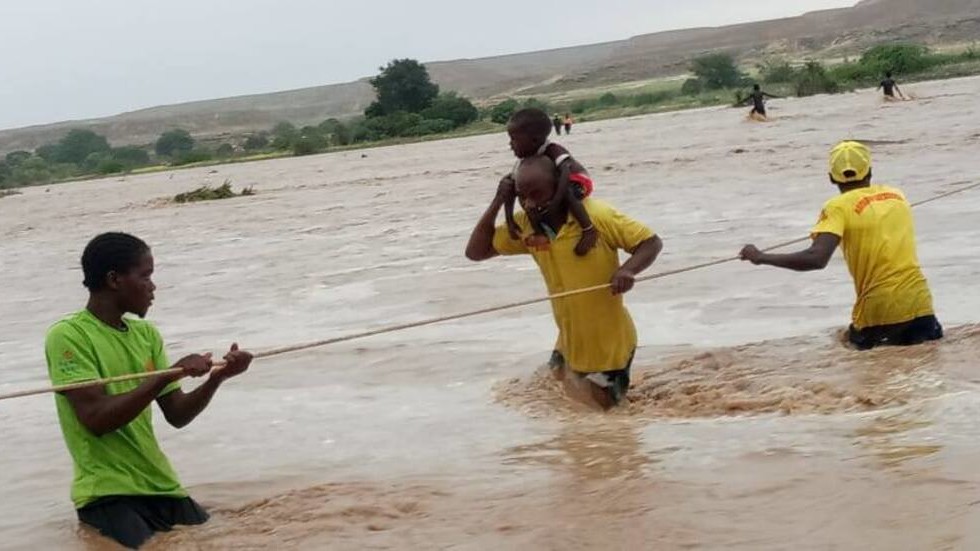
Severe flooding in Angola following days of torrential rain has killed dozens of people and caused extensive damage to homes, transport links, and other infrastructure across several provinces. Government-aligned reports converge on a rising death toll of around 40–45 people, with casualties concentrated in Benguela province, including the Lobito area, and in the capital Luanda, while also noting impacts in other regions. The floods have forced the indefinite suspension of rail traffic along the Lobito Railway Corridor after bridges over the Halo and Cavaco rivers were submerged or damaged, disrupting a key export route used to move minerals from central Africa to the Atlantic port of Lobito. Authorities and state-linked outlets describe thousands of people affected, dozens of homes destroyed or severely damaged, and emergency and civil protection services mobilized to assist victims and assess infrastructure damage.
Government-facing coverage also agrees on situating the floods within a broader pattern of extreme weather events in southern Africa, noting similar storms and flooding in South Africa, Zimbabwe, and Mozambique over the same period. These outlets frame the Lobito Corridor as a strategic logistics and economic artery for Angola and its landlocked neighbors, emphasizing its importance for regional trade and mineral exports. They highlight existing institutional mechanisms such as national civil protection services, provincial emergency committees, and ongoing infrastructure programs that are now being stress-tested by the floods. Across this reporting, there is shared acknowledgment that climate variability, aging or vulnerable infrastructure, and rapid urbanization in flood-prone zones combine to magnify the human and economic toll of such storms, and that the current disaster has implications both for humanitarian response and for longer-term infrastructure resilience.
Responsibility and preparedness. Government-aligned sources tend to stress the exceptional intensity of the rains and portray the flooding primarily as a natural disaster, emphasizing how even well-prepared systems can be overwhelmed by such events. In contrast, opposition sources typically argue that chronic underinvestment in drainage, river defenses, and urban planning turned a predictable rainy-season risk into a lethal catastrophe. Government coverage highlights the activation of civil protection services and emergency plans as evidence of preparedness, while opposition outlets frame the same actions as belated, reactive, and insufficient.
Infrastructure and the Lobito Corridor. Government media frame the suspension of the Lobito Railway Corridor as a necessary safety measure and a temporary disruption to a flagship regional integration project, underscoring ongoing or planned rehabilitation works. Opposition sources, by contrast, depict the damage to bridges over the Halo and Cavaco rivers as proof that key infrastructure is fragile and poorly maintained, questioning whether routine inspections and reinforcement were conducted. While state-aligned outlets focus on technical assessments and pledges to restore service quickly, opposition coverage foregrounds the economic losses for communities and neighboring countries and blames mismanagement for magnifying those losses.
Humanitarian response and victim support. Government outlets emphasize the deployment of rescue teams, provision of temporary shelters, and distribution of basic supplies to affected families, often highlighting visits or directives from senior officials as signs of active engagement. Opposition media generally acknowledge these efforts but criticize them as uneven, slow to reach poorer neighborhoods and informal settlements, and overly focused on symbolic appearances rather than sustained support. Where government-aligned reporting underscores coordination among ministries and provincial authorities, opposition narratives highlight gaps in aid delivery, alleged lack of transparency, and the precarious situation of displaced families.
Long-term accountability and reform. Government-leaning coverage tends to frame the disaster as a call to accelerate existing infrastructure and climate-resilience plans, stressing continuity of policy and the need for international cooperation and financing. Opposition sources instead use the floods to argue for political accountability, demanding audits of past spending on drainage and housing, and sometimes linking the tragedy to broader critiques of governance and corruption. While state-aligned outlets talk about technical improvements and modernization, opposition reporting emphasizes systemic political change as a prerequisite for preventing similar catastrophes.
In summary, government coverage tends to characterize the floods as an extreme natural event testing national infrastructure and to foreground official emergency actions and planned technical upgrades, while opposition coverage tends to treat the disaster as evidence of governance failures, systemic neglect, and the need for deeper political and institutional accountability.