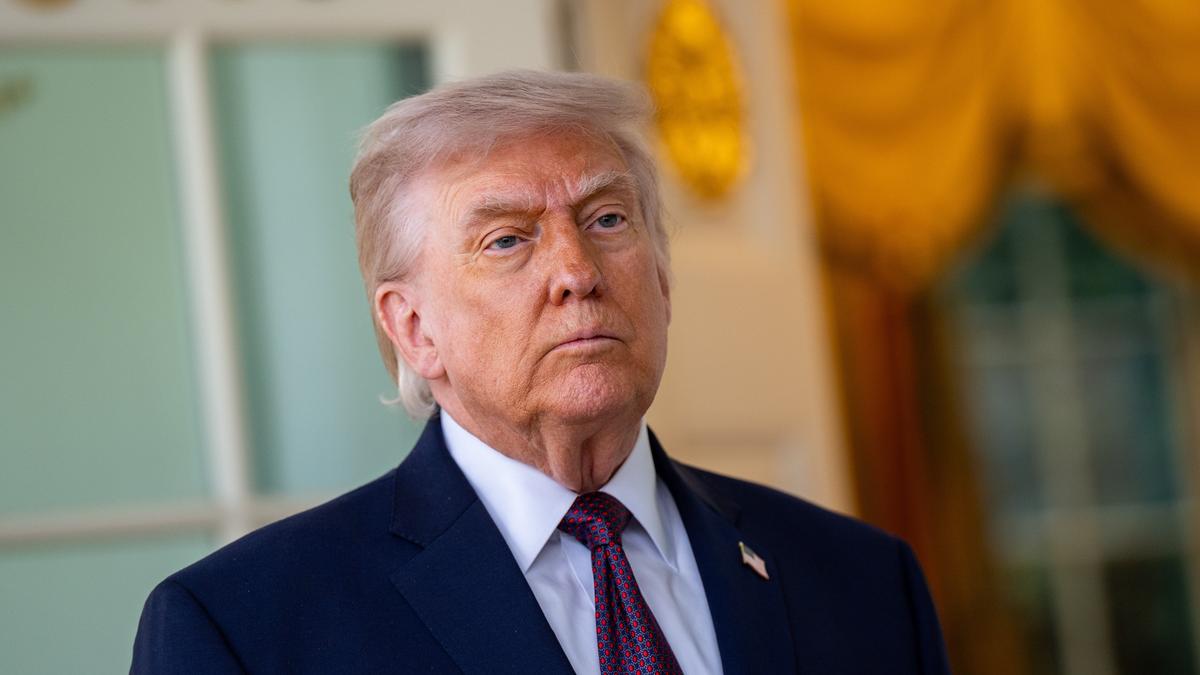
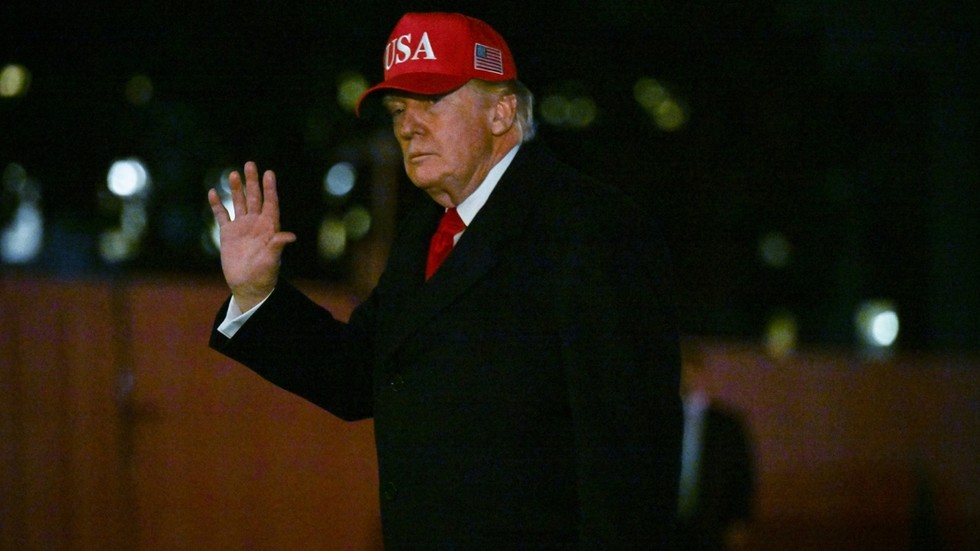
President Donald Trump has publicly stated that the US war with Iran is “very close to being over,” with both government-aligned and opposition outlets agreeing that a new round of peace talks is expected within days, likely to take place in Pakistan after an earlier round failed to produce a consensus. Both sides report that Trump has coupled this optimistic assessment with continued threats of further strikes, while simultaneously expressing a preference for reaching a deal that would enable Iran to rebuild. They also concur that Trump has claimed “radicals” on the Iranian side have been eliminated, and that the current phase follows at least one prior diplomatic meeting that did not resolve the conflict.
Across both sets of coverage, there is shared context that the situation is framed as an ongoing but potentially winding-down conflict between the United States and Iran, with a ceasefire in place and diplomacy positioned as the main next step. Government and opposition sources alike note that any prospective agreement is linked to the broader goal of reconstruction in Iran and the transition from active hostilities to political negotiations. Both acknowledge that external powers, including Russia and China, have supported continued diplomatic contacts, and that the outcome of the upcoming talks will be central to determining whether the conflict truly ends or re-escalates.
Areas of disagreement
Nature and certainty of the “end.” Government-aligned coverage presents Trump’s claim that the war is “very close to being over” as a credible sign of de-escalation and emphasizes the potential imminence of a second round of peace talks. Opposition coverage, while repeating the same quote, stresses that Trump does not plan to extend the ceasefire, casting doubt on how close a real ending actually is. Government outlets highlight the prospect of a political settlement, whereas opposition outlets underline the fragility of the situation and the risk that hostilities could resume if talks falter.
Characterization of US leverage and military posture. Government sources frame Trump’s threats of further strikes as part of a calibrated pressure strategy designed to push Iran toward a deal, presenting the US as holding strong leverage while still preferring diplomacy. Opposition sources emphasize these threats as evidence of ongoing militarism and instability, arguing that the refusal to extend the ceasefire undermines claims that the war is nearly over. The former narrative suggests that force has already achieved key objectives, while the latter suggests it keeps the conflict open-ended.
Portrayal of Iran and “radicals.” Government-friendly reporting tends to accept or neutrally relay Trump’s assertion that “radicals have been eliminated,” implying that remaining Iranian actors are more pragmatic and thus conducive to a deal and reconstruction. Opposition coverage is more skeptical of this framing, treating it as political spin that oversimplifies Iran’s internal dynamics and potentially masks the human costs of the conflict. Government outlets lean toward seeing this as a security success that enables peace, while opposition outlets see it as a rhetorical device that justifies past violence without guaranteeing future stability.
Role of international actors and diplomacy. Government-aligned outlets highlight Russia and China’s support for continued diplomatic contacts as validating the US-led process and as evidence of broad international backing for a negotiated solution. Opposition sources, while noting these same actors, focus more on how earlier talks failed to reach consensus and question whether the new round in Pakistan will be any more effective. For the government side, external support appears as a sign that diplomacy is on track, whereas for the opposition side, it underscores that multiple powers are involved in a still-unsettled and complex conflict.
In summary, government coverage tends to treat Trump’s statement as a credible indicator that a US–Iran war is winding down under strong US leverage and with growing diplomatic momentum, while opposition coverage tends to question how close an end really is, stressing the non-extension of the ceasefire, the risks of renewed strikes, and the possibility that the optimistic rhetoric masks an unresolved and fragile conflict.