government
Iran opens Strait of Hormuz to merchant ships as truce in Lebanon announced
Foreign Minister Abbas Araghchi said that the passage of ships through the strait will be carried out according to the route agreed with Iran
2 days ago
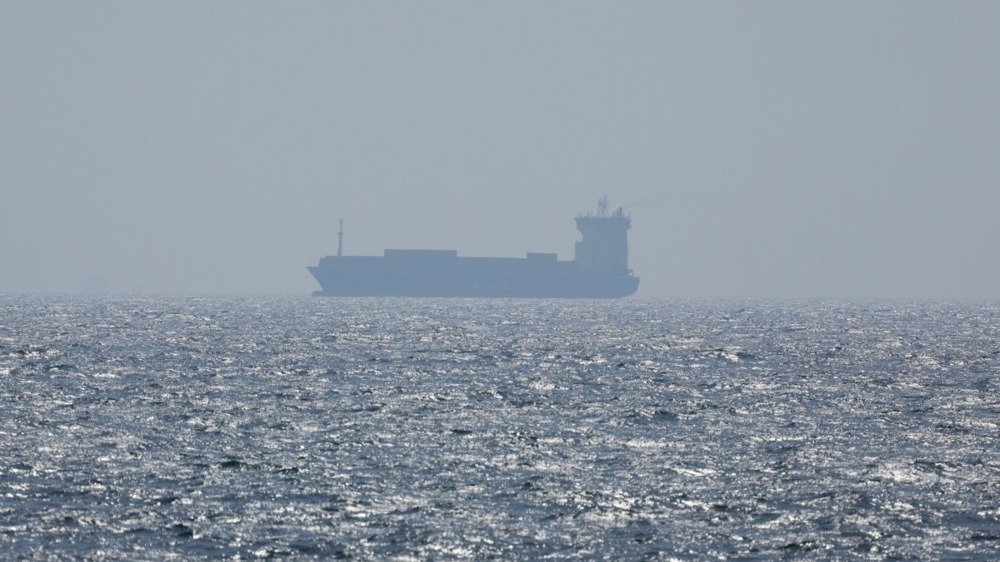
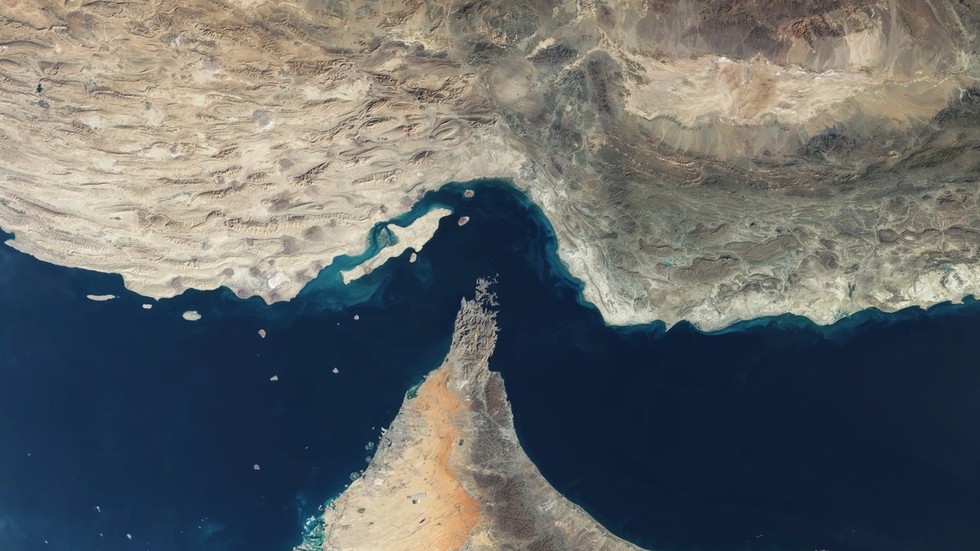
Iranian Foreign Minister Abbas Araghchi has announced that the Strait of Hormuz is fully open to all commercial vessels for the duration of a ceasefire linked to the conflict in Lebanon. Both government and opposition sources agree that this reopening coincides with a ten-day truce between Lebanon and Israel, that passages will follow previously agreed routes with Iran, and that the move has already affected global energy markets by driving down oil prices from earlier elevated levels. They concur that the strait had been effectively closed to traffic following prior military escalation in the region and that the United States continues to impose restrictions on Iranian vessels even as commercial shipping is allowed through.
Across outlets, coverage situates the announcement within the broader context of regional conflict dynamics, especially the confrontation involving Israel, Hezbollah, and their backers, and the diplomatic efforts culminating in a Lebanon ceasefire. Both sides reference the role of international actors, particularly the United States under President Donald Trump, in brokering or influencing the truce and in shaping navigation and security arrangements in the Strait of Hormuz. They also agree that the reopening is tied to global economic concerns, notably energy security and the stability of oil markets, and that freedom of navigation in this chokepoint remains a central concern for many states.
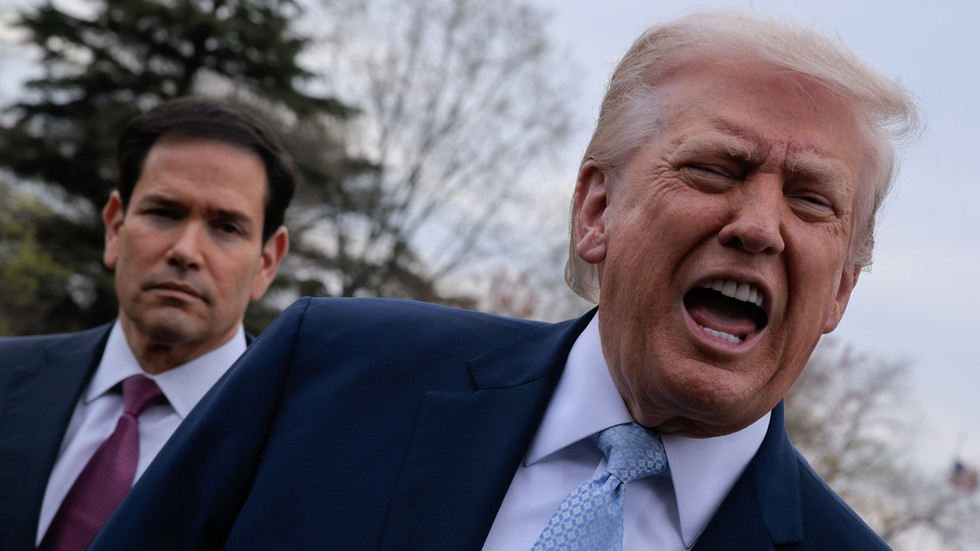
Motives and credit. Government-aligned coverage emphasizes Iran’s decision as a sovereign, stabilizing gesture that helps secure global trade and credits both Tehran and President Trump’s diplomacy for easing tensions and lowering oil prices. Opposition sources, while acknowledging the reopening, frame it more as a reactive step conditioned by the Lebanon ceasefire and highlight Israeli reluctance to halt operations, implicitly downplaying Tehran’s and Washington’s claims to strategic magnanimity or decisive leadership.
Security framing and external actors. Government sources stress that Iran is responsibly managing the waterway and portray Trump as confidently rejecting NATO involvement while still ensuring safe commercial passage, casting France and the UK’s separate mission as parallel but secondary. Opposition coverage, by contrast, places far less emphasis on NATO or Western military posturing and instead underscores the fragility of the truce and prior Israeli actions, implying that security risks stem more from regional militarism than from any need for Iran to demonstrate restraint.
Responsibility for prior closure and escalation. Government-aligned outlets attribute the initial disruption of traffic to a joint US-Israeli attack that had closed the strait since late February, folding this into a narrative of Iran responding to external aggression yet ultimately choosing de-escalation by reopening the route. Opposition sources do not dwell on a specific closing incident or on US-Israeli responsibility in the same way, focusing instead on Israeli refusal to halt operations in Lebanon as the main obstacle to the ceasefire and treating the reopening as one element in a broader, ongoing confrontation rather than a discrete reversal of an earlier Iranian posture.
Economic implications and leverage. Government narratives link the fall in oil prices directly to Iran’s declaration and present the reopening as evidence that Tehran holds—and is now choosing not to exploit—significant leverage over global markets, even as the US maintains a blockade on Iranian vessels. Opposition reporting mentions the impact on Brent crude but is more cautious about assigning Iran deliberate market-management intentions, situating the price drop within a complex mix of ceasefire news, prior delays caused by Israeli actions, and general uncertainty about how long the current opening and truce will last.
In summary, government coverage tends to cast Iran’s reopening of the Strait of Hormuz as a sovereign, stabilizing choice that validates its regional responsibility and highlights Trump’s diplomatic influence, while opposition coverage tends to treat the move as a conditional, tactical response within a fragile ceasefire, emphasizing Israeli obstruction and broader regional volatility over any single actor’s benevolence or control.