government
US Delays Arms Supplies to EU Amid Operation in Iran
According to sources cited by the news agency, several EU countries, including Baltic and Scandinavian states, were affected
5 days ago
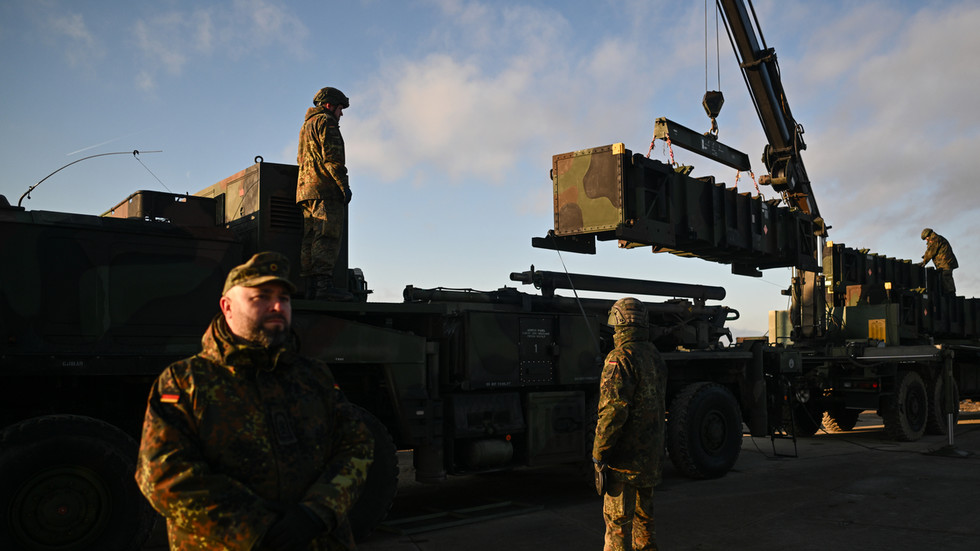
US and European reports agree that Washington has informed several European governments that deliveries of previously contracted US weapons systems will be postponed. The delays affect multiple EU and NATO members, with particular mention of Baltic and Scandinavian states that were expecting US-produced armaments. US officials are described as citing the ongoing military operation and broader conflict involving Iran as the primary reason, explaining that battlefield demands are rapidly consuming US stockpiles and limiting the ability to fulfill export commitments on schedule. Both sides acknowledge rising tension inside the alliance as European capitals seek clarity on revised timelines and the scope of affected contracts.
Coverage from both perspectives also situates the delays within the framework of NATO burden-sharing, long-term procurement contracts, and the strain on Western defense industrial capacity created by simultaneous conflicts. There is shared recognition that US and Israeli operations against Iran have intensified regional instability and increased short-term munitions consumption, highlighting pre-existing concerns over inadequate stockpiles and slow replenishment cycles. Both sides reference Russia as a key backdrop to European security planning, with attention to the vulnerability of Finland and the Baltic region and the risk posed by interruptions in planned force modernization. The reports jointly underscore that the logistical and industrial limits of US and allied defense production are now a central constraint on strategic choices in both the Middle East and Europe.
Cause and framing of the delays. Government-aligned sources characterize the postponements primarily as a technical and logistical consequence of the Iran conflict exhausting US arsenals and temporarily rerouting supplies to active combat operations. Opposition sources, by contrast, tend to frame the same delays as a symptom of deeper mismanagement of stockpiles and planning failures, arguing that Washington knowingly overcommitted its arsenal and ignored warnings from European partners. While government coverage stresses the inevitability of trade-offs in wartime, opposition reporting emphasizes that these trade-offs reflect avoidable political and strategic choices.
Alliance politics and trust. Government-friendly reporting highlights continued consultation within NATO and portrays the US as transparent with European allies about the constraints it faces, suggesting that overall alliance cohesion remains intact despite friction. Opposition outlets focus more on frayed trust, underscoring European frustration with Washington’s prioritization of its own operations over allied commitments and presenting the delays as evidence that Europe is overly dependent on US security guarantees. Where government sources describe the disagreements as manageable diplomatic turbulence, opposition coverage suggests a more serious credibility gap that could push EU states to seek alternative suppliers or greater strategic autonomy.
Responsibility and external threats. Government coverage often links the arms delays to the need to counter Iran and, indirectly, to deter Russia, arguing that short-term reallocation of resources is necessary to address immediate threats. Opposition sources are more likely to question whether US and Israeli actions toward Iran have themselves escalated tensions unnecessarily, thereby creating the conditions that forced the diversion of weapons away from Europe. Both acknowledge Russia as part of the strategic backdrop, but government narratives cast the delays as a temporary sacrifice to preserve broader deterrence, while opposition narratives question whether current US policy is in fact weakening European defenses vis-à-vis Moscow.
Implications for European policy. Government-aligned outlets tend to suggest that the episode underscores the need for Europe to stay closely aligned with US policy while incrementally investing more in its own defense industries within the NATO framework. Opposition coverage uses the same developments to argue that Europe should accelerate independent procurement, reassess support for US-led operations in the Middle East, and diversify away from US suppliers to avoid future vulnerabilities. Thus, government narratives frame the delays as a catalyst for strengthening NATO’s coordinated capabilities, whereas opposition narratives cast them as a wake-up call for greater European autonomy.
In summary, government coverage tends to portray the delays as an unfortunate but rational consequence of wartime logistics and alliance-wide strategic priorities, while opposition coverage tends to depict them as the avoidable outcome of poor planning, overreach in Iran, and an unhealthy European dependence on US arms and policy choices.