government
US to board Iran-linked ships worldwide in pressure campaign
US to target Iran-linked ships globally as tensions rise over Hormuz blockade and nuclear talks, WSJ reports.
3 days ago
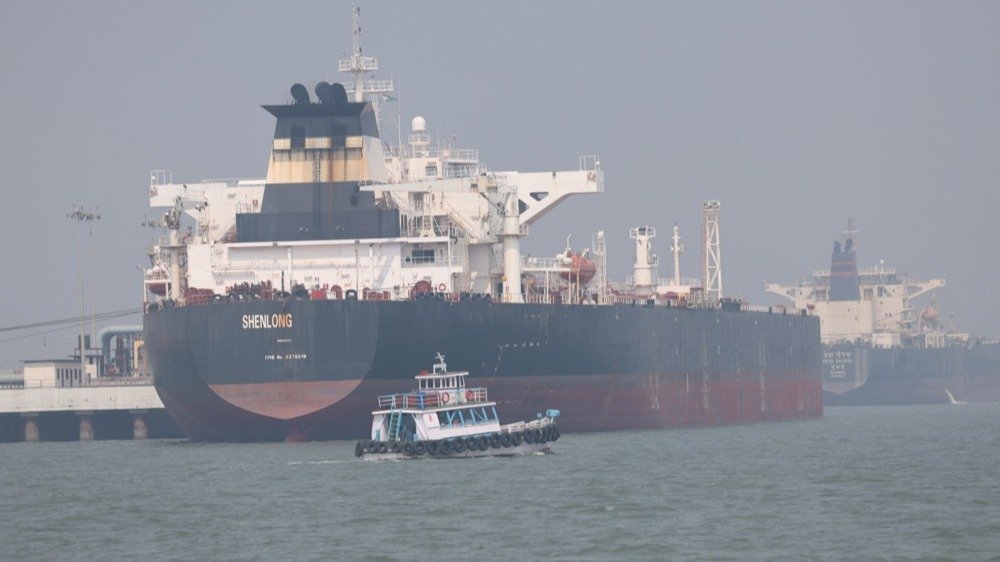
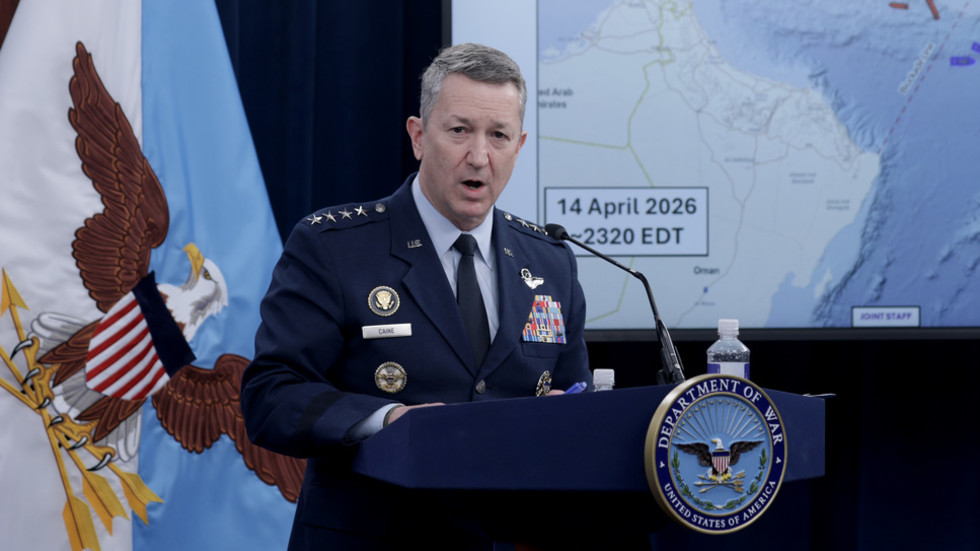
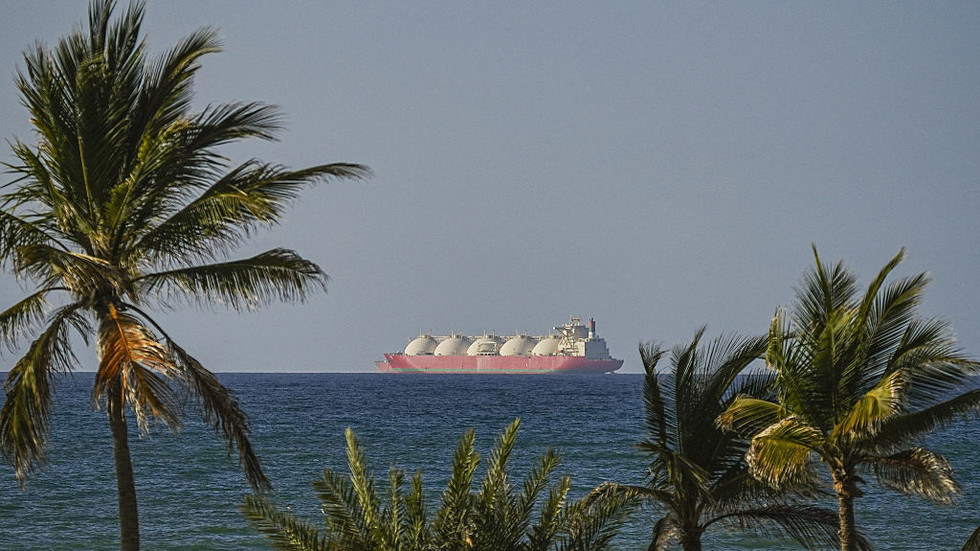
The US government and opposition-leaning outlets alike report that Washington has announced and begun implementing a naval blockade targeting Iran, centered on Iranian ports and the Strait of Hormuz, with a formal start date of April 13. Both sides agree that US Central Command and substantial naval forces are involved, that over 10,000 US personnel and numerous assets are enforcing the operation, and that the mission encompasses blocking or interdicting vessels linked to Iran and its oil exports. They concur that US officials present the primary stated objective as cutting off Iran’s revenue from oil sales and pressuring Tehran back to negotiations, and note that Iran had moved dozens of oil-laden tankers to sea in advance, effectively creating floating storage to mitigate the blockade. Both sets of coverage acknowledge that some Iranian or Iran-linked tankers have tried to transit the area, that several merchant vessels have been turned back to Iranian ports, and that global oil prices have surged above $100 per barrel in response to the blockade announcement and initial enforcement moves.
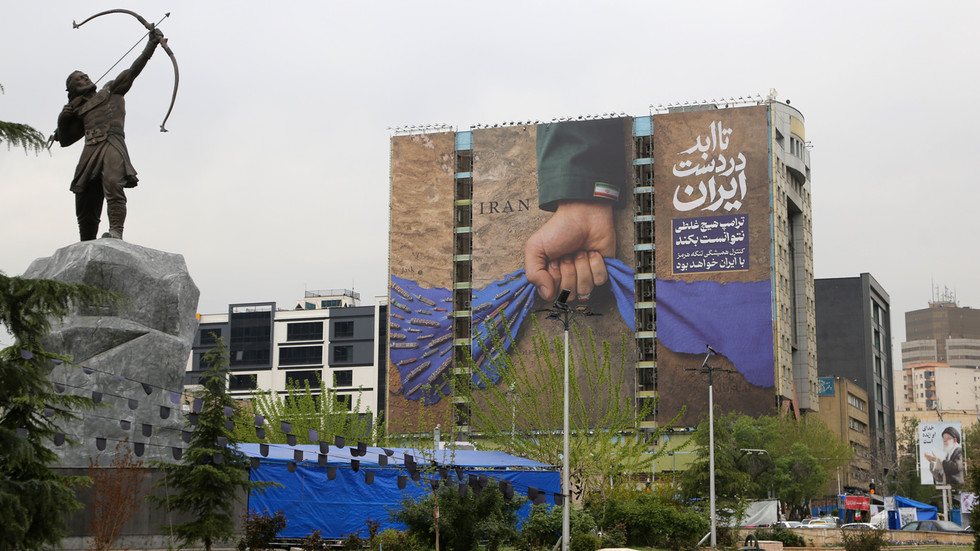
Both government-aligned and opposition outlets describe the broader context of failed diplomacy and rising regional tension, including collapsed talks between the US and Iran in Islamabad over nuclear issues, sanctions relief, and regional conflicts. They agree that Iran has condemned the blockade as illegal and akin to piracy, has threatened reciprocal measures affecting maritime transit and fuel prices, and has warned of potential escalation if its cargoes are obstructed. Coverage from both sides notes that US allies in Europe are skeptical or unwilling to fully participate in the mission, with European Union officials stressing freedom of navigation and refusing to legitimize any form of taxation or unilateral control over the Strait of Hormuz. Both perspectives situate the blockade within a longer-running confrontation over Iran’s nuclear program and regional role, and within a global economic context in which disruption of Hormuz traffic is widely understood to have major consequences for energy markets and consumer fuel costs.
Legal basis and legitimacy. Government-aligned coverage emphasizes US claims that the blockade and global interdiction of Iran-linked vessels fall within international law and existing sanctions regimes, framing them as enforcement actions against illicit trade and security threats. Opposition sources instead highlight legal experts and foreign governments who question or reject the blockade’s legality, portraying it as an act of economic warfare and possible piracy that exceeds UN mandates. While government narratives stress that the US is defending freedom of navigation against Iranian abuses, opposition reports focus on how many allies, including the UK, France, and EU institutions, refuse to endorse or join the operation, thereby undercutting Washington’s claim to legitimacy.
Scope and effectiveness of the blockade. Government-aligned outlets stress statements from CENTCOM that not a single ship has successfully broken the blockade, citing the redirection of multiple merchant vessels back to Iranian ports as evidence of strong enforcement. They also highlight new global directives to track, search, and seize Iran-linked ships worldwide, presenting these as decisive steps that are already constricting Tehran’s revenue. Opposition coverage, however, underscores reports of sanctioned tankers still transiting the region and Iran’s pre-positioning of oil at sea, arguing that these actions reveal loopholes and diminished practical impact. Opposition accounts tend to frame CENTCOM’s success claims as selective or premature, pointing to ongoing debates over whether traffic for non-Iranian vessels through Hormuz is genuinely unaffected.
Strategic wisdom and risk of escalation. Government-aligned narratives present the blockade as a necessary show of strength that will compel Iran back to negotiations and deter further attacks or coercive behavior in the Gulf. They relay US officials’ assertions that any Iranian attack on US or allied vessels will be met with overwhelming force, and suggest that a tough stance has already shifted leverage in Washington’s favor. Opposition outlets instead stress the risks of miscalculation and regional war, emphasizing that talks in Islamabad have collapsed and that Washington is actively considering additional military strikes. In this telling, the blockade is less a calibrated pressure tool and more an escalatory step that narrows diplomatic options and increases the likelihood of direct confrontation.
Economic and political consequences. Government-aligned coverage acknowledges rising oil prices and potential pain at the pump but tends to treat these as acceptable, temporary costs in pursuit of a larger strategic goal of weakening Iran and protecting global shipping in the long term. It sometimes amplifies claims that constraining Iran’s oil exports will ultimately stabilize markets by curbing a destabilizing actor. Opposition sources give more weight to the immediate economic fallout, emphasizing surging global oil prices, Iran’s warnings that Americans should "enjoy" higher gas prices, and concerns from European partners about worldwide suffering linked to disruptions at Hormuz. These outlets frequently connect the blockade to domestic political critiques of US leadership, portraying the policy as driven by ideological or electoral calculations rather than sober cost-benefit analysis.
In summary, government coverage tends to frame the blockade as a lawful, effective pressure tool that enhances US leverage and regional security despite short-term economic costs, while opposition coverage tends to portray it as legally dubious, operationally uncertain, economically damaging, and dangerously escalatory in a context of failed diplomacy.