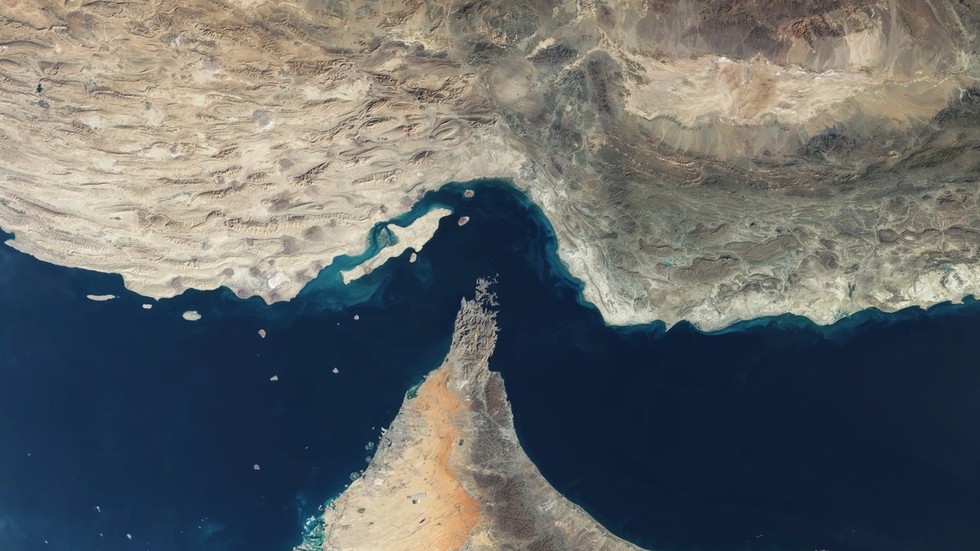
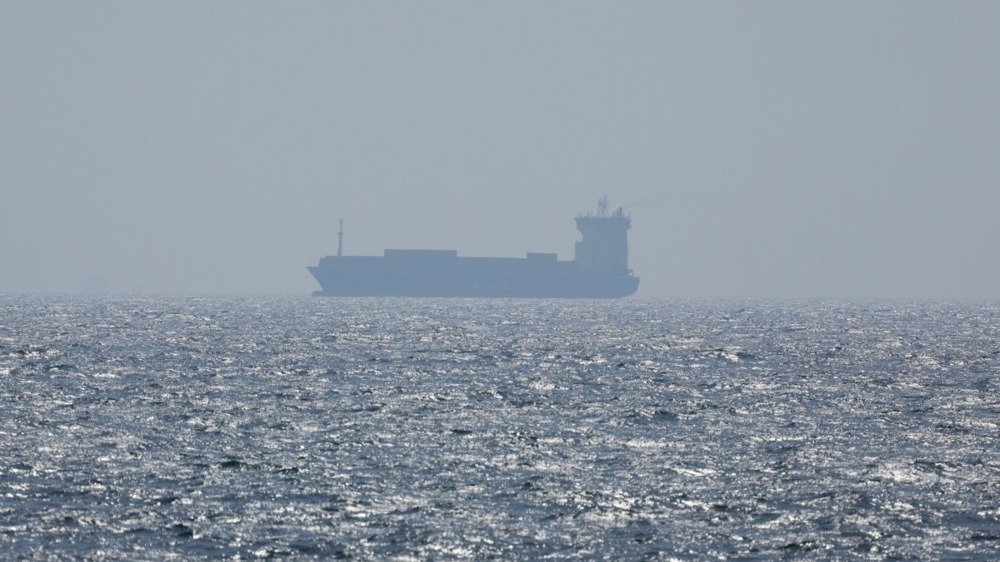
Iranian, regional, and international outlets broadly agree that Iranian Foreign Minister Abbas Araghchi has declared the Strait of Hormuz "completely" or "fully" open to all commercial or merchant vessels, with passage to follow existing agreed routes. The reopening is explicitly tied to a Lebanon ceasefire or truce between Israel and Hezbollah/Lebanon, described as a 10‑day halt in hostilities that has just gone into effect, and coverage on both sides notes that the move has already eased pressure on global energy markets, with oil prices—such as Brent crude—falling from recent highs. Both government-aligned and opposition reports acknowledge that the strait had been effectively closed or heavily restricted following a late‑February US‑Israeli attack and subsequent confrontation, and that Washington had imposed a blockade on Iranian shipping through this key chokepoint. They also converge on the fact that the United States, under President Donald Trump, is publicly associating itself with the reopening, with Trump acknowledging or claiming a role in the decision and connecting it to wider international diplomacy.
Shared context emphasizes the Strait of Hormuz as a critical maritime artery for global oil and commercial trade, where prior US pressure and Iranian closure or restrictions had disrupted markets and raised worldwide concern over freedom of navigation. Both sides situate the reopening within broader US‑Iran tensions and the Lebanon front of the wider regional conflict involving Israel and Hezbollah, noting that the current opening is explicitly limited to the duration of the ceasefire rather than a fully resolved settlement. The reports reference ongoing US policy tools—such as a continuing blockade on Iranian vessels and unresolved talks between Washington and Tehran in venues like Islamabad—as indications that the underlying disputes remain unsettled. They also concur that major powers, especially the United States and China, are deeply entangled in the security and economic stakes of the strait, with accompanying diplomatic assurances and negotiations presented as part of attempts to stabilize the situation.
Areas of disagreement
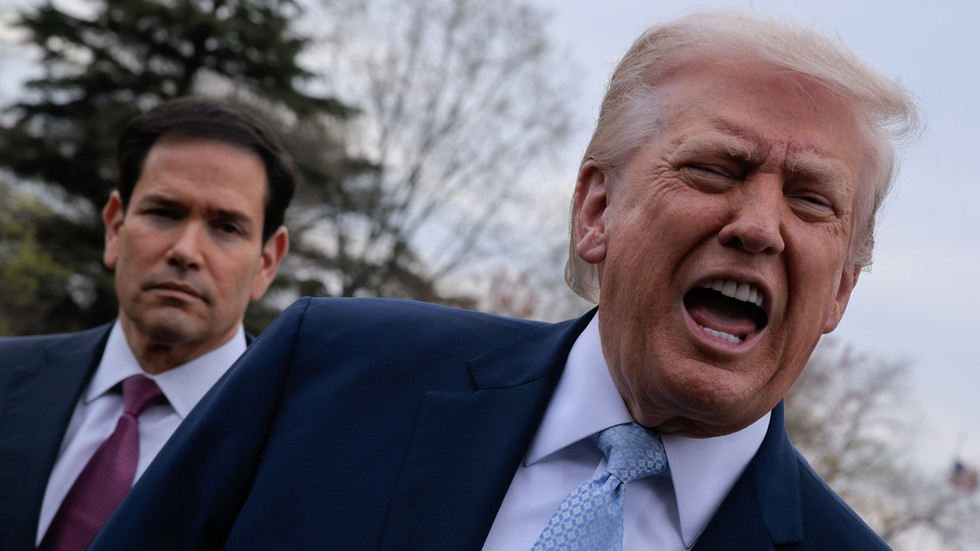
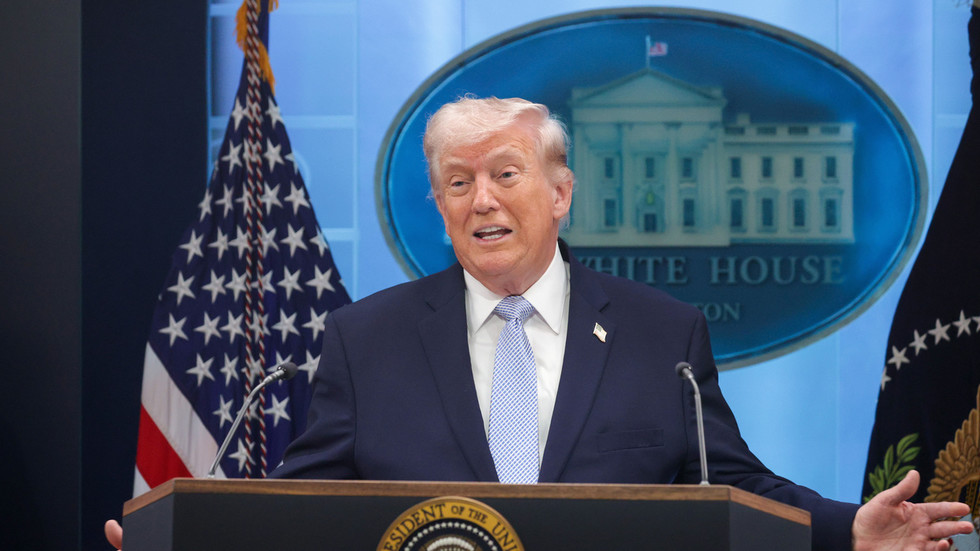
Agency and credit. Government-aligned coverage heavily foregrounds President Trump’s declarations that he is “reopening” or even “permanently opening” the Strait of Hormuz, framing the development as a US‑driven or at least jointly managed initiative that benefits China and the world, while presenting Iran’s announcement as confirmation. Opposition sources, by contrast, emphasize Araghchi’s statement as a sovereign Iranian decision linked to the Lebanon ceasefire, treating Trump’s comments as after-the-fact positioning rather than the primary driver. Government outlets also stress Trump’s claim that Tehran agreed not to close the strait again, whereas opposition reporting avoids endorsing this as a binding long-term commitment.
Characterization of prior closure and blame. Government coverage highlights the late‑February US‑Israeli bombing campaign and portrays Iran’s closure or restriction of the strait as a direct reaction, yet simultaneously underscores a narrative of US resolve in maintaining a blockade on Iranian vessels until its demands are met. Opposition reporting mentions the Israeli role and delayed truce more prominently, suggesting Israeli reluctance to halt operations as a key cause of the crisis, while treating US actions—such as the blockade and strikes—as central to the destabilization of shipping. Government-aligned sources thus balance assigning some blame to earlier Western attacks with emphasizing Western enforcement power, whereas opposition outlets more clearly frame Western and especially Israeli behavior as the primary source of escalation.
Security guarantees and external actors. Government-aligned outlets devote more attention to NATO, France, and the UK, citing Trump’s criticism of NATO as a “paper tiger” and highlighting a Franco-British mission to protect navigation, thereby underscoring Western security architecture and disagreements within it. They also elevate Trump’s assertion that China has agreed not to send weapons to Iran, presenting this as a security guarantee attached to the reopening. Opposition coverage, however, focuses far less on NATO and Western intra-alliance disputes, instead treating the truce between Israel and Lebanon and Iran’s announcement as the main stabilizing factors, and gives little credence or detail to US claims about Chinese commitments.
Duration and permanence of the opening. Government narratives lean on Trump’s vow to “permanently open” the strait and his claim that Tehran agreed not to close it again, suggesting a more durable arrangement even while acknowledging that US-Iran talks have not produced a long-term deal. Opposition sources clearly tie the opening to the finite Lebanon ceasefire period, emphasizing that the declaration covers “the remainder of the current ceasefire” and implying that the status of the strait is contingent on how the wider conflict evolves. As a result, government-aligned reporting projects a sense of strategic closure and long-term US-enabled openness, whereas opposition reporting stresses the provisional, ceasefire-bound nature of the current opening and the unresolved character of the broader confrontation.
In summary, government coverage tends to center US leadership, Trump’s pledges of a permanent opening, and Western security frameworks around Hormuz, while opposition coverage tends to highlight Iranian agency, Israeli obstruction of the ceasefire, and the conditional, ceasefire-limited character of the reopening.