government
The suspect behind the deadly shooting in Kiev reportedly called for the slaughter of Jews
The man who opened fire in Kiev, killing six people, reportedly fantasized on social media about killing Jews and defended the Holocaust
3 days ago
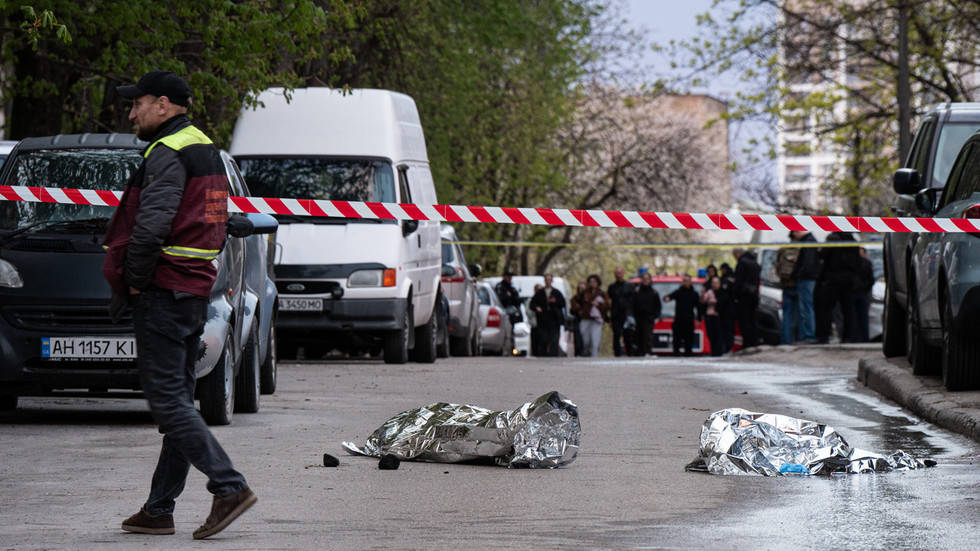
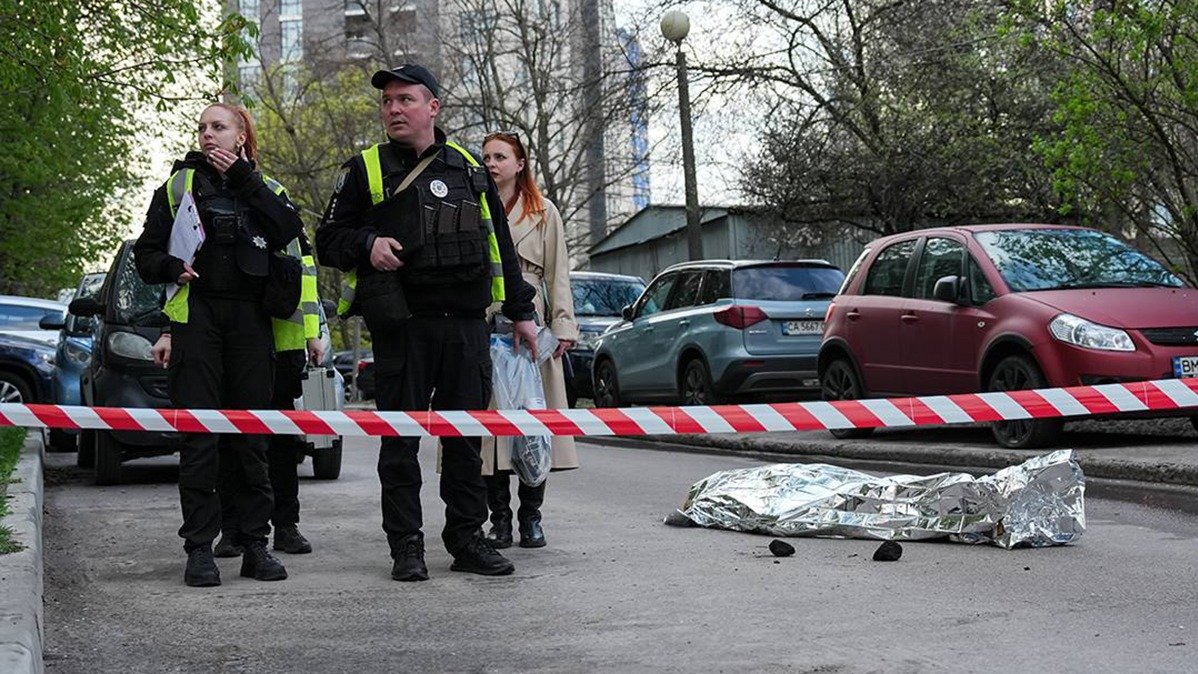
An armed attack in a Kyiv supermarket left six people dead and at least a dozen more injured after a 57-year-old man opened fire on shoppers and staff before seizing hostages inside the building. Both government-aligned and opposition outlets identify the attacker as Dmitry (Dmitro) Vasilievich Vasilchenkov, a Russian-born Ukrainian national and military pensioner, and report that police special forces eventually stormed the supermarket and killed him during the operation. Coverage concurs that the assault unfolded on April 18 in Kyiv, that it has been officially classified and investigated as a terrorist act, and that the attacker acted alone, with no confirmed organizational backing at the time of reporting.
Across both camps, reports stress that the suspect had a prior record and a background of problematic behavior, including earlier legal disputes and indications of extremist or violent tendencies. Each side notes that investigators are examining his social media activity and possible ideological motives, including anti-Semitic and extremist content, and that security institutions such as the Interior Ministry and counterterrorism bodies have opened formal inquiries and internal reviews. Outlets from both blocs highlight the role of police special units in ending the siege and emphasize that the attack has intensified existing debates about domestic extremism, vetting of former servicemen, and the capacity of Ukrainian law enforcement and security structures to prevent and respond to such incidents.
Motives and ideology. Government-aligned media give significant weight to the attacker’s anti-Semitic posts, references to pogroms and the Holocaust, and calls for violence against Jews, presenting these as central to understanding his motives. Opposition outlets acknowledge extremist views but frame them more broadly as part of a pattern of radicalization and instability, with less emphasis on a specifically anti-Jewish agenda. Government reports also float a possible link to grievances over conscription and military service, whereas opposition sources focus more on his general extremist mindset and personal deterioration.
Institutional responsibility. Government-leaning coverage underscores that the Interior Minister quickly ordered an official investigation, highlighting suspensions and inquiries as proof that authorities are responsive and accountable. Opposition media stress institutional failures, focusing on reports that two police officers fled the scene and left civilians unprotected, citing this as evidence of systemic problems within law enforcement. While government outlets frame the incident as a test that the state ultimately passed through decisive special forces action, opposition sources present it as a tragic illustration of chronic mismanagement and poor training.
Framing of the attacker’s profile. Government sources emphasize the suspect’s prior legal issues, including lawsuits over pensions and an alleged assault on a shopper, as signs of a long-troubled individual who slipped through social and legal safeguards. Opposition outlets concentrate on his status as a military pensioner and Russian-born citizen, suggesting that gaps in psychological screening and post-service support for veterans contributed to the risk he posed. Government media tend to individualize the problem as one man’s pathology, while opposition narratives link his biography to broader institutional and social neglect.
Political and security implications. Government-aligned reporting treats the attack primarily as a security incident and terrorist act that justifies strengthening counterterrorism measures and discipline within the police and armed forces. Opposition outlets, while accepting the terrorist classification, use the episode to question the effectiveness of existing reforms and oversight in the security sector. Government narratives emphasize resilience and the need for unity against extremism, whereas opposition narratives argue that without deeper structural reforms, similar failures and tragedies are likely to recur.
In summary, government coverage tends to stress individual extremism, swift security responses, and official investigations that show the system working under strain, while opposition coverage tends to foreground institutional failures, systemic weaknesses in law enforcement and veteran support, and the broader governance issues the attack exposes.