government
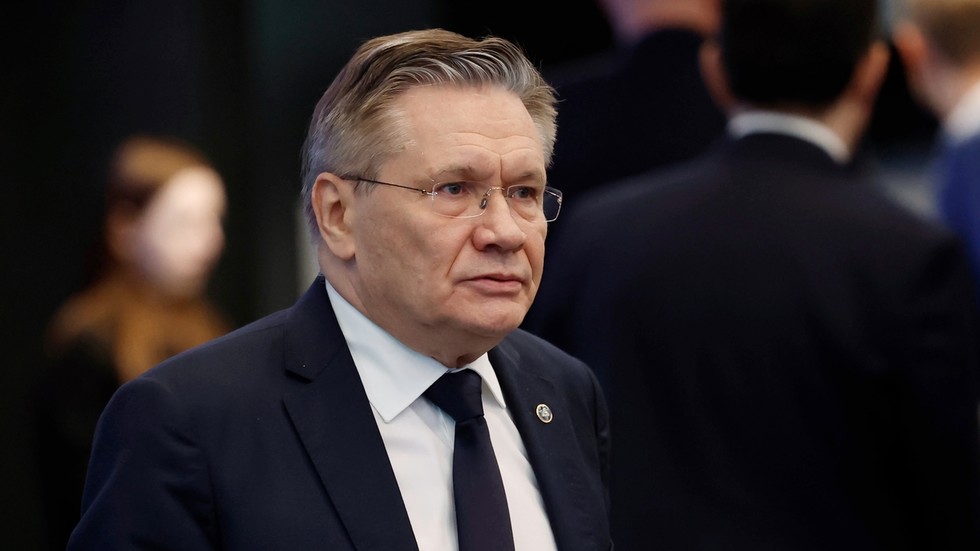
Iran not planning to send enriched uranium to the US
Saeed Khatibzadeh stated that this issue is not discussed
4 days ago
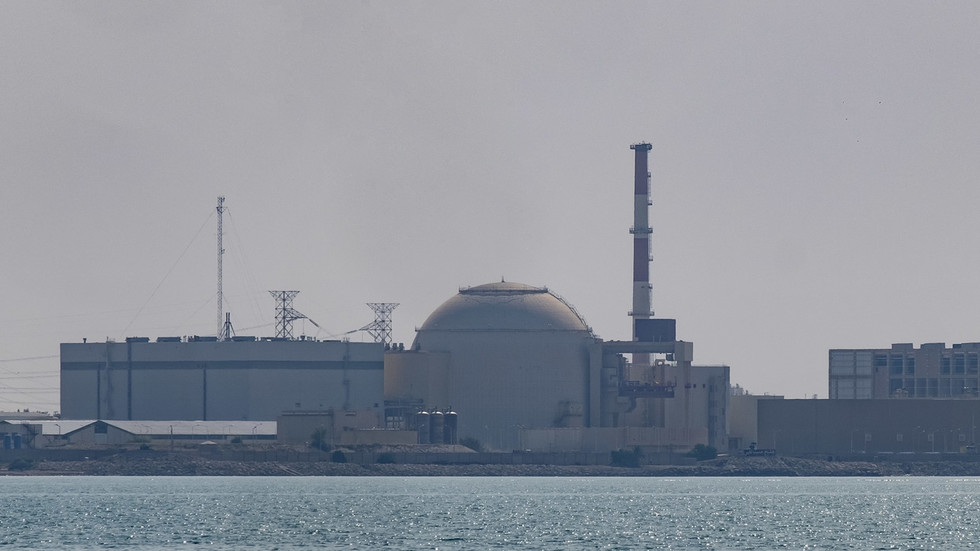
Iranian and foreign government-aligned reports concur that the current dispute centers on Washington’s demand that Iran hand over its enriched uranium and abandon its ability to enrich as part of broader nuclear negotiations. They agree that US officials, including Vice President JD Vance, have called for Iran’s nuclear material to be removed from the country and placed under American control, while Iran’s representatives, such as Deputy Foreign Minister Saeed Khatibzadeh, have publicly rejected sending enriched uranium to the United States. These sources also report that US President Donald Trump has claimed Iran is ready to transfer uranium from facilities hit by US B-2 bombers in June 2025, although Tehran has not confirmed this, and that Iran has instead floated a more limited, five-year enrichment moratorium in talks held in Islamabad.
Shared context across these government-aligned accounts emphasizes that enriched uranium is at the heart of long-running tensions over Iran’s nuclear program, which Tehran maintains is peaceful and not aimed at building nuclear weapons. They note that Russia, via state nuclear corporation Rosatom, has reiterated its willingness to take Iran’s enriched uranium, recalling a similar transfer arrangement in 2015, while also affirming Iran’s right to peaceful enrichment and urging more realistic US demands. The articles frame the current standoff as part of decades of negotiation over enrichment caps, stockpile removal, and monitoring, with the United States pushing for tighter, longer-term restrictions and Iran resisting what it sees as excessive or humiliating conditions.
Narrative of concessions and defiance. Government-aligned coverage presents Iran as firmly rejecting US demands to ship enriched uranium to the United States while still engaging in diplomatic exchanges, emphasizing Tehran’s refusal to dismantle its enrichment capability outright. By contrast, a notional opposition perspective would likely question the coherence of this stance, highlighting the gap between Iran’s declared refusal and Trump’s claim that Tehran has agreed to transfer uranium from bombed facilities. While official narratives stress Iran’s consistency in defending its rights, opposition voices would probably underscore mixed signals and suggest that Tehran oscillates between defiance and quiet concessions under pressure.
Portrayal of US demands. Government-aligned sources frame Washington’s insistence on removing Iran’s uranium and ending enrichment as maximalist, excessive, and aimed at denying Iran any sense of victory. They highlight statements by US leaders rejecting even a two-decade moratorium and insisting on American custody of Iran’s material, thereby casting the US as the intransigent party. A critical opposition narrative would more likely depict these demands as a predictable response to Iran’s past nuclear secrecy and regional behavior, arguing that strict conditions are a consequence of Tehran’s own record rather than arbitrary US overreach.
Role of Russia and international mediators. In government-aligned reports, Russia appears as a constructive partner, recalling its 2015 role and offering again to remove Iran’s uranium while affirming Iran’s right to peaceful enrichment and urging realistic US negotiation. This framing suggests a multipolar diplomatic field in which Moscow balances Iran’s interests against Western pressure. Opposition-oriented commentary would tend to be more skeptical, suggesting that reliance on Russia deepens Iran’s strategic dependency and reduces its bargaining power, and might argue that leaning on Moscow underscores Tehran’s isolation rather than its strength.
Domestic costs and strategic calculus. Government-aligned narratives stress national sovereignty and technological achievement, arguing that holding on to enrichment capabilities protects Iran’s rights and bargaining leverage in any future deal. They tend to underplay potential economic or security costs of prolonged standoffs, instead emphasizing resilience and resistance to foreign diktats. Opposition voices would likely focus on the domestic price of this posture, arguing that rigid red lines on enrichment and uranium stockpiles prolong sanctions, impede economic recovery, and ultimately weaken Iran’s strategic position more than any symbolic gain in nuclear autonomy.
In summary, government coverage tends to depict Iran as a principled actor defending its nuclear rights against excessive US demands and using Russian support to keep negotiations balanced, while opposition coverage tends to question the wisdom and consistency of this approach, emphasizing the self-inflicted economic and diplomatic costs of hard-line nuclear red lines.