government
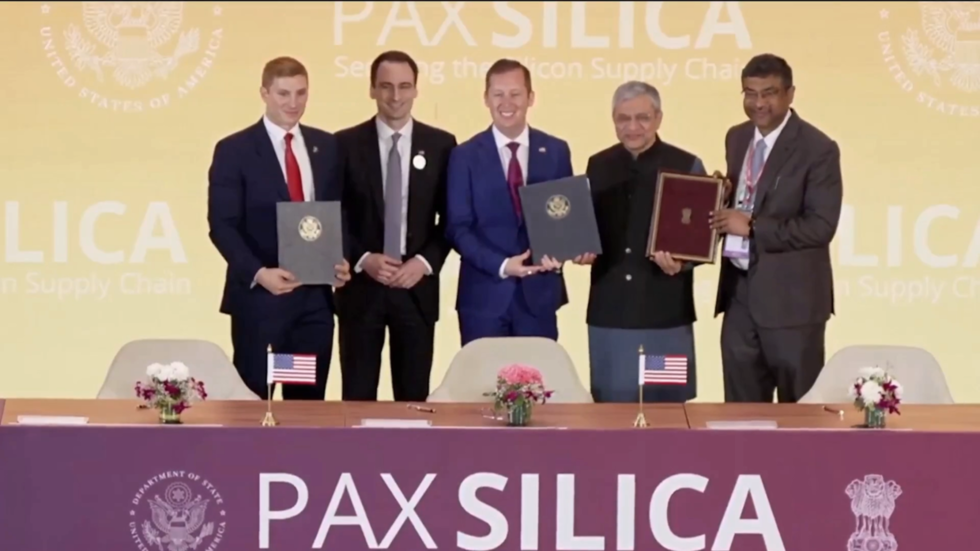
India joins US-led Pax Silica alliance
The US-led initiative has been envisaged to secure a supply chain for AI, semiconductors, and critical minerals
2 months ago
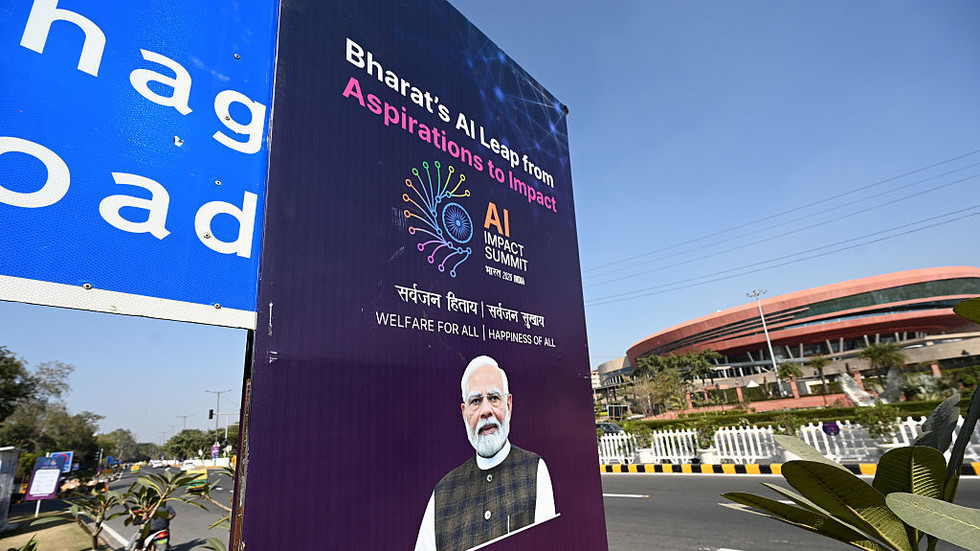
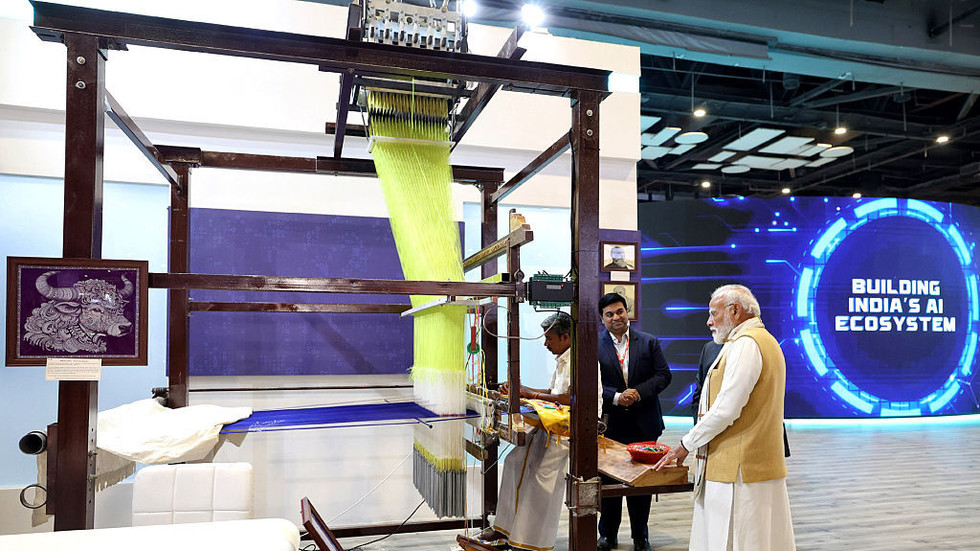
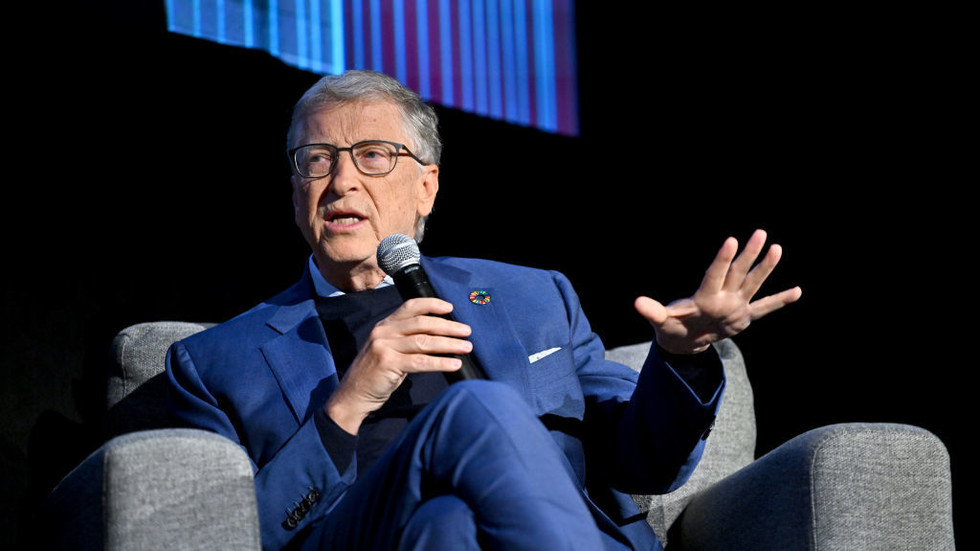
The India AI Impact Summit was held in New Delhi as a major global gathering on artificial intelligence, drawing around twenty world leaders and top executives from leading technology firms. High-profile attendees included Emmanuel Macron, Luiz Inacio Lula da Silva, Sundar Pichai, Satya Nadella, Sam Altman, and a Russian delegation, with Bill Gates’ scheduled keynote ultimately delivered by Ankur Vora from the Gates Foundation following Gates’ withdrawal. During the summit, India formally joined the US-led Pax Silica alliance, a global initiative aimed at securing supply chains for AI, semiconductors, and critical minerals, alongside several other participating nations. The event also featured a large expo, drew significant numbers of visitors and delegations, and was framed as a platform for unveiling major investment pledges from global tech companies.
Shared context across coverage highlights India’s effort to position itself as an emerging AI hub and an alternative node in global technology supply chains, especially relative to China. Institutions such as the Indian government, global tech giants, and multilateral partnerships like Pax Silica are repeatedly cited as vehicles for channeling billions of dollars into AI, cloud, and semiconductor ecosystems. Prime Minister Narendra Modi’s agenda is consistently described as emphasizing “human-centric” and “responsible” AI, with a strong narrative around using AI as a tool of inclusion for the Global South and addressing concerns over job displacement, particularly in the IT sector. The IndiaAI Mission, with a planned outlay of roughly $1.4 billion and a focus on building compute infrastructure and widening GPU access via public-private partnerships, is presented as the central policy instrument intended to translate summit rhetoric into long-term reforms and domestic innovation.
Significance of global positioning. Government-aligned reporting portrays the summit as a watershed moment that decisively elevates India into the top tier of AI nations, emphasizing historic investment pledges and repeated praise from global tech leaders. Opposition sources, by contrast, tend to treat the event as one step in a longer, uncertain journey, stressing that similar promises have been made before and questioning whether India’s regulatory environment, infrastructure, and education system can actually support the level of leadership claimed.
Economic benefits and job impact. Government narratives focus on the potential for billions in fresh AI and semiconductor investments, suggesting large-scale job creation, upskilling, and productivity gains across the economy. Opposition coverage is more likely to highlight immediate job anxiety in the IT and services sectors, arguing that automation risks and displacement are downplayed and that there is insufficient planning for safety nets, retraining, and protections for lower-skilled workers.
Governance, ethics, and inclusion. Government-aligned outlets stress Modi’s calls for “human-centric” and “child-safe” AI, emphasizing India’s role in championing responsible AI for the Global South and presenting the IndiaAI Mission as structurally inclusive. Opposition outlets tend to question these claims, pointing to gaps in data protection, algorithmic transparency, and institutional capacity, and arguing that without stronger regulation and rights-based safeguards, the benefits of AI may disproportionately favor large corporations and political elites.
Symbolism versus substance. In government coverage, episodes like the Galgotias robot controversy and Bill Gates’ withdrawal are treated as minor sidelines that do little to detract from the summit’s overall success and strategic outcomes such as joining Pax Silica. Opposition narratives give greater weight to these incidents, using them as symbols of image-management issues, weak vetting, and a tendency to prioritize spectacle over rigorous scientific and ethical standards.
In summary, government coverage tends to frame the India AI Impact Summit as a landmark diplomatic and economic success that cements India’s role as an inclusive, responsible AI power, while opposition coverage tends to question the depth, distribution, and enforceability of the promised benefits, emphasizing structural risks, governance gaps, and the possibility that the event is more showpiece than systemic transformation.