government
Blast kills police officer in Moscow (VIDEOS)
A police officer was killed and another injured in an explosion near Savelovsky Station in northeastern Moscow early Tuesday morning
2 months ago
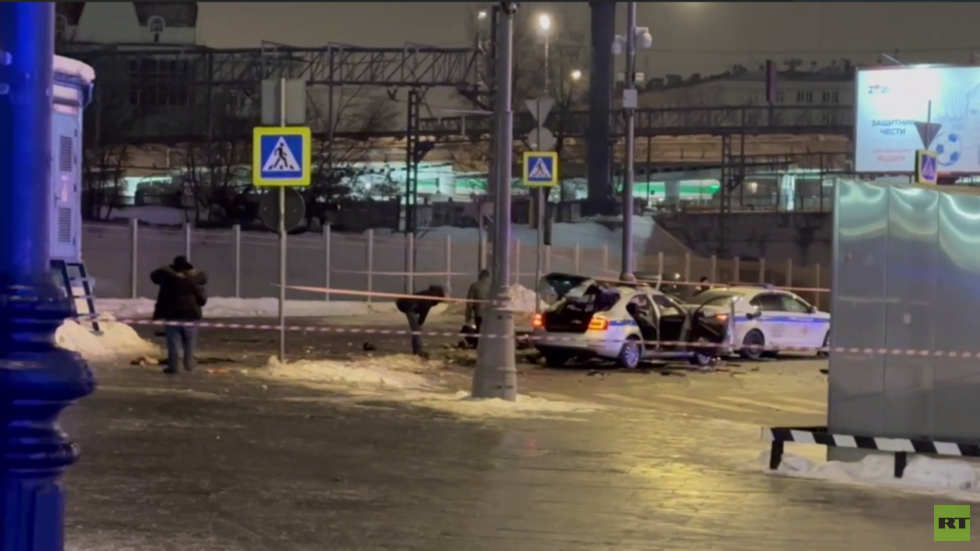
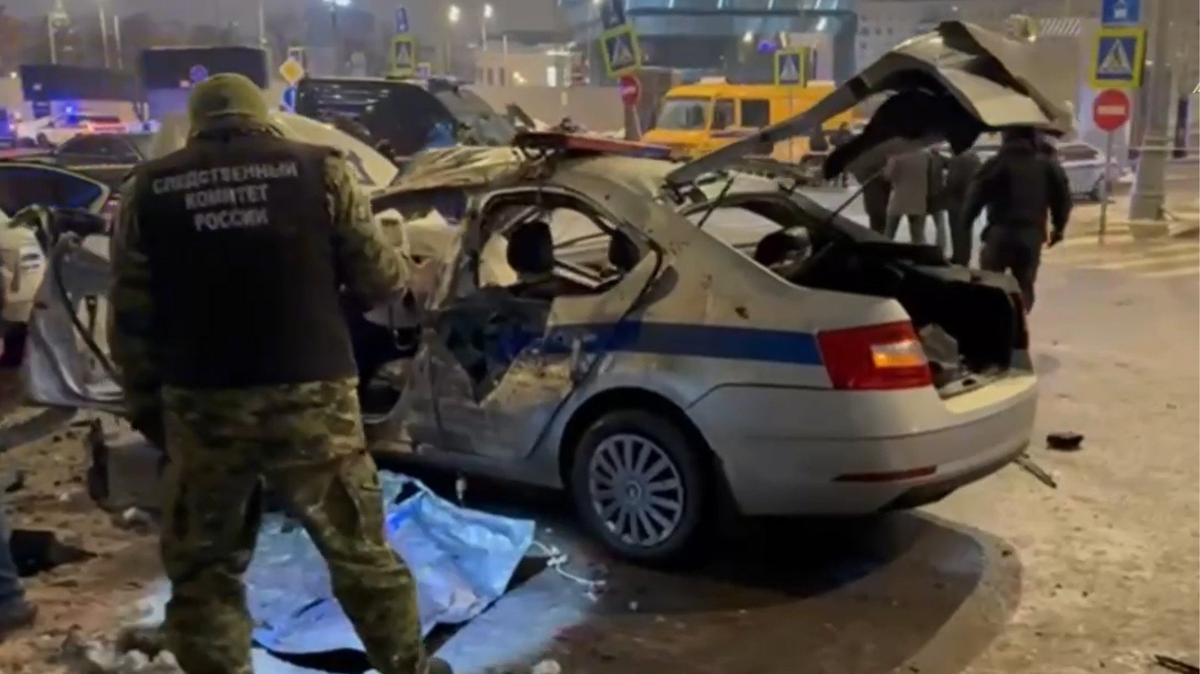
An explosion occurred near the Savyolovsky (Savelovsky) railway station in Moscow, where a man approached a traffic police patrol car and detonated an explosive device, killing himself and one traffic police officer and injuring two other officers. Both government-aligned and opposition outlets agree that the blast took place directly by or in front of a police vehicle near the station, that the attacker died at the scene, and that the injured officers were taken to medical facilities for treatment.
Across both sides, coverage concurs that Russia’s Investigative Committee has opened criminal proceedings in connection with the blast and is examining surveillance footage and physical evidence from the scene to clarify the circumstances and motives. Both emphasize the institutional role of the Investigative Committee and law enforcement structures, portraying the incident as a serious security breach in a prominent transport hub and noting that officials are treating it as a major criminal case under existing Russian security and anti-terror frameworks.
Framing of the incident. Government-aligned outlets describe the blast in restrained, procedural language as a criminal incident under investigation, stressing the professionalism of security services and avoiding early labels about terrorism or political motivation. Opposition sources, while also noting the official criminal case, more readily characterize the act as a deliberate self-detonation and imply it fits into a broader pattern of security failures, leaving more room for speculation about the nature and intent of the attack.
Emphasis on security narrative. Government reports highlight the swift response of the Investigative Committee and police, underscoring state capacity and the message that authorities are in control of the situation despite the loss of an officer. Opposition outlets, by contrast, place stronger emphasis on the fact that the attacker was able to reach a police car at a busy station, implicitly questioning the effectiveness of existing security measures and suggesting systemic vulnerabilities.
Political and social undertones. Government-aligned coverage tends to strip the event of explicit political context, focusing on legal procedures, forensic work, and official statements while avoiding broader commentary on social tensions. Opposition media, even when factual, situate the blast within a climate of growing domestic insecurity, hinting that internal discontent or radicalization may be rising and that the state’s repressive policies or centralized power structures could be contributing factors.
In summary, government coverage tends to frame the blast as a contained criminal incident managed through established law-enforcement channels, while opposition coverage tends to use the same facts to question the robustness of Russia’s security system and hint at deeper political and social causes.