government
US-registered boat enters Cuban waters, opens fire
As a result of the clash, four Americans were killed and six were wounded
2 months ago
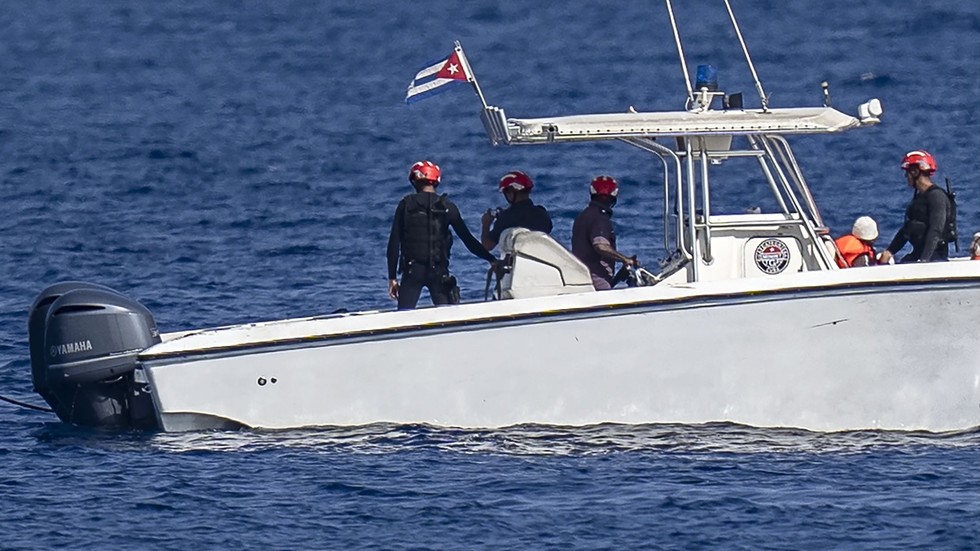
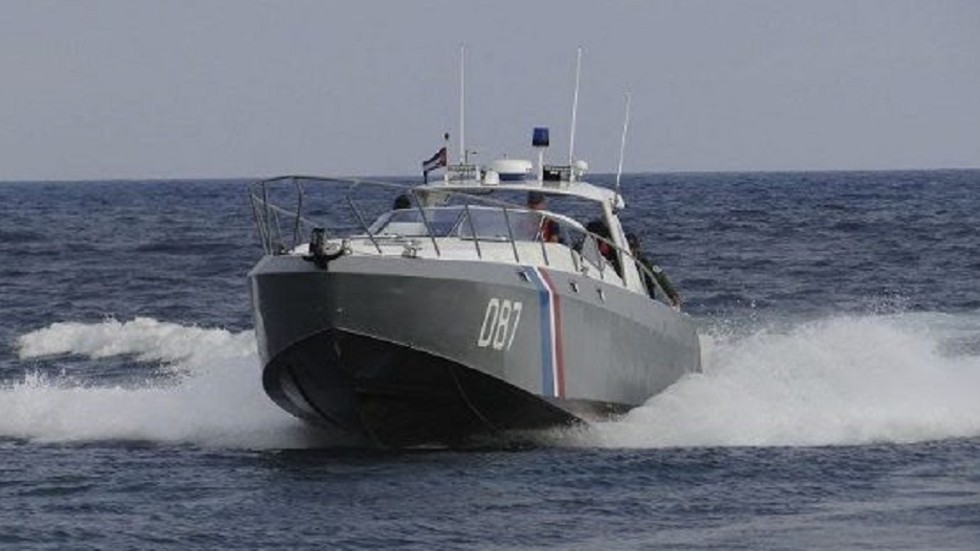
A US-registered speedboat entered Cuban territorial waters off the central province of Villa Clara on or around February 25, where it was intercepted by a Cuban border guard patrol boat during an identification check. Both government-aligned and critical opposition-oriented commentators working from the same fact pattern accept that an exchange of fire took place, leaving four occupants of the speedboat dead and six wounded, as well as one injured Cuban officer. They also generally concur that the vessel carried about ten men, that it was registered in Florida, and that weapons and tactical gear were recovered on board, prompting an ongoing investigation into the group’s identities and the boat’s purpose. There is broad agreement that US officials have publicly denied any US government or military role in the incident and that the confrontation occurred amid already heightened US–Cuba tensions.
Across the spectrum, coverage acknowledges that the episode sits within a longer history of clandestine or semi-clandestine maritime traffic between South Florida and Cuba, including smuggling cases and politically motivated missions. Both sides reference US-based Cuban expatriate networks and note that some of the detained individuals are Cuban nationals residing in the United States, with prior criminal records or links to militant groups alleged by Havana. It is also widely reported that the clash unfolded during or alongside US maritime operations in the region aimed at interdicting irregular voyages, and that Havana has used the incident to spotlight its longstanding complaints about anti-government militancy organized from US soil. Shared accounts stress that formal investigations on both sides of the Florida Straits, and diplomatic messaging between Washington and Havana, will shape how the event is ultimately characterized.
Responsibility and blame. Government-aligned outlets frame the speedboat’s crew as armed infiltrators who initiated the firefight by shooting at Cuban border guards, clearly assigning culpability to the men on board and, indirectly, to US-based militant networks. They emphasize the wounding of a Cuban commander and describe the response as a lawful defensive action against a terrorist incursion. Opposition-leaning voices, where they extrapolate from limited facts, tend to question whether Cuban forces escalated too quickly, raise doubts about the proportionality of lethal force against a small vessel, and float alternative explanations such as smuggling or escape rather than organized terrorism.
Nature of the mission. Government coverage states as fact that the boat was on a terrorist infiltration mission, highlighting confiscated weapons, tactical equipment, and alleged confessions about destabilization plans against Cuban targets. It underscores that some detainees appear on an official list of terrorists and criminals and presents this as confirmation of hostile intent. Opposition narratives, lacking independent access to the detainees or evidence, are more cautious, treating Havana’s terrorism claims as potentially self-serving, speculating that the mission could have been criminal or migration-related, and warning against taking state-released confessions at face value.
Role of the United States. Government-aligned media strongly link the incident to what they describe as US tolerance or encouragement of extremist exile groups, arguing that Washington’s failure to curb these actors creates the conditions for violent incursions. They highlight comments from Russian and Cuban officials portraying the event as part of a broader pattern of US provocation and pressure. Opposition-oriented commentators stress US denials of any official involvement, emphasize that the boat was privately operated, and argue that blaming the US state risks obscuring internal Cuban dynamics and the desperation that drives risky maritime departures.
Legal and human rights framing. Government outlets characterize the shootout as a straightforward law-enforcement encounter in which Cuban authorities acted within their legal mandate to defend territorial sovereignty, pointing to the provision of medical care for surviving suspects as evidence of due process. They depict the border guards’ actions as necessary to deter future armed incursions. Opposition voices, by contrast, frame the deaths as possible extrajudicial killings at sea, question the transparency of the investigation and access to independent counsel for detainees, and argue that in an opaque system it is difficult to verify whether the engagement complied with international standards.
In summary, government coverage tends to depict the incident as a thwarted terrorist infiltration masterminded from permissive US territory and handled lawfully by Cuban authorities, while opposition coverage tends to cast doubt on Havana’s terrorism narrative, scrutinize the use of lethal force, and decouple the episode from direct US state responsibility.