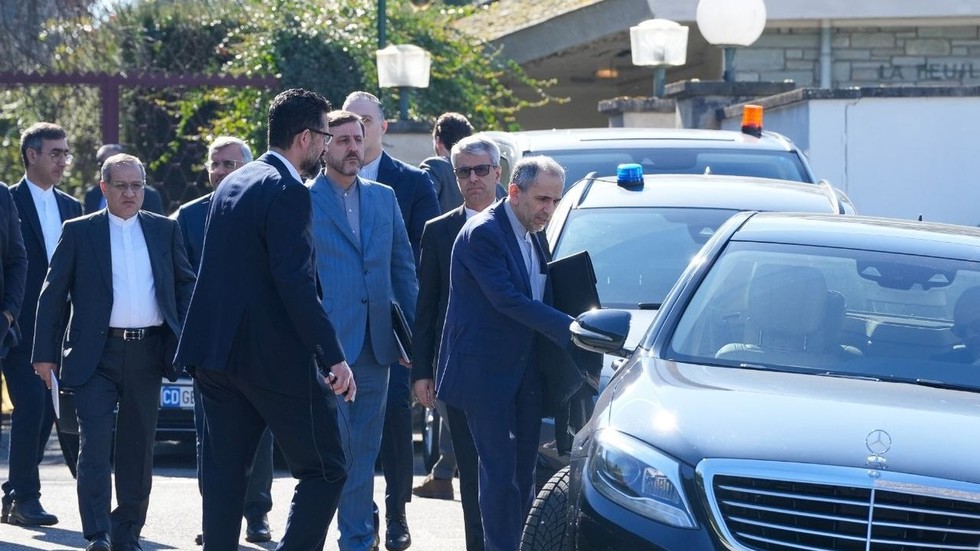
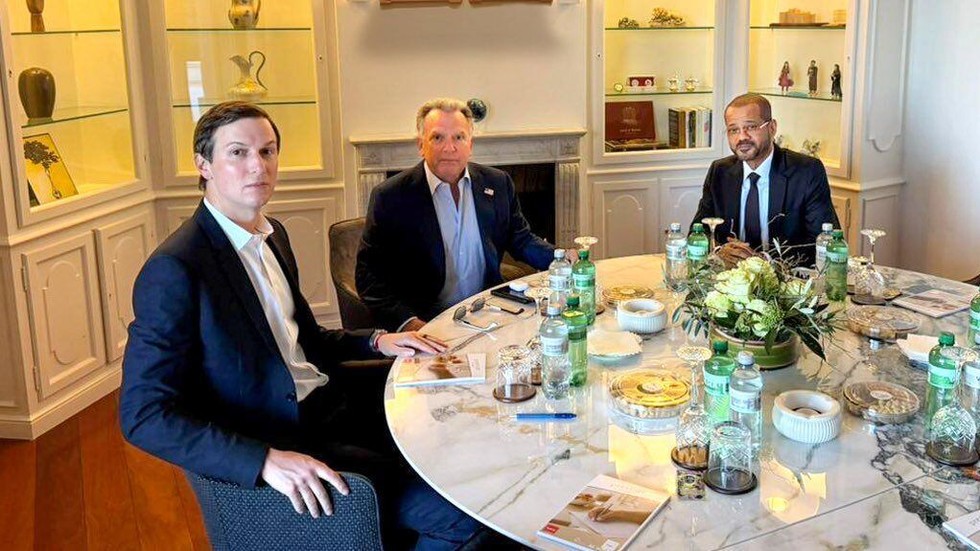
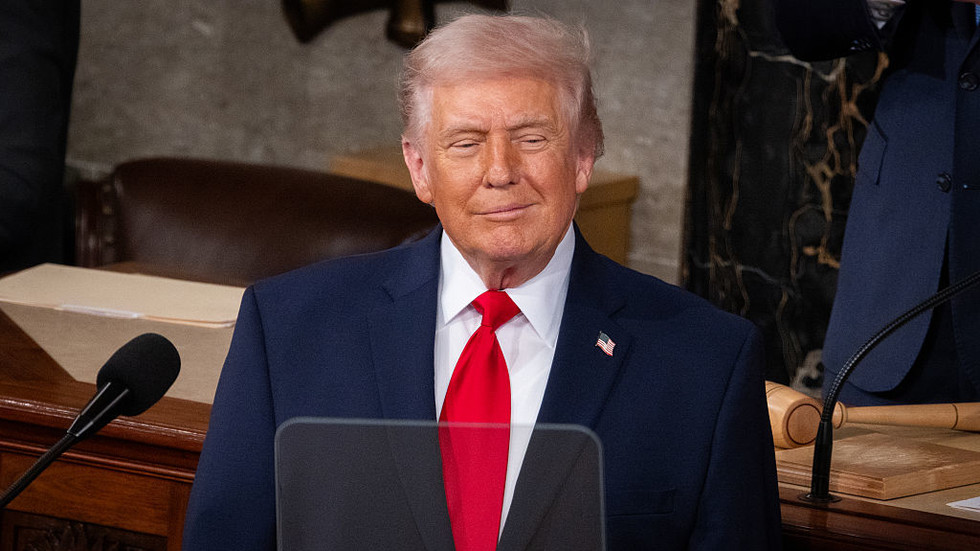
US and Iranian officials, holding their third round of indirect nuclear talks in Geneva mediated by Oman, both describe the meetings as the most serious and prolonged to date, with intensive exchanges and what they call significant progress. Both sides acknowledge that substantial differences remain over the future of Iran’s enrichment activities, uranium stockpiles, the status of key nuclear facilities, the duration and scope of restrictions, and the sequencing of sanctions relief, and they confirm that expert-level technical consultations will continue in Vienna starting in early March. They also agree that the US delegation has been sent under President Trump’s authority, that military options are being kept on the table alongside diplomacy, and that global actors such as China and Russia, as well as the IAEA leadership, are closely tracking the process and discussing Iran-related non-proliferation issues.
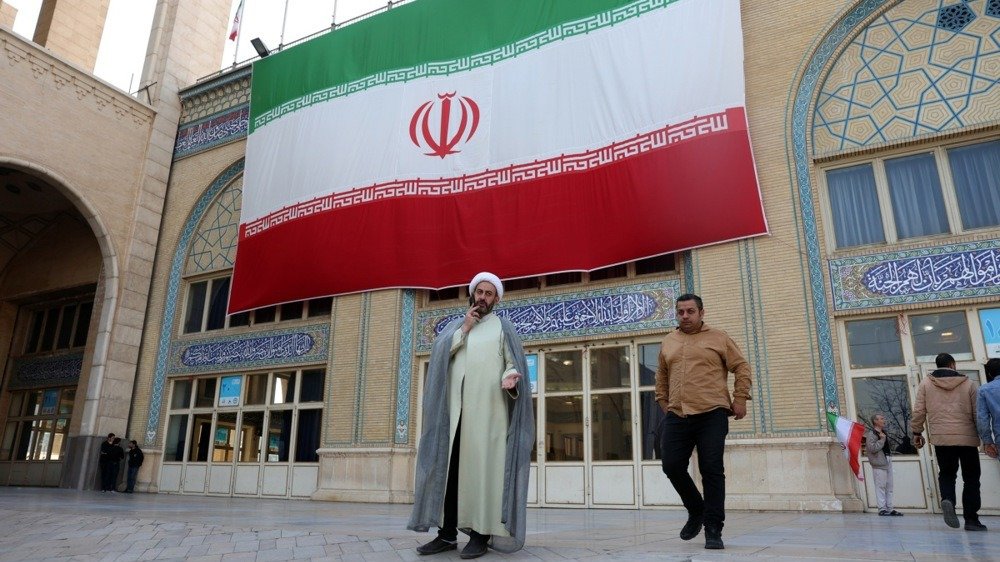
Across both government-aligned and opposition accounts, the Geneva talks are situated within the long-running crisis over Iran’s nuclear program and the broader international non-proliferation regime. Both sides reference Iran’s official position that it does not seek nuclear weapons, including past statements and religious rulings, and frame the negotiations as aimed at preventing weaponization while avoiding a regional war. They concur that discussions now extend beyond core nuclear constraints to related issues such as verification mechanisms, ballistic missiles, and Iran’s regional activities, and that any eventual agreement would likely involve phased relief from US sanctions in exchange for technical limits and enhanced monitoring of Iran’s nuclear activities.
Areas of disagreement
Nature of the progress. Government-aligned coverage emphasizes that the Geneva talks produced substantive, "significant" progress and deeper engagement, even as key disputes persist, portraying the outcome as a step toward a workable framework. Opposition coverage, while acknowledging that both sides claimed progress, highlights instead that Iran rejected all major US demands on destroying facilities and exporting enriched uranium, casting the talks as largely stalemated. Government sources stress the continuation of expert talks in Vienna as evidence of momentum, whereas opposition sources imply that the core US objectives remain unmet despite the diplomatic choreography.
Portrayal of Iran’s intentions. Government-aligned outlets foreground repeated Iranian assertions that the nuclear program is strictly civilian, referencing the 2003 fatwa and official denials of any bomb pursuit to frame Tehran as a state seeking security and sanctions relief rather than weapons. Opposition reporting gives far less weight to these assurances and focuses instead on Iran’s refusal to accept long-term or indefinite restrictions, implying that Tehran seeks to preserve a latent or rapid breakout capability. Where government sources stress Iran’s willingness to discuss enhanced verification and commercial incentives, opposition sources interpret the same behavior more as tactical bargaining than as proof of benign intent.
Characterization of US leverage and options. Government-aligned coverage presents the US as committed to diplomacy but firm that Iran must never obtain nuclear weapons, stressing that Washington, often alongside Israel, retains a credible threat of force while pursuing a "fair deal." It notes expressions of US openness to negotiations and longer-term arrangements on missiles and regional behavior, suggesting a mix of pressure and engagement. Opposition coverage, by contrast, spotlights reports that the US military has already presented operational options against Iran to President Trump, framing the talks as occurring under an unmistakable shadow of coercion and hinting that Washington may be preparing for confrontation if diplomacy fails.
Framing of the negotiating balance. Government-aligned sources depict the interaction as a complex but roughly reciprocal negotiation in which both parties have made headway and are exploring trade-offs involving sanctions relief, technical limits, and economic incentives like potential energy and mining deals. They underscore Iran’s rejection of some US demands while still describing a path forward through continued technical and political talks. Opposition coverage instead frames the balance as lopsided in Iran’s favor at this stage, emphasizing that Tehran has flatly rejected core US conditions without paying a visible price, thereby questioning whether Washington is securing meaningful concessions.
In summary, government coverage tends to stress tangible diplomatic progress, mutual engagement, and a viable path toward a negotiated framework that averts war, while opposition coverage tends to emphasize Iran’s rejection of key US demands, the prominence of military options, and lingering doubts about both Tehran’s intentions and the effectiveness of Washington’s leverage.