government
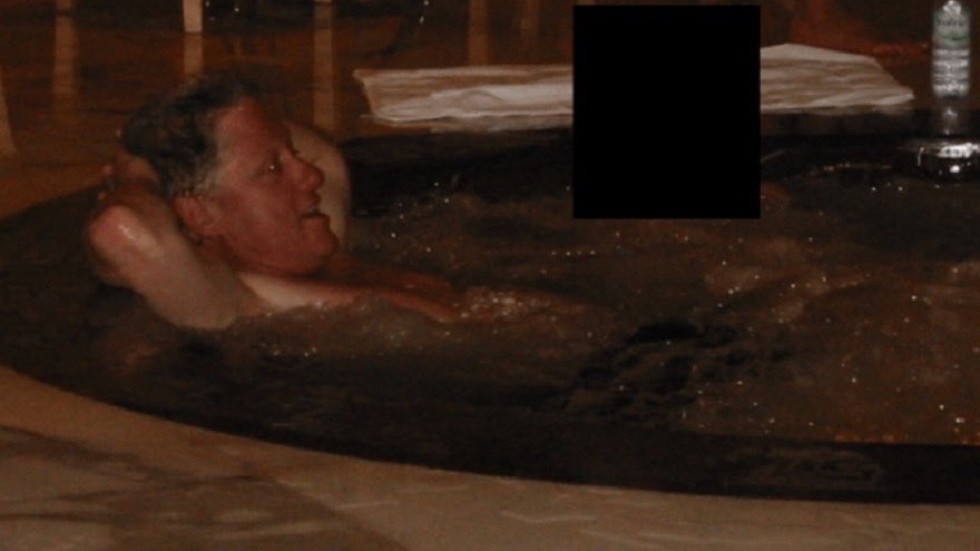
Bill Clinton said he ‘did not have sex’ with mystery woman in Epstein’s jacuzzi
The former US president did not address the media following his closed-door deposition testimony before the House Oversight Committee
2 months ago
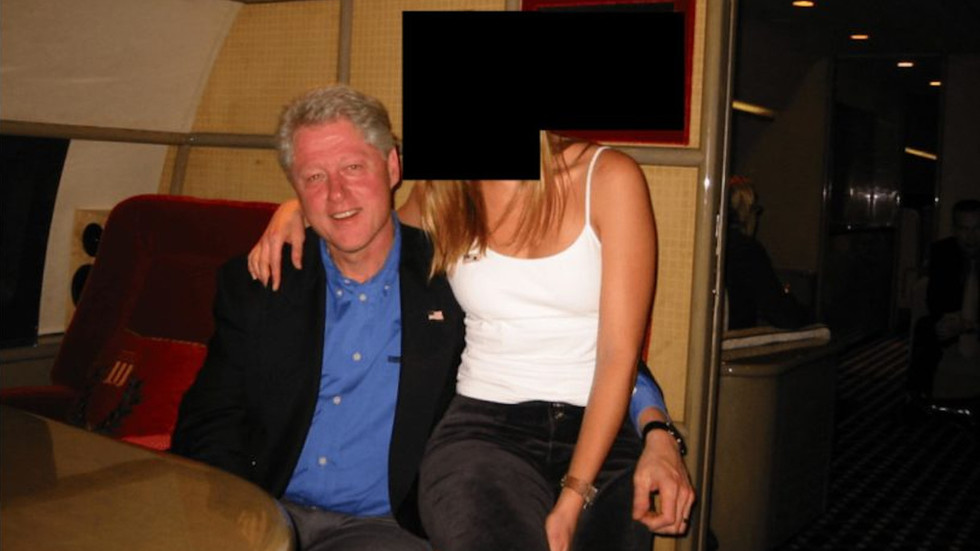
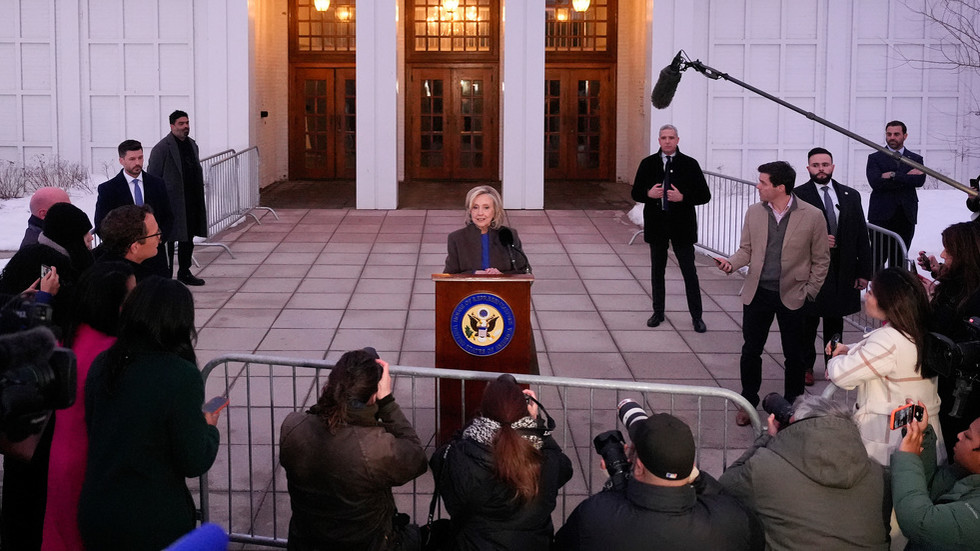
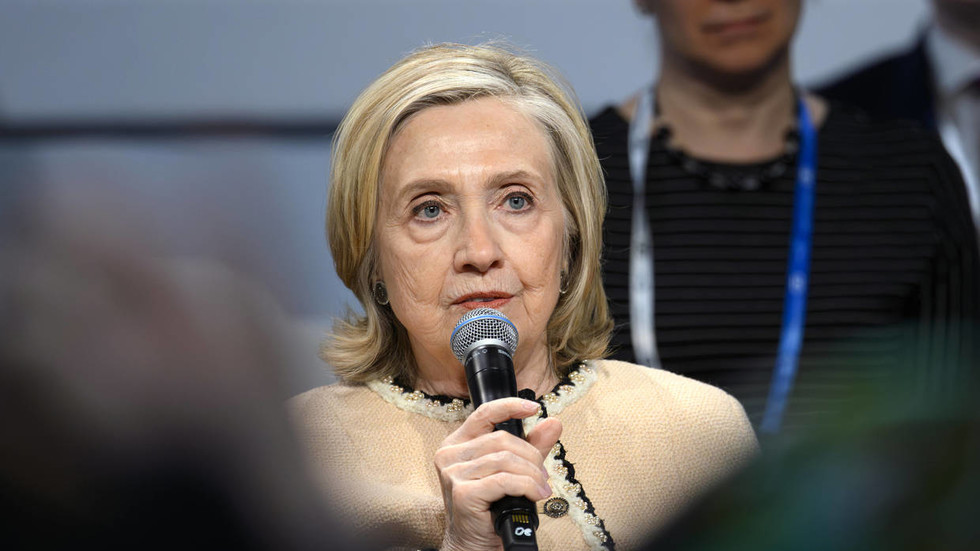
Bill and Hillary Clinton have both recently testified, in separate closed-door sessions, before the House Oversight Committee about their connections to Jeffrey Epstein. Coverage agrees that Bill Clinton faced extensive questioning about flight logs, photographs, and especially a jacuzzi photo in which he is seen with an unidentified woman; he denied knowing the woman, denied any sexual relationship with her, and reiterated that he never visited Epstein’s private island. Reports also concur that Hillary Clinton’s appearance preceded Bill’s, that she stated she never met or communicated with Epstein, and that she described Ghislaine Maxwell as only a casual acquaintance who attended Chelsea Clinton’s wedding as a guest’s plus-one rather than as a personally invited attendee. All sides acknowledge that Clinton’s deposition lasted several hours and is part of a broader House inquiry into individuals linked to Epstein.
Across outlets, there is shared recognition that the proceedings are being run through the House Oversight Committee and framed as part of a wider institutional effort to scrutinize Epstein’s networks and any public figures connected to him. Media from different perspectives agree that the inquiry has become politically charged, intersecting with long-standing partisan battles over accountability, transparency, and the handling of past sexual-misconduct scandals. There is common acknowledgment that Epstein’s criminal history and death have fueled ongoing public suspicion about elite protection and impunity, which in turn underpins the rationale for summoning high-profile witnesses such as the Clintons. Both sides also note that the controversy touches broader debates on congressional oversight powers, the limits of closed-door testimony, and the role of leaked or unauthorized images from such proceedings in shaping public opinion.
Nature and seriousness of ties. Government-aligned coverage portrays the Clintons’ connections to Epstein and Ghislaine Maxwell as limited, transactional, and largely social, emphasizing Hillary Clinton’s denial of any contact with Epstein and her depiction of Maxwell as a casual acquaintance at a family event. Opposition-oriented narratives tend to frame the same connections as deeper and more suspicious, highlighting flight logs, photos, and guest lists as circumstantial evidence of an entrenched relationship. While government sources stress the absence of direct proof that the Clintons knew of or enabled Epstein’s crimes, opposition outlets emphasize the pattern of repeated proximity and question how such knowledge could realistically have been avoided.
Credibility of testimony. Government coverage generally treats the Clintons’ sworn statements as straightforward rebuttals, underscoring Bill Clinton’s clear denials about visiting Epstein’s island or having sex with the woman in the jacuzzi photo and Hillary’s categorical disavowals of any contact with Epstein. Opposition sources are more inclined to cast these denials as evasive or incomplete, contrasting them with documentary evidence like flight records and long-circulated photos to suggest omissions or word-parsing. Where government-aligned outlets highlight the legal risks of lying under oath as a reason to trust the testimony, opposition narratives point to the Clintons’ past scandals as a basis for skepticism.
Motives and conduct of the inquiry. Government-aligned reporting often echoes Hillary Clinton’s contention that the deposition was shaped by partisan theater, citing questions that veered into UFOs and Pizzagate as evidence that Republicans sought spectacle over substantive fact-finding. Opposition coverage, by contrast, tends to defend the inquiry as a necessary and overdue probe into elite entanglements with Epstein, presenting the breadth of questioning as justified by years of secrecy and speculation. While government sources stress procedural irregularities and political grandstanding, opposition outlets highlight the committee’s duty to press aggressively for answers.
Procedural controversies and media leaks. Government coverage focuses on the disruption caused when a conservative commentator posted a photo from Hillary Clinton’s closed-door testimony, emphasizing her lawyers’ insistence on pausing proceedings over what they framed as a violation of House rules and privacy norms. Opposition-leaning narratives are more likely to cast the same incident as a transparency issue, framing the leaked image as a legitimate public glimpse into a process otherwise shielded from scrutiny. For government-aligned outlets, the pause is a matter of institutional integrity and witness protection; for opposition outlets, it underscores how tightly controlled and opaque elite accountability processes have become.
In summary, government coverage tends to present the Clintons’ testimony as credible, limited in damaging revelations, and marred mainly by partisan excesses in the inquiry’s conduct, while opposition coverage tends to depict the same events as a rare but still constrained opportunity to probe serious and longstanding suspicions about the Clintons’ role in Epstein’s network.