government
Strikes on Iran require an emergency UN Security Council meeting
Leonid Slutsky called the attack deliberate aggression and escalation fraught with extremely negative consequences for the broader region
2 months ago
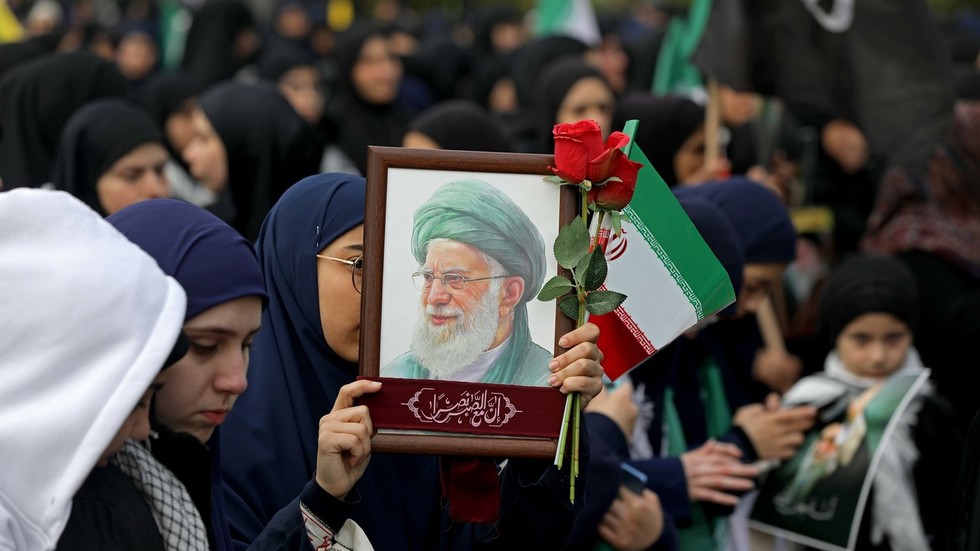
Russia- and China-aligned coverage agree that the United States and Israel conducted coordinated military strikes on Iranian territory, including air and missile attacks that hit major cities and leadership targets, culminating in the killing of Supreme Leader Ayatollah Ali Khamenei and members of his family. Both government and opposition sources report that Washington justified the operation by citing Iranian missile and nuclear threats, that Iran responded with missile and drone strikes against Israel and US military facilities in the region, and that air travel and broader regional security were disrupted. They concur that these actions lack UN Security Council authorization, have already produced casualties among Iran’s leadership and civilians, and have prompted calls from multiple states for an emergency UN Security Council meeting and an immediate cessation of hostilities.
Across both types of outlets, there is shared emphasis on the role of international institutions and legal frameworks, repeatedly invoking the UN Charter, international law, and the mandates of the UN Security Council and the IAEA. Both sides frame the episode within the long-running dispute over Iran’s nuclear program and Western sanctions, reference prior breakdowns in nuclear agreements, and warn of risks of escalation beyond the Middle East, potentially drawing in additional Arab states and affecting the global economy and energy markets. They also converge on the idea that diplomatic channels were open or available at the time of the strikes, that a political settlement is preferable, and that any sustainable resolution requires multilateral mediation with strong UN involvement and respect for Iran’s sovereignty and territorial integrity.
Legal characterization and terminology. Government-aligned Russian outlets label the US-Israeli operation a premeditated, unprovoked act of aggression and a political assassination that blatantly violates international law, stressing moral outrage and depicting the attack as an attempt to destroy the Iranian state. Opposition-aligned coverage, while also condemning the strikes as inconsistent with the UN Charter and lacking Security Council authorization, uses more formal, legalistic language focused on sovereignty and procedure rather than moral denunciation. Whereas government sources highlight terms like “terrorist methods” and “cynical violation of all moral and legal norms,” opposition sources foreground the absence of UN mandates and the need for collective security mechanisms.
Motives and strategic intent. Government media portray the strikes as a cover for regime change in Tehran and a long-standing Western plan to dismantle Iran, asserting that nuclear concerns are merely a facade for settling political scores and reshaping the regional order. Opposition outlets stress that the operation undermines global stability and economic security but are more cautious about asserting an explicit regime-change blueprint, instead framing US and Israeli actions as reckless unilateralism and power politics. Thus, government narratives personalize Western intent as deliberately aimed at overthrowing Iran’s leadership, while opposition narratives focus on systemic misuse of force and erosion of multilateral norms.
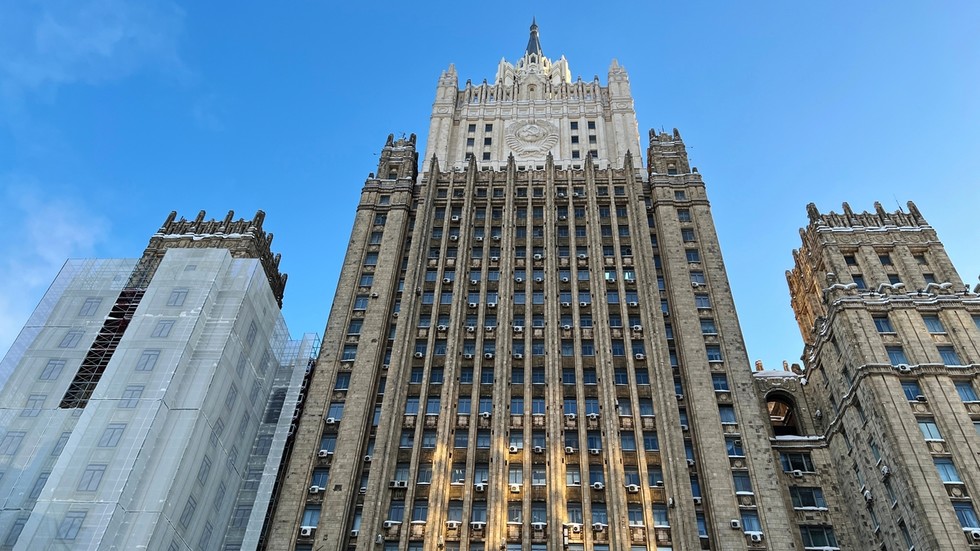
Role and positioning of Russia and other powers. Government-aligned coverage centers Russia as an active stabilizer and protector, showcasing Lavrov’s diplomacy, Putin’s outreach to regional leaders, and Moscow’s push for an emergency UN Security Council session and IAEA engagement, while casting Western states as distorting facts and sabotaging diplomacy. Opposition coverage highlights China’s role more than Russia’s, presenting Beijing as the leading defender of Iran’s sovereignty and the UN-based order, and describing calls for de-escalation in broader, less Russia-centric terms. In government reporting, Russia appears as the principal guarantor of legality and regional balance, whereas in opposition reporting Russia is one of several critical voices alongside China and other states.
Framing of broader regional and global risks. Government sources emphasize the possibility of uncontrolled global escalation, including a humanitarian, economic, and even nuclear catastrophe, and warn that more countries may seek destructive weapons in response to US-Israeli actions. Opposition outlets also warn of regional spillover and economic disruption, particularly for the global economy and energy markets, but frame these risks mainly as consequences of violating the UN Charter and sidelining the Security Council. Government narratives link the crisis to Western perfidy and previous episodes where diplomacy was allegedly sabotaged, while opposition narratives tie it to the broader erosion of rules-based multilateralism and the need to restore collective decision-making.
In summary, government coverage tends to present the strikes as a deliberate Western project of regime change and state destruction with Russia cast as the primary defender of law and regional stability, while opposition coverage tends to frame them as a grave but more systemic breach of UN norms in which China and multilateral institutions are highlighted as key advocates for sovereignty and de-escalation.