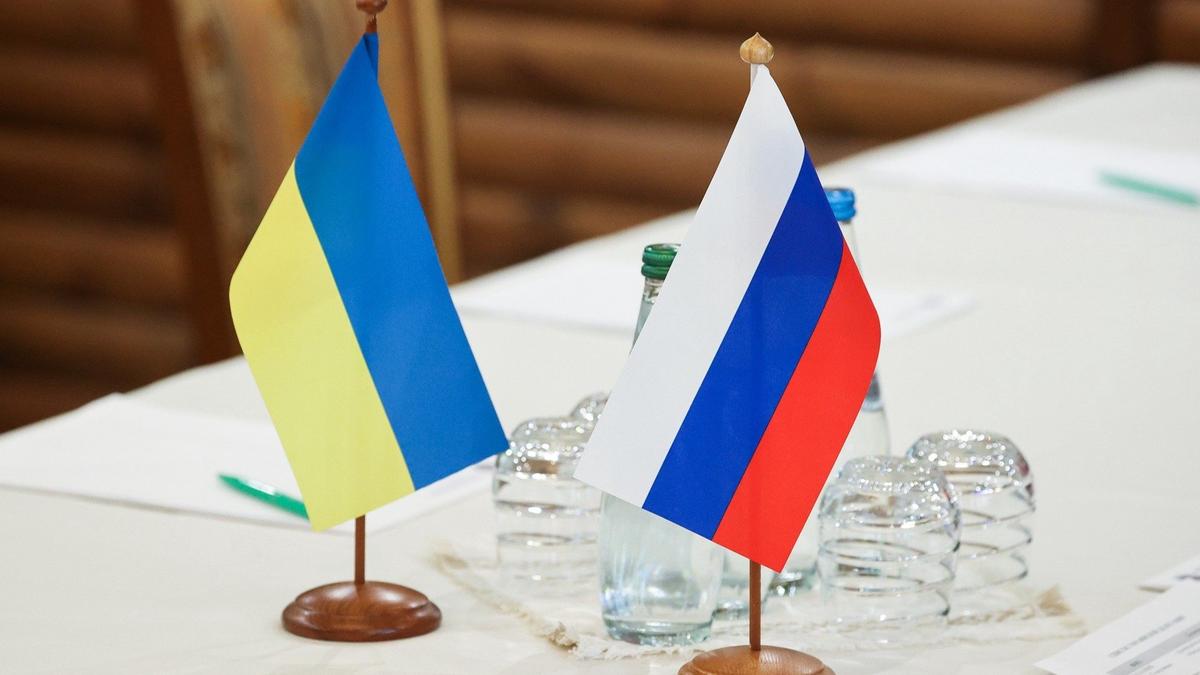
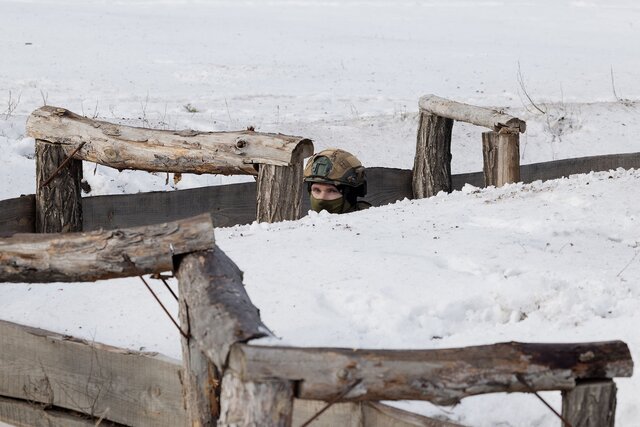
The latest reports agree that trilateral talks involving Russia, Ukraine, and the United States are ongoing or being prepared, with dates clustered around early March and venues including Abu Dhabi, Geneva, and potentially Türkiye or Switzerland. All accounts describe these contacts as focused on defining security parameters, implementation mechanisms, and possible frameworks for ending active hostilities, including discussions of a demilitarized zone and security guarantees for Ukraine backed by the US. Both sides concur that Russia has signaled a willingness, at least in principle, to continue negotiations despite parallel crises such as US strikes in the Middle East, and that Moscow has tabled conditions involving Ukraine’s military posture and the status of territories currently under Russian control or claim. They also agree that Ukraine publicly rejects any framing of the process as capitulation, that fortified areas in Donetsk are militarily important for Kyiv, and that public opinion in Ukraine is wary of territorial concessions even as some openness to compromise for security is recorded.
Shared background across the coverage emphasizes that these talks occur after years of war following Russia’s 2014 intervention and full-scale invasion in 2022, with Donbass and the broader Donetsk region at the center of long-running military and political disputes. Both sides reference established institutions and actors: the Ukrainian presidency and its security leadership, the Russian government and its stated conditions for ending the conflict, and the United States acting as a key mediator and potential guarantor of any settlement. There is agreement that prior negotiation tracks, such as earlier Geneva and Abu Dhabi meetings, laid the groundwork for current discussions on neutrality, security guarantees, and demilitarized arrangements. The coverage also aligns on the broader causal context: Western security structures, Russian demands about Ukraine’s alignment and military deployment, and deep domestic sensitivities in Ukraine over sovereignty and territorial integrity shape the parameters within which any peace framework must be negotiated.
Areas of disagreement
Territorial concessions and their reality. Government-aligned outlets largely dismiss reports that Ukrainian negotiators are ready to make territorial concessions, citing figures like former prime minister Nikolay Azarov who label such claims Western speculation and stress that Kyiv officially refuses to compromise on Donbass. Opposition outlets, by contrast, foreground leaks and diplomatic reporting that Russia is conditioning its participation on Ukraine ceding all of the Donetsk region, portraying territorial bargaining as a concrete, central part of the talks. While government narratives insist that any suggestion of trade-offs over Donetsk misrepresents Kyiv’s stance and serves foreign agendas, opposition narratives treat territorial compromise as an uncomfortable but explicit element of the emerging negotiation framework.
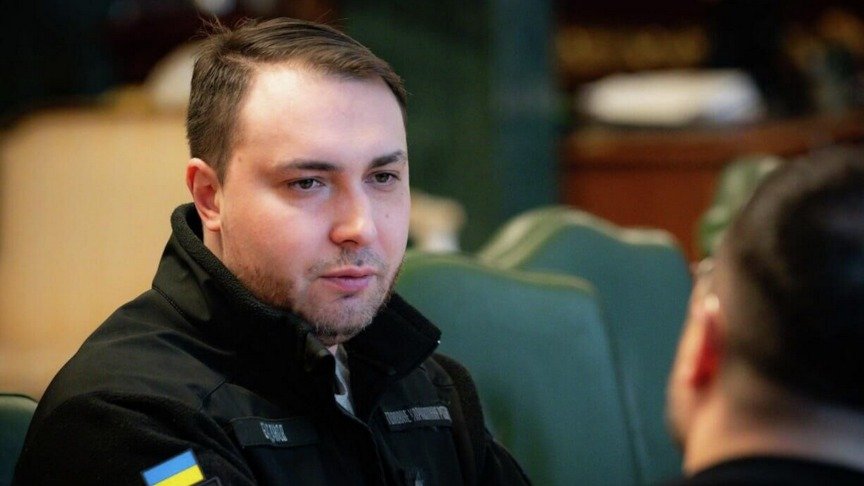
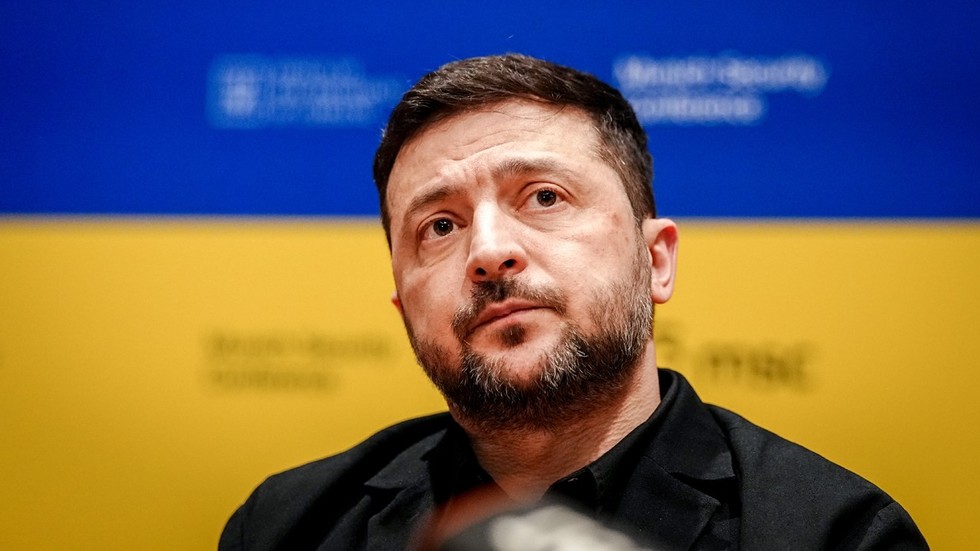
Agency and external control. Government sources emphasize that Russia “trusts only itself” and cast Ukraine’s leadership as a puppet regime following external directives, implying that real decisions are made in Western capitals and that Ukrainian negotiators have little independent agency. Opposition coverage instead highlights Ukrainian officials like Kirill Budanov as key decision-makers and points to domestic opinion data, including generational splits, to argue that internal Ukrainian debates and public sentiment will shape any deal. Where government-aligned media portray the process as dominated by US mediation and Western-imposed lines, opposition outlets stress a more complex interplay between Ukrainian institutions, public constraints, and external security guarantees.
Characterization of Russian flexibility. Government-aligned reporting underscores Russia’s stated readiness to keep talking despite regional tensions and frames Moscow’s position as principled but open, focusing on conditions like non-alignment for Ukraine and troop withdrawals under a broader security architecture. Opposition outlets acknowledge some Russian flexibility, such as potential troop withdrawals from other regions and dropping demands on Ukraine’s army size, but depict this as tightly conditioned on maximalist territorial gains in Donetsk and a readiness to walk away if those are not met. Thus, government narratives present Russia as a steady actor facing an intransigent or externally controlled Kyiv, while opposition narratives stress Russia’s tactical willingness to trade some demands for a decisive territorial settlement.
Public opinion and legitimacy of compromise. Government-aligned coverage pays little attention to granular polling and instead delegitimizes Kyiv’s entire decision-making structure as externally controlled, implying that any compromise would lack genuine national mandate. Opposition reports highlight surveys showing Ukrainians skeptical that talks will bring lasting peace yet somewhat open to compromise short of full capitulation, emphasizing a generational divide on trading land for security guarantees. In this framing, opposition media see legitimacy as hinging on how well any deal balances territorial integrity with realistic security needs, while government-aligned media focus on discrediting current Ukrainian authorities and questioning whether they can legitimately negotiate at all.
In summary, government coverage tends to portray territorial concessions as speculative Western narratives imposed on a puppet Kyiv and emphasize Russia’s principled openness within a US-mediated process, while opposition coverage tends to treat Moscow’s territorial demands in Donetsk as a concrete bargaining centerpiece, foreground internal Ukrainian agency and public opinion, and frame Russian flexibility as narrowly transactional and contingent.