government
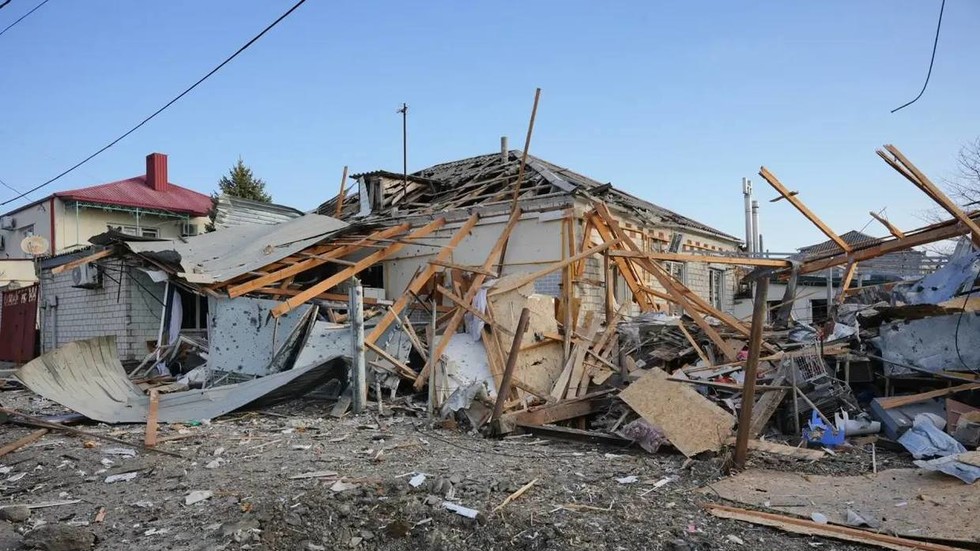
Kindergartens Damaged in Ukrainian Drone Attack on Russia (PHOTOS)
A Ukrainian drone raid on Russia’s Novorossiysk has caused widespread damage on the ground, Mayor Andrey Kravchenko has said
2 months ago
A series of overnight Ukrainian drone attacks struck the Russian Black Sea port city of Novorossiysk, with both sides reporting that five people were injured and that a state of emergency was declared in the city. Coverage agrees that several residential buildings and at least one kindergarten or daycare facility were damaged, and that a nearby oil or fuel terminal associated with the port area was hit, causing a fire. Both government-aligned and opposition outlets describe this as part of a wider wave of Ukrainian drones, with Russia’s Defense Ministry stating that air defenses intercepted or destroyed 172 drones across multiple regions between late Friday and early Saturday, many of them over the Black Sea. The timing is consistently placed around the night of March 2, and both camps report that local authorities are providing temporary shelter or other assistance to affected residents.
Outlets on both sides situate the incident within the broader pattern of Ukrainian long-range strikes against Russian energy and port infrastructure linked to the war in Ukraine, emphasizing Novorossiysk’s role as a key Black Sea port. They agree that the targeted terminal is an oil or fuel export facility associated with the port’s logistics chain, and that the attack is part of an intensifying contest over supply routes, including facilities that may support Russian naval operations. Both perspectives frame the event against the backdrop of Russia’s ongoing full-scale invasion of Ukraine and the associated escalation of cross-border strikes, and they highlight the increasing use of drones as a central tool in this phase of the conflict.
Scale and nature of damage. Government-aligned outlets emphasize widespread civilian impact, at times citing seven injured and damage to over 100 residential buildings and multiple kindergartens, presenting the attack as a major strike on civilian infrastructure. Opposition sources generally repeat the official figure of five injured and mention damage to several buildings and a kindergarten, but avoid the higher-end damage counts and do not stress large-scale devastation to housing and childcare facilities to the same extent. The result is a more expansive picture of destruction in government coverage, versus a more restrained, incident-focused depiction in opposition reporting.
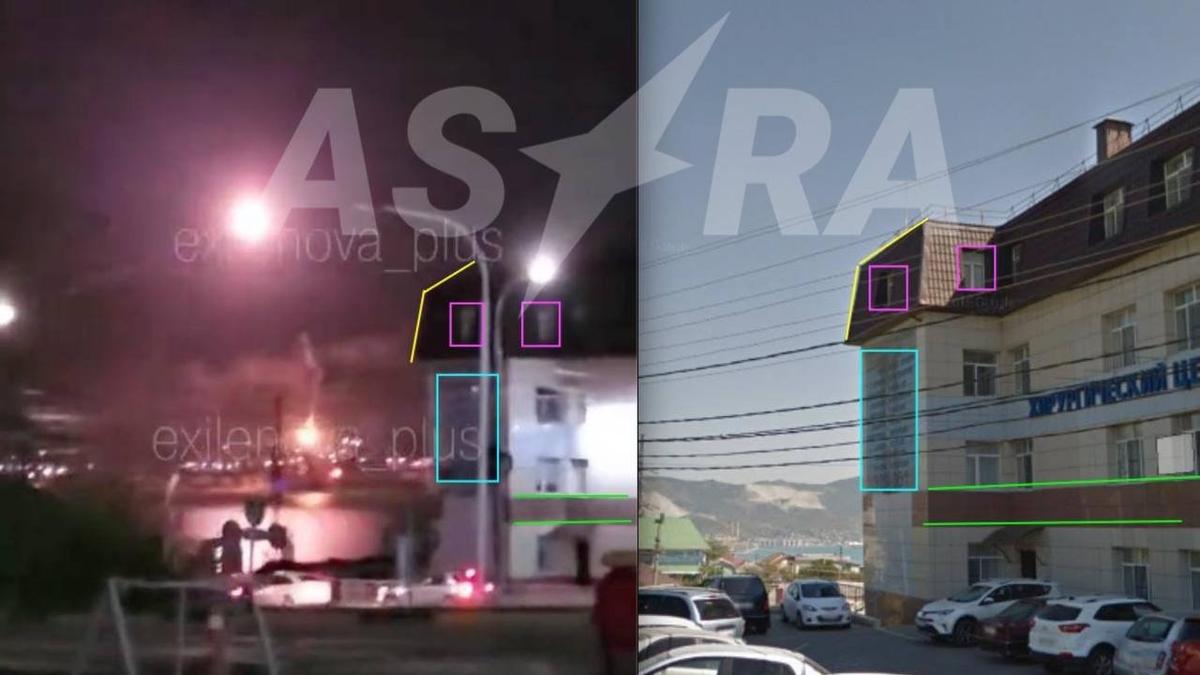
Characterization of the oil terminal. Government-aligned coverage typically labels the hit facility as a fuel terminal at the port, while stressing or echoing claims that Ukraine considers it used to refuel Russian warships, thereby underscoring the narrative that Kyiv is deliberately jeopardizing civilian infrastructure under the pretext of military necessity. Opposition outlets explicitly identify the facility as the "Shesharis" oil terminal, describing it as an important export hub and implicitly framing it as a strategic economic and logistical target, more clearly aligned with military and sanctions-related objectives. This leads government-aligned media to stress civilian risk and alleged illegitimacy of the strike, while opposition media emphasize its strategic logic against Russia’s war-supporting assets.
Framing of responsibility and legality. Government-aligned sources present the attack as an unprovoked Ukrainian aggression on Russian territory, highlighting injuries to civilians and damage to social infrastructure, and leaving questions of legality framed around the violation of Russian security and sovereignty. Opposition reporting, while acknowledging Ukrainian responsibility, tends to contextualize the strike within the ongoing war and Ukraine’s efforts to hit Russian logistics and naval-relevant infrastructure, implying that such targets are militarily relevant responses rather than arbitrary attacks on civilians. This contrast shapes a narrative in which government media stress victimhood and alleged terrorism, whereas opposition outlets lean toward a war-target framing without overtly endorsing or condemning the strike.
Assessment of air defenses and military performance. Government-aligned outlets underline the large number of intercepted drones, stressing the 172-drones figure to argue that Russian air defenses were largely effective, with damage portrayed as limited relative to the scale of the attack. Opposition media repeat the official interception numbers but give more attention to the fact that, despite these defenses, an important oil terminal was hit and caught fire, subtly highlighting vulnerabilities in Russia’s air defense coverage over critical infrastructure. Thus, government coverage uses the statistics to reinforce an image of defensive success under pressure, while opposition accounts let the successful strike itself speak to gaps in Russia’s protective capabilities.
In summary, government coverage tends to foreground civilian suffering, portray the strike as illegitimate aggression on Russian territory, and emphasize the effectiveness of Russian air defenses, while opposition coverage tends to treat the incident as a targeted blow against strategic export and naval-related infrastructure, downplay expansive damage claims, and hint at shortcomings in Russia’s ability to fully protect key assets.