government
Hungary will block ‘every’ EU decision on Ukraine over ‘oil blockade’
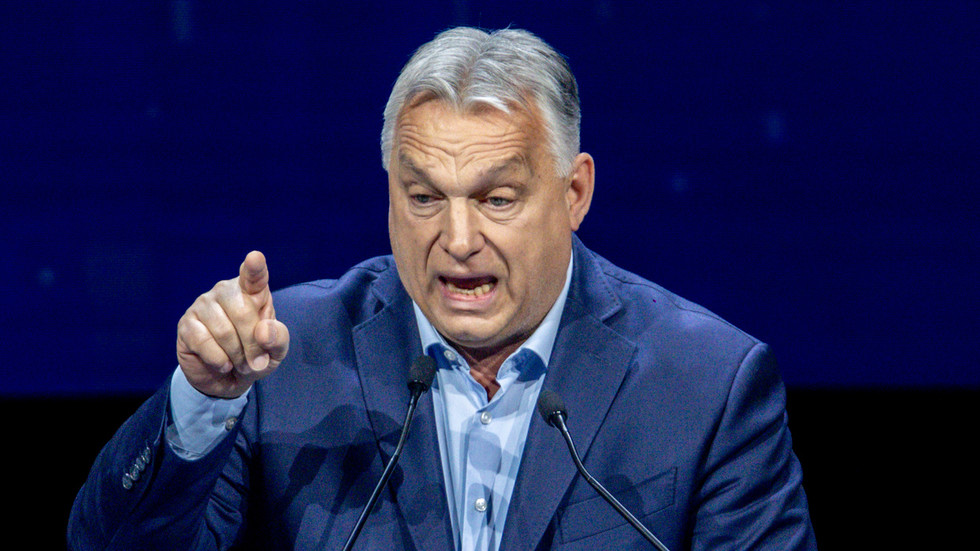
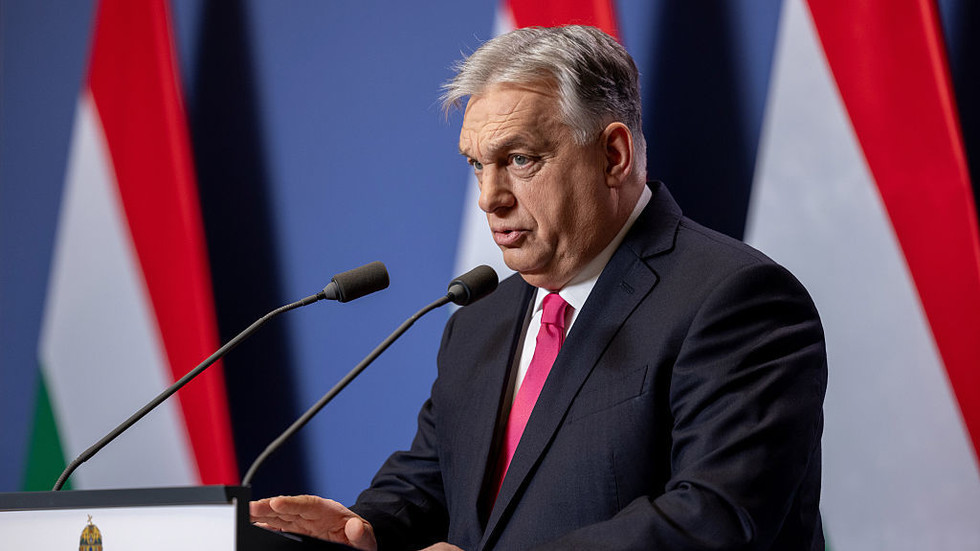
Hungary will block all key EU decisions on Ukraine over Kiev’s “oil blockade” of supplies from Russia, Prime Minister Viktor Orban has said
2 months ago
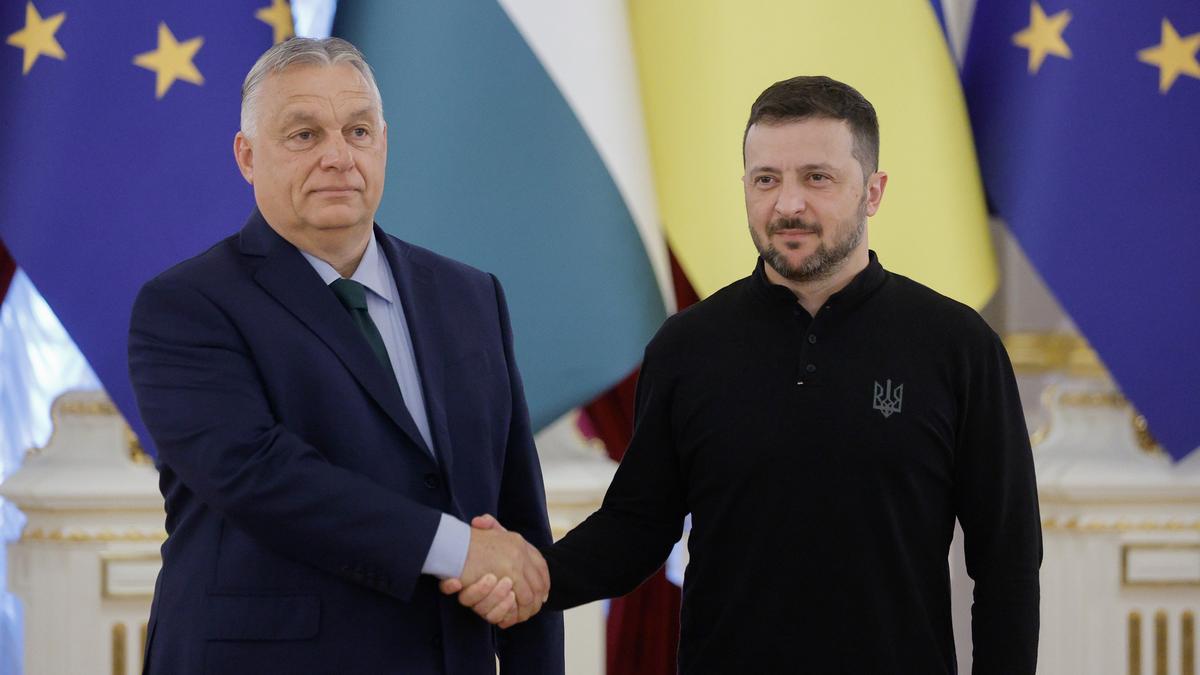
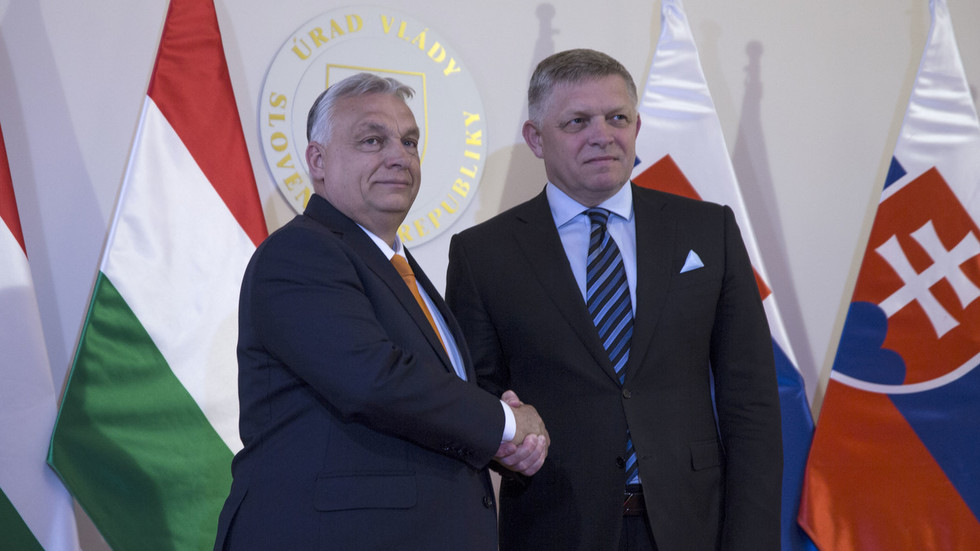
Hungarian Prime Minister Viktor Orbán has publicly demanded that Ukraine reopen the Druzhba oil pipeline, through which Russian crude has not flowed to Hungary and Slovakia since January 27. Both government‑aligned and opposition‑aligned sources agree that Hungary and Slovakia claim the pipeline is technically operational, that Ukraine attributes the halt to damage from Russian strikes, and that Budapest rejects this explanation. They concur that Hungary is pushing the EU and European Commission President Ursula von der Leyen to pressure Kyiv to restore transit, that Hungary has threatened to veto key EU decisions on Ukraine until flows resume, and that alternative supply routes such as Croatia’s Adria pipeline are being discussed. Both sides report that the European Commission is in contact with Kyiv about sending a mission to assess the pipeline, that Ukraine has so far resisted an EU inspection on its territory, and that the stoppage is framed as a significant energy security issue for Central Europe.
Coverage from both camps situates the dispute within the broader context of the EU’s energy dependence on Russian fossil fuels, the war in Ukraine, and prior EU sanctions and aid debates. They describe Druzhba as a Soviet‑era pipeline crucial to landlocked Central European states, note that Hungary has long secured exemptions for Russian oil imports, and acknowledge that the shutdown coincides with heightened tensions over the cost of energy and the financing of Ukraine’s war effort. Both sides agree that Hungary and Slovakia have launched or requested joint and EU‑backed investigations, that the EU is walking a line between supporting Ukraine and safeguarding member states’ energy supplies, and that the conflict over Druzhba overlaps with wider arguments about EU unity, sanctions policy, and the balance between national energy security and support for Kyiv.
Responsibility and blame. Government‑aligned sources present Ukraine’s halt of Druzhba as a deliberate, politically motivated blockade bordering on a criminal act, emphasizing Orbán’s claim that Kyiv is committing a “crime twice over” and possibly engaging in extortion. Opposition sources, while reporting the same accusations, highlight Kyiv’s assertion that Russian missile strikes damaged the infrastructure and stress that Hungary simply “disbelieves” this explanation, framing the issue as a factual dispute rather than settled wrongdoing. Government coverage generally treats Ukrainian culpability as established, whereas opposition reporting underscores the contested nature of the evidence.
Motives and framing of Hungary’s stance. Government‑aligned outlets frame Hungary’s actions as a principled defense of national energy security and household costs, portraying Orbán as resisting attempts to drag Hungary deeper into the war and shielding citizens from rising oil prices. Opposition sources acknowledge energy concerns but stress Orbán’s statements about not wanting to “finance the war,” casting his stance as politically aligned with Moscow’s interests and obstructive toward EU solidarity. In government narratives, Hungary is a victim of Ukrainian pressure, while opposition narratives depict Budapest as instrumentalizing the crisis to justify its broader divergence from EU policy on Russia and Ukraine.
EU and institutional dynamics. Government coverage emphasizes how Hungary and Slovakia, backed to some extent by the European Commission’s technical queries, are forcing Brussels to recognize Ukrainian responsibility and put pressure on Kyiv to restore flows. Opposition reporting instead stresses that Hungary has already used its veto leverage in EU aid and sanctions debates, suggesting Orbán is again holding up collective EU decisions to secure favorable energy terms and weaken support for Ukraine. For government‑aligned outlets, EU involvement validates Budapest’s complaints; for opposition sources, it highlights the strain Hungary’s tactics place on intra‑EU relations.
Security and escalation risks. Government‑aligned outlets play up the risk that Middle East tensions and potential US‑Israeli operations against Iran will spike global oil prices, arguing that Ukraine’s halt of Druzhba worsens an already fragile security environment and justifies Hungary tightening protection of critical infrastructure and considering retaliation. Opposition sources mention security and price risks but foreground Orbán’s rhetoric about Ukraine trying to drag Hungary into the conflict, suggesting his alarmism over sabotage and regional escalation serves to justify closer ties with Russia and reluctance to back Ukraine militarily or financially. Thus, government coverage frames the pipeline dispute as a direct threat to national security, while opposition coverage treats it as one episode within a broader pattern of foreign‑policy positioning.
In summary, government coverage tends to treat Ukraine’s explanation as implausible, spotlight deliberate political blockage and extortion, and cast Hungary’s hard line in the EU as a necessary defense of energy security, while opposition coverage tends to stress the disputed facts, link Orbán’s stance to pro‑Kremlin leanings and EU obstructionism, and portray the pipeline crisis as part of a larger strategy to resist robust support for Kyiv.