government
Top Kenyan diplomat sees good prospects for cooperation with Russia
Musalia Mudavadi pointed out the possibilities of expanding trade between the states
a month ago
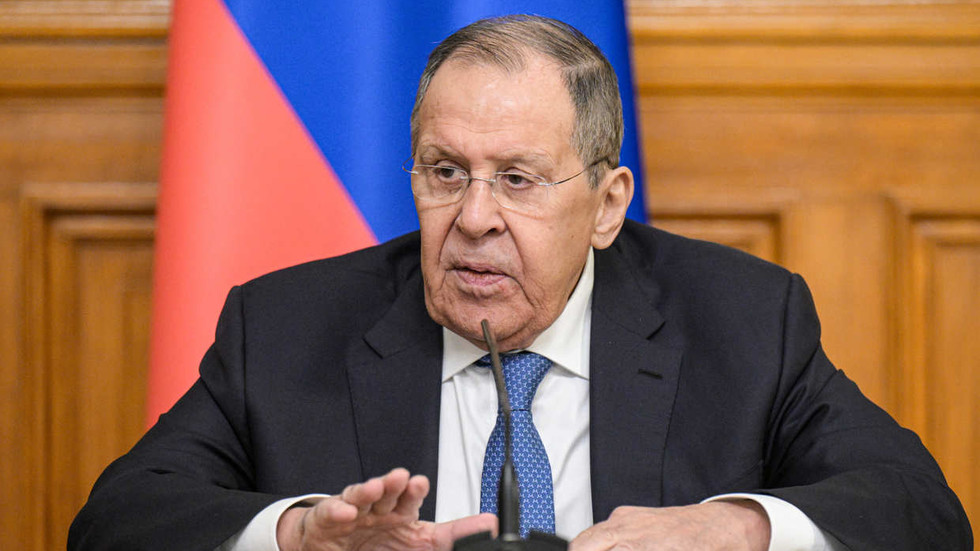
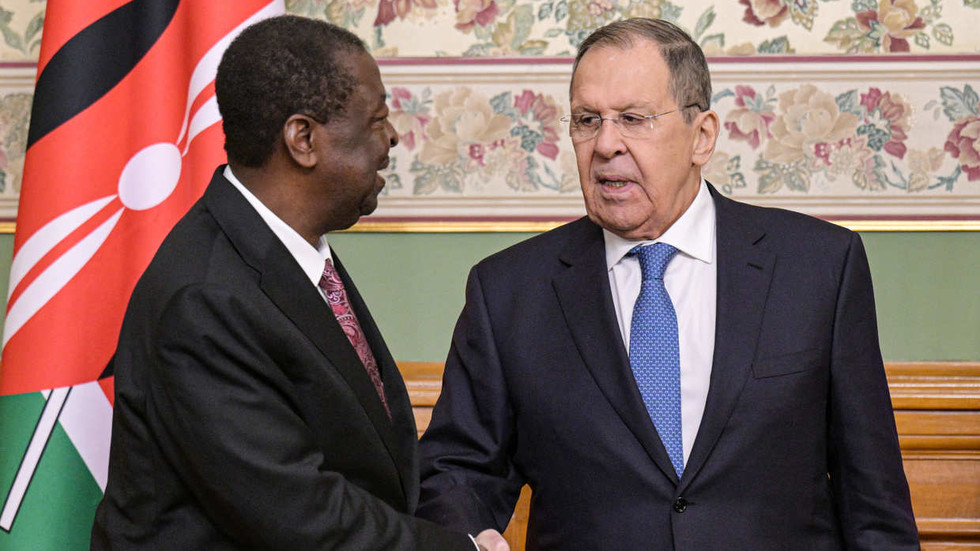
Russian Foreign Minister Sergey Lavrov and Kenyan Foreign Minister Musalia Mudavadi held talks in Moscow, where both sides publicly emphasized strengthening bilateral relations. They highlighted existing trade, currently estimated around $500 million, and discussed expanding economic, security, counterterrorism, educational, humanitarian, and energy cooperation, including potential Russian investment and nuclear energy expertise to help Kenya meet its projected manufacturing power demand of 10,000 megawatts in the next decade. The ministers agreed to accelerate the preparation of documents aimed at deepening their partnership and to enhance coordination in international organizations.
Shared context across both types of coverage situates the meeting within a broader Russia–Africa engagement agenda, including preparations for the third Russia–Africa Summit, planned for autumn 2026 and expected to be held in Moscow. Both sides acknowledge Kenya’s interest in attracting foreign investment and diversifying energy sources, and recognize Russia’s search for new economic and diplomatic partners amid global tensions. The meeting is presented as part of ongoing diplomatic contacts between Russia and African states, linking bilateral ties with wider regional blocs and multilateral forums.
Primary agenda and significance. Government-aligned outlets frame the Moscow talks as a major step in deepening a strategic partnership, stressing upgraded political dialogue, economic expansion, and coordination ahead of the 2026 Russia–Africa Summit. Opposition coverage, by contrast, treats the most consequential outcome as Russia’s agreement to stop recruiting Kenyan citizens to fight in Ukraine, suggesting the visit was driven by an urgent consular and human-rights concern rather than long-term strategic alignment. While government sources emphasize opportunity and momentum, opposition reporting emphasizes damage control and protection of Kenyan nationals.
Characterization of security issues. Government media highlight security and counterterrorism cooperation in broad, cooperative terms, linking Russia–Kenya dialogue to regional stability and multilateral problem-solving, and integrating Ukraine only through Lavrov’s narrative that Russia is committed to a diplomatic resolution. Opposition sources foreground Ukraine in a different way, presenting Russian recruitment of Kenyans for the war as a concrete security and ethical problem to be curtailed, and implying that Moscow’s assurances are a response to Kenyan and domestic pressure rather than a shared strategic vision. Thus, government narratives elevate abstract security cooperation, whereas opposition accounts zoom in on the specific security risks to Kenyan citizens.
Portrayal of Russia’s role and leverage. Government-aligned coverage depicts Russia as a reliable partner offering investment, nuclear technology, and diplomatic support, casting the relationship as mutually beneficial and forward-looking, with Kenya inviting Russian businesses and seeking closer engagement. Opposition reporting implicitly portrays Russia as having exploited asymmetries in the relationship by recruiting Kenyans into its armed forces, with Mudavadi’s announcement presented as a negotiated constraint on Russian behavior rather than a sign of deepening trust. The result is a contrast between a narrative of Russia as an opportunity provider and one of Russia as a power that needs to be checked and regulated.
Domestic political framing in Kenya. Government-friendly narratives stress national development goals—energy security, industrial growth, and enhanced international stature—suggesting that closer ties with Russia align with Kenya’s long-term policy agenda and regional diplomacy. Opposition accounts, however, anchor the story in domestic discontent from families of recruited Kenyans and frame the minister’s success in halting recruitment and securing consular assistance as a response to grassroots pressure and public concern. Where government coverage underscores elite-level diplomacy and economic planning, opposition coverage stresses accountability to citizens and vigilance about how foreign policy choices affect ordinary Kenyans.
In summary, government coverage tends to portray the Moscow meeting as a broadly positive, future-oriented expansion of Russia–Kenya cooperation across trade, energy, security, and multilateral diplomacy, while opposition coverage tends to cast it primarily as a necessary intervention to stop Russian recruitment of Kenyans for the war in Ukraine and to mitigate the risks of closer engagement with Moscow.