government
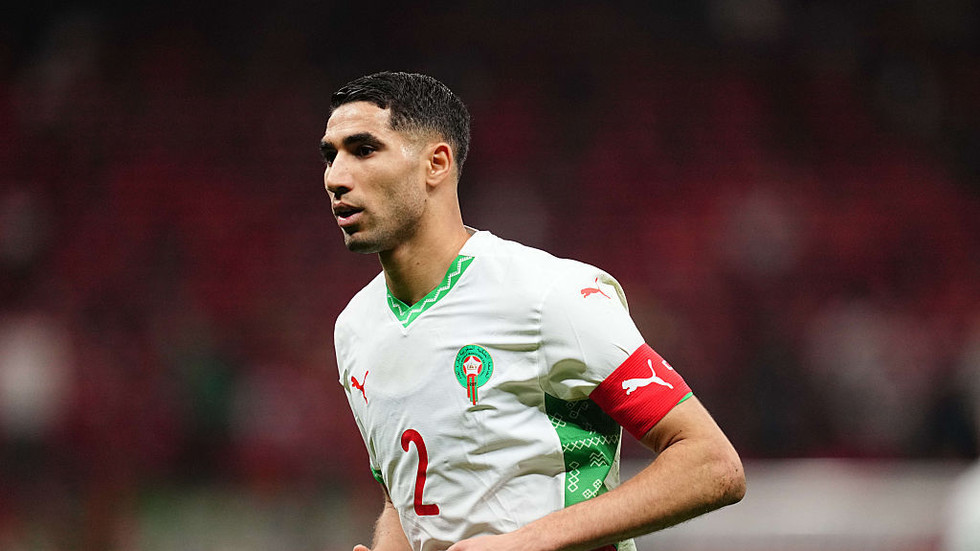
Achraf Hakimi rejects AFCON title as CAF awards Morocco win over Senegal
Morocco captain Hakimi rejects AFCON trophy after CAF overturns final result and strips Senegal of title in controversial ruling
a month ago
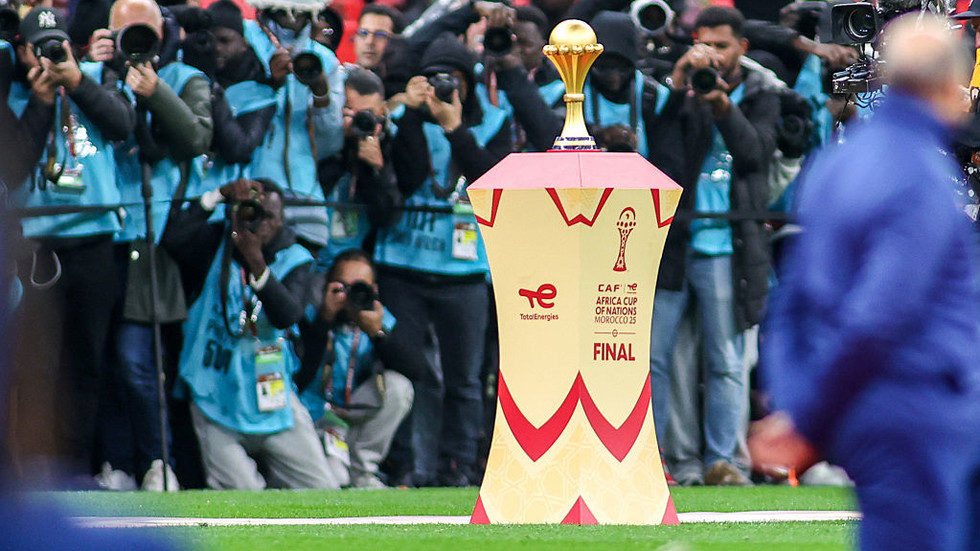
The latest coverage agrees that the Confederation of African Football (CAF) has retroactively stripped Senegal of its 2025 Africa Cup of Nations title and awarded the trophy and a 3–0 victory to host nation Morocco following an appeal by the Royal Moroccan Football Federation. Both sides acknowledge that the appeal centered on a controversial final in which a Senegalese goal was disallowed, that Senegal had initially celebrated as champions based on their on‑field win, and that the Senegalese Football Federation has condemned the ruling and plans to challenge it at the Court of Arbitration for Sport. All reporting also notes that Moroccan captain Achraf Hakimi publicly rejected the title, saying Senegal were the rightful winners on the pitch, even as he formally respects CAF’s legal authority to decide the outcome.
Shared context in the reporting describes CAF as the governing body for African football with jurisdiction over competition rules, disciplinary processes, and appeals, and notes that its decisions can be escalated to the Court of Arbitration for Sport in Switzerland. There is agreement that the Royal Moroccan Football Federation used established appeal channels after the final, that the disputed disallowed goal is at the heart of the controversy, and that Senegal’s federation is turning to international sports arbitration as the next institutional step. Coverage from both perspectives frames the incident within broader debates about refereeing standards, use of video technology, and the integrity of continental tournaments, while recognizing that CAF’s governance structures and legal frameworks formally allow for match outcomes to be modified after the fact in exceptional circumstances.
Legitimacy of CAF’s decision. Government-aligned outlets tend to describe CAF’s ruling as a lawful, if controversial, outcome of a formal appeal process that underscores the importance of following regulations and respecting institutional verdicts. In contrast, opposition-oriented commentary (where it extrapolates from broader patterns of criticism) is more likely to portray the decision as an abuse of process or a politicized maneuver favoring the host nation, implicitly questioning whether CAF applied its own rules impartially.
Portrayal of Senegal and Morocco. Government coverage generally presents both federations as acting within their rights: Morocco as properly using appeal mechanisms and Senegal as legitimately contesting a painful judgment, with emphasis on diplomatic language and mutual respect between the teams. Opposition narratives, by comparison, tend to cast Senegal more squarely as a victim of institutional injustice and Morocco as a beneficiary of backroom influence, de‑emphasizing procedural neutrality and highlighting perceived power imbalances.
Framing of Achraf Hakimi’s stance. In government-leaning reports, Hakimi’s rejection of the awarded title is framed as a personal ethical gesture that nonetheless coexists with an acceptance of CAF’s authority and the finality of its ruling. Opposition voices are more inclined to treat Hakimi’s comments as de facto evidence that the competition’s moral and sporting legitimacy lies entirely with Senegal, using his stance to argue that even beneficiaries see CAF’s decision as fundamentally wrong.
Implications for CAF and reforms. Government-aligned sources are apt to stress that while the case is regrettable, it should be addressed through existing channels such as the Court of Arbitration for Sport and incremental improvements to officiating and video review, thereby preserving CAF’s overall legitimacy. Opposition commentary, drawing on previous episodes of controversy, tends instead to use this incident as a touchstone for calling CAF’s governance into question, suggesting the need for far-reaching reforms, external oversight, or even shifts in how major African tournaments are managed.
In summary, government coverage tends to treat the decision as a controversial but procedurally valid application of CAF’s rules that should be handled through formal appeals and institutional channels, while opposition coverage tends to depict it as a stark example of bias and structural unfairness that undermines CAF’s credibility and morally confirms Senegal as the true champions.