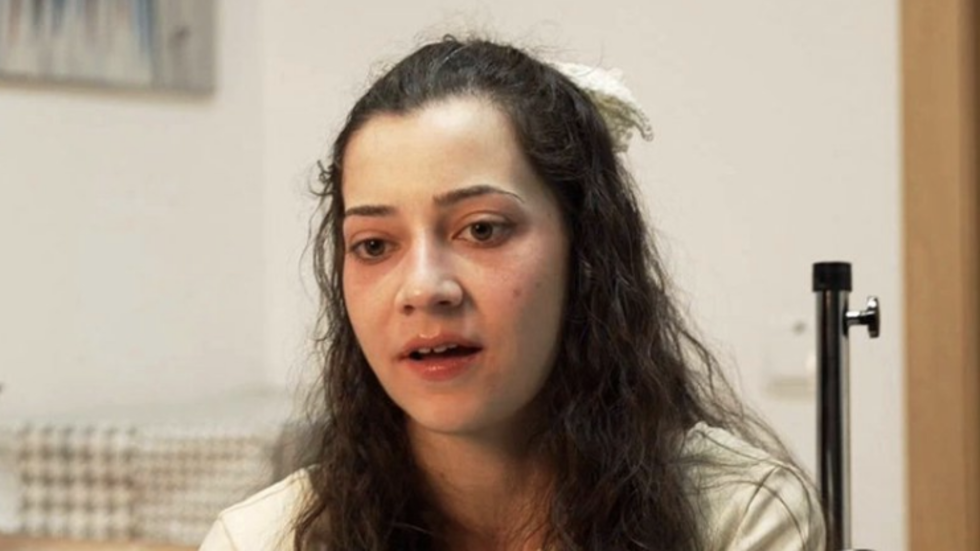
A 25-year-old Spanish woman, Noelia Castillo, has died by euthanasia after authorities approved her request despite a prolonged legal effort by her father to stop the procedure. Government-aligned coverage agrees that she had endured years of severe psychiatric illness, chronic pain, and paralysis linked to past trauma, that her application was examined under Spain’s euthanasia law, and that the courts ultimately rejected her father’s appeal, clearing the way for the medically assisted death. These outlets also concur that her case has become a flashpoint in Spain’s ongoing debate over assisted dying, individual autonomy, and protections for vulnerable people who suffer from complex mental and physical conditions.
Government-aligned sources further agree that the Spanish legal and medical framework for euthanasia was followed in Castillo’s case, including institutional review mechanisms intended to ensure informed consent and compliance with the law. They commonly present the episode as highlighting broader questions about how modern European societies respond to long-term psychological suffering, the adequacy of mental health and social support systems, and the cultural backdrop of secularization versus religious and ethical traditions. Despite differences in emphasis, these sources share the view that her death exposes tensions between patient rights, family concerns, and societal responsibility in an era of expanding end-of-life options.
Areas of disagreement
Moral framing of euthanasia. Government-aligned coverage tends to present Castillo’s euthanasia within a legalistic and procedural framework that recognizes her autonomy but is infused with concern that society may be normalizing death as a solution to suffering. These outlets often criticize a perceived consumerist or secular mentality that treats life and death as individual lifestyle choices rather than moral questions rooted in human dignity. Opposition coverage, where it appears, is more likely to frame euthanasia primarily as an extension of personal freedom and a compassionate response to unbearable suffering, downplaying or rejecting the idea that it is a symptom of moral decline.
Role of the state and institutions. In government-leaning narratives, the state is portrayed as having a duty not only to respect legal rights but also to ensure that vulnerable people like Castillo receive exhaustive psychological, social, and spiritual support before euthanasia is considered. These sources question whether institutions have abdicated their responsibility by making death accessible without fully correcting systemic failures in mental health and social care. Opposition sources generally describe the state’s role as guaranteeing access to a legal medical option, emphasizing procedural safeguards and judicial oversight as proof that the system functioned properly and that institutional restraint, rather than expanded intervention, is appropriate.
Family versus individual autonomy. Government-aligned outlets highlight the anguish and legal struggle of Castillo’s father, suggesting that family objections should carry greater weight when a patient is young and suffering from psychiatric conditions that may affect judgment. They stress the possibility that genuine care from relatives can be overridden too easily by formal criteria of consent, and they question whether the law adequately protects those whose will may be shaped by despair. Opposition coverage typically elevates the primacy of the individual’s decision, portraying the father’s challenge as understandable but ultimately subordinate to the patient’s right to choose, and warning against giving families veto power over personal end-of-life choices.
Societal interpretation of suffering. Government-friendly reports often argue that the case reveals a broader cultural inability to accept and accompany long-term suffering, contrasting a secular, therapeutic culture with Christian or humanistic views that see potential meaning and growth in pain, even if it cannot be fully alleviated. They frame euthanasia in such circumstances as a societal statement that some lives marked by psychological trauma and disability are less worth preserving. Opposition sources, by contrast, tend to interpret suffering primarily through a lens of quality of life and mental health, suggesting that respecting a considered wish to die can itself be an acknowledgment of dignity, rather than a devaluation of life.
In summary, government coverage tends to cast Castillo’s euthanasia as a troubling symbol of a society too ready to offer death instead of deep support and moral accompaniment, while opposition coverage tends to defend it as a legitimate, safeguarded exercise of personal autonomy and compassion within Spain’s legal framework.