government
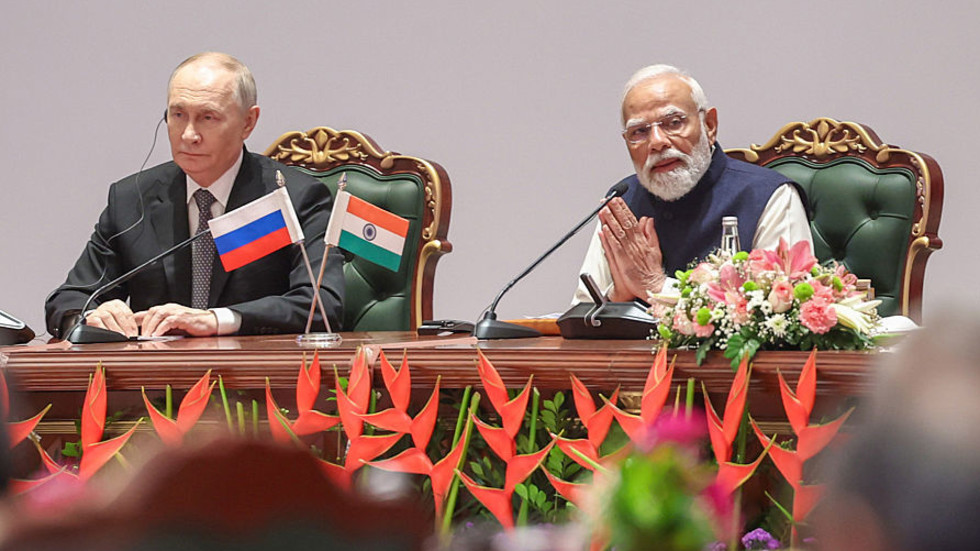
Russia, India discussing LNG, LPG supplies
Both sides expressed readiness to increase LNG supplies
24 days ago
India and Russia are holding talks on new long‑term arrangements for liquefied natural gas (LNG) and potentially liquefied petroleum gas (LPG) supplies, with discussions involving governments and energy businesses in both countries. Coverage notes that Russia has already become a major supplier of crude oil to India since 2022, and that the current round of talks aims to expand this energy relationship into LNG and LPG, which are important for India’s power and household fuel needs.
Reports agree that these discussions are taking place against a backdrop of elevated global energy prices linked to Middle East tensions and concerns over possible disruption of routes such as the Strait of Hormuz, which heighten India’s energy security concerns. Outlets also concur that Western sanctions on Russia form part of the context for any expanded LNG trade, and that both sides are exploring mechanisms and commercial structures that would allow Russian LNG and LPG to reach India in larger volumes while involving private and state‑owned firms in follow‑on negotiations.
Strategic framing. Government‑aligned sources portray the LNG and LPG talks as a pragmatic step to secure affordable energy and diversify supplies amid geopolitical turbulence, stressing continuity with India’s long‑standing policy of strategic autonomy. Opposition narratives are more likely to frame the same negotiations as a risky deepening of dependence on a sanctioned supplier that could narrow India’s diplomatic room for maneuver with Western partners. Where pro‑government coverage stresses opportunity and resilience, critics highlight potential costs to India’s broader foreign policy balance.
Sanctions and compliance. Government‑leaning coverage emphasizes that India will remain formally compliant with international law and that it is operating within the letter of existing sanctions regimes, suggesting that any deal can be structured to avoid direct violations. Opposition‑oriented voices instead underscore the political optics and secondary‑sanctions risks, arguing that even technically compliant deals could attract Western scrutiny and complicate financial and shipping arrangements. Thus, government narratives downplay sanctions as a manageable technical challenge, while opposition accounts treat them as a central strategic hazard.
Economic impact. Government‑aligned outlets highlight potential benefits such as lower fuel import bills, more stable LNG and LPG supplies for households and industry, and insulation from price spikes driven by Middle East crises. Opposition coverage tends to question whether long‑term tie‑ups with Russia will actually translate into lower end‑user prices, raising concerns about overreliance on a single partner and possible hidden costs in transport, insurance, or financing due to sanctions. Government narratives foreground near‑term energy security and affordability, whereas opposition narratives stress long‑run vulnerability and opaque economic trade‑offs.
Diplomatic signaling. Pro‑government sources generally present the talks as a reaffirmation of the India‑Russia strategic partnership that does not undermine relations with the United States or Europe, framing India as an independent actor engaging all major powers. Opposition voices are more inclined to see the timing and visibility of the talks as a signal that could be misread in Western capitals, potentially complicating defense and technology cooperation or climate‑finance discussions. In this way, government coverage emphasizes diplomatic continuity and balance, while opposition coverage warns of reputational costs and mixed messaging on the global stage.
In summary, government coverage tends to cast the LNG and LPG talks as a logical, manageable, and beneficial extension of India‑Russia energy cooperation that strengthens India’s energy security, while opposition coverage tends to stress the diplomatic, economic, and sanctions‑related risks of deepening energy ties with a heavily sanctioned Russia.