government
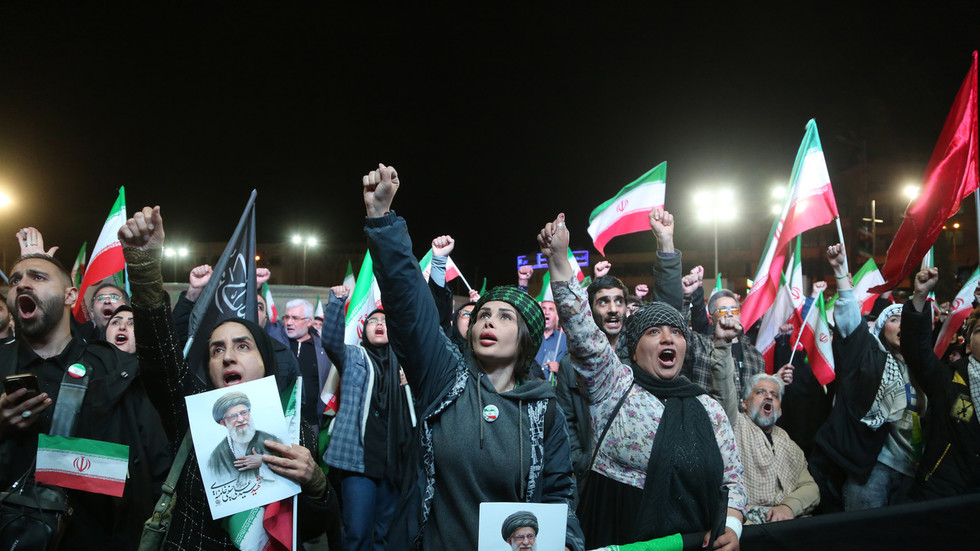
RT’s team follows the 31st day of the US-Israeli war on Iran as Washington claims “talks continue”
RT’s team gives you the latest updates on the 31st day of the US-Israeli war on Iran as Washington claims “talks continue”
19 days ago
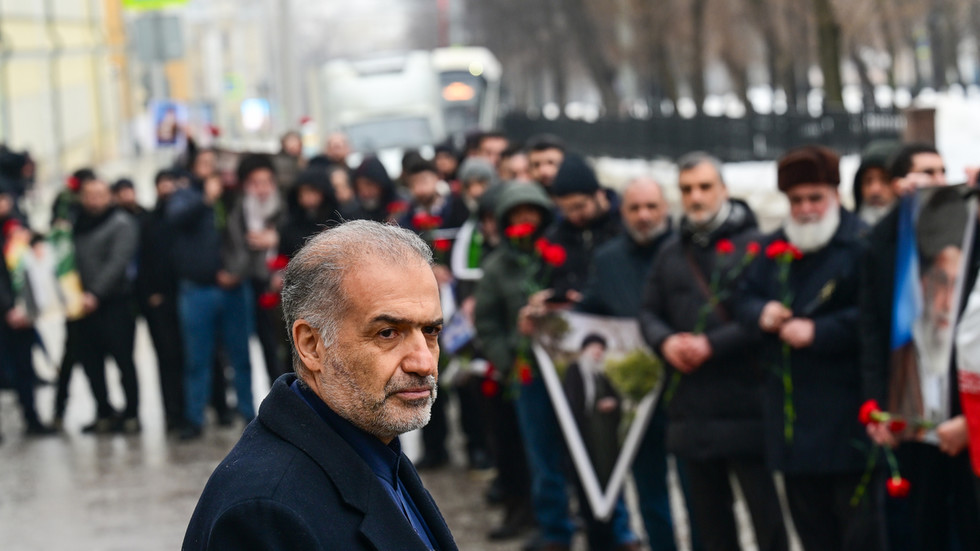
Iranian and US officials are offering conflicting public accounts about whether peace talks are underway, but both government-aligned and opposition-leaning narratives agree on several concrete facts: there have been recent claims from Washington that talks with a senior Iranian figure are ongoing and progressing, while senior Iranian diplomats, including the Foreign Ministry spokesperson and the ambassador to Russia, publicly deny any such negotiations. Both sides acknowledge that the US has floated a detailed peace-related proposal, described as a 15-point plan delivered via Pakistan and touching on Iran’s missile program, nuclear activities, and regional navigation issues, and that this is unfolding in the shadow of a broader US-Israeli military campaign, including strikes in Tehran and the deployment of thousands of US paratroopers to the Middle East. They also concur that former President Trump has publicly asserted that Tehran is in contact with Washington, that the contact is not with the supreme leader or his son, and that there have been recent backchannel or indirect exchanges whose details are not fully disclosed. Both perspectives further agree that key Iranian officials insist they have not held talks with the US in recent weeks, while Washington claims there is communication with a “top person” in Iran and hints that information about these contacts might not be shared across the entire Iranian leadership.
Across both government and opposition coverage, there is shared recognition that these denials and confirmations are part of a long-running pattern in US-Iran relations, where backchannel contacts sometimes coexist with harsh public rhetoric and mutual distrust. The coverage broadly agrees that Iran’s posture is shaped by past experiences of negotiations over its nuclear program, which Iranian officials describe as having been accompanied by attacks and pressure they interpret as betrayal, reinforcing their suspicion that current US peace initiatives could be a ploy. Both sides situate the current dispute within the institutional framework of US executive decision-making on Iran policy, Israeli security concerns, and Iran’s own power structure, where not all factions or officials may be aware of, or willing to acknowledge, sensitive diplomatic channels. There is also consensus that domestic political incentives in Washington, including concerns over energy prices and regional stability, intersect with Tehran’s desire to appear rational and reluctant to seek war, creating a shared context in which public denials, indirect proposals, and media messaging all serve as tools in a high-stakes regional confrontation.
Existence and scope of talks. Government-aligned sources heavily emphasize Iranian officials’ categorical denials, insisting there have been no talks for weeks and portraying US claims as fabrications or misunderstandings, whereas opposition outlets tend to treat Washington’s statements as evidence that some form of dialogue or backchannel is in fact active. Government narratives stress that even the idea of negotiations is being falsely promoted by US leaders like Trump for political gain, while opposition coverage is more willing to credit US descriptions of “ongoing” and “progressing” talks and question whether Tehran is hiding or downplaying contact. This leads government-linked media to present a picture of diplomatic vacuum imposed by US bad faith, while opposition voices depict a murkier reality in which both sides are talking but not fully transparent.
Motives and credibility. Government sources frame US and Israeli leaders as manipulative actors using talk of negotiations to justify pressure campaigns, manage energy prices, and prepare or mask military strikes, thereby casting American statements about peace overtures as fundamentally untrustworthy, while opposition coverage more often questions the sincerity and consistency of Iran’s own leadership. In government-aligned reporting, Trump is portrayed as “negotiating with himself,” inventing talks for domestic audiences, but opposition outlets highlight Tehran’s selective disclosure and the likelihood that factions within Iran benefit from denying contacts to preserve ideological purity or avoid accountability. Thus, government coverage concentrates blame for misinformation on Washington, whereas opposition media distribute skepticism toward both capitals, with particular focus on Iranian state narratives.
Framing of military escalation. Government-aligned media present the US-Israeli strikes, including attacks in Tehran and deployments of US paratroopers, as proof that Washington cannot be trusted as a genuine peace partner and instead uses the rhetoric of talks alongside aggressive military actions, while opposition reporting is more inclined to depict these escalations as partly driven by Tehran’s own regional policies and refusal to engage transparently. In the government narrative, Iran’s retaliatory actions and the deaths of key leaders are cited as justification for rejecting negotiations branded as a ruse, whereas opposition outlets suggest that ongoing secrecy and hardline positioning in Tehran may be heightening the risk of further conflict. As a result, government coverage treats military pressure as undermining any claims of peace efforts, while opposition coverage presents it as both a consequence and a driver of Iran’s strategic choices.
Characterization of Iran’s negotiating posture. Government-aligned sources highlight statements that Iran is a rational actor that does not seek war and has “no need” for talks under current conditions, while keeping the door theoretically open if proper conditions arise, whereas opposition media tend to portray this posture as inflexible and potentially self-defeating. In the government narrative, rejecting talks is a principled response to past US betrayals and an essential defense of sovereignty and regional standing, but opposition outlets frame it more as a tactical posture aimed at domestic audiences, masking internal debates and missed opportunities for de-escalation. Consequently, government coverage stresses dignity and prudence in Iran’s refusal, while opposition coverage emphasizes the costs and contradictions of maintaining such a stance amid mounting regional risks.
In summary, government coverage tends to underscore Iranian denials, portray US talk of negotiations as deceptive, and cast Tehran’s refusal to engage as a rational response to hostile military and political pressure, while opposition coverage tends to accept that some form of dialogue likely exists, question the transparency and flexibility of Iran’s leadership, and emphasize how both sides’ mixed messaging and escalation contribute to ongoing instability.