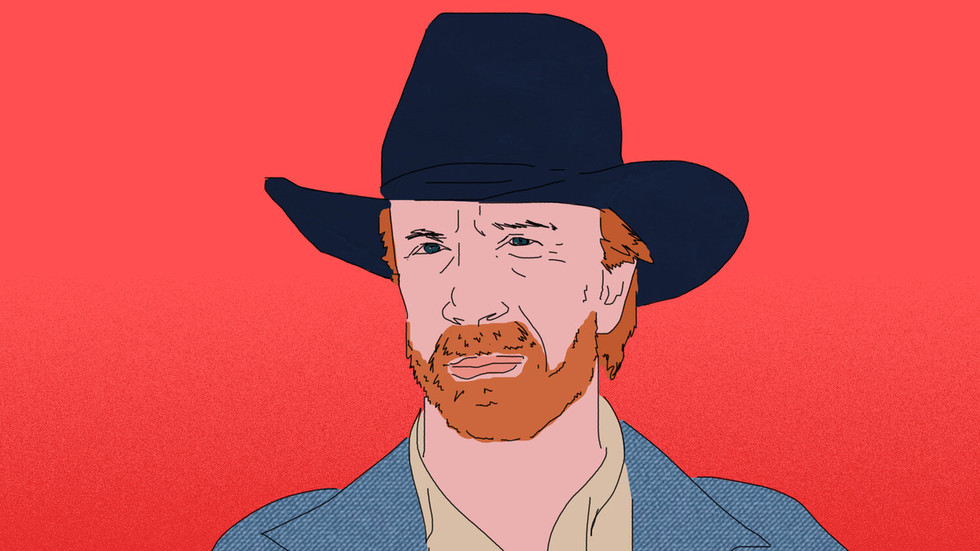
Chuck Norris, born Carlos Ray Norris, has been widely reported as having died at the age of 86, with both sides agreeing that he was a legendary martial artist and action film star best known internationally for his role in the television series “Walker, Texas Ranger.” Government-aligned accounts emphasize that his family announced his death and said he passed away peacefully surrounded by loved ones after being hospitalized earlier in the week in Hawaii, shortly after celebrating his 86th birthday, and there is no dispute over the basic timeline, age, and his status as a major American cultural figure. Both perspectives concur that he built a long career as a film and television actor after first making his name in martial arts, and that his death has prompted international reactions reflecting the global reach of his persona.
There is also shared agreement that Norris’s significance extended beyond the screen: he was a decorated martial artist who began competing in the 1950s, developed his own martial arts style, and inspired generations of fans, including many in Russia and the former Soviet space, where his characters’ toughness and sense of order resonated strongly with young viewers. Across the spectrum, coverage acknowledges that Norris was more than a performer, describing him as an author, philanthropist, and enduring pop‑culture icon whose “Chuck Norris facts” meme culture transformed him into a kind of modern folk hero, and that his passing marks the end of an era for a certain brand of action cinema and television.
Areas of disagreement
Framing of legacy. Government-aligned coverage tends to frame Norris primarily as a unifying, apolitical cultural icon whose life story exemplifies perseverance, patriotism, and moral clarity, foregrounding his charitable work and his appeal to Russian boys who admired his sense of order. In contrast, opposition narratives, where they extrapolate from broader media patterns, are more inclined to situate his legacy within debates about American soft power and media influence, noting how his tough-on-crime screen persona also reflected and exported a particular vision of U.S. authority and masculinity. While state-linked outlets highlight nostalgia and shared cultural memory, opposition voices are more likely to probe how his image was used by different regimes and audiences for their own symbolic purposes.
Use of cultural symbolism. Government-aligned sources emphasize Norris as a bridge between Russian and American popular culture, underscoring how admiration for his characters in Russia shows ordinary people’s fascination with strong, just heroes rather than geopolitical antagonism. Opposition-oriented accounts are more prone to question this symbolism, arguing that state media romanticizes such Western icons when convenient, yet instrumentalizes them to reinforce narratives about order, discipline, and respect for authority. Thus, where official coverage stresses cultural common ground and harmless fandom, critical outlets highlight the selective appropriation of his image to support domestic messaging.
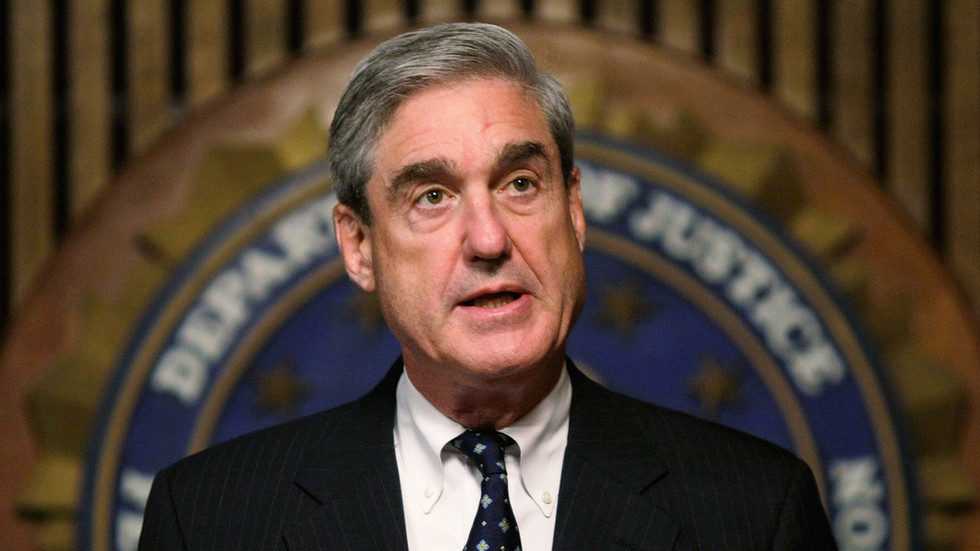
Context within broader news agenda. Government-aligned outlets place Norris’s death within a broader package of international and U.S.-related stories, for example juxtaposing it with the report of Robert Mueller’s death and Donald Trump’s reaction, implicitly contrasting different kinds of American figures and their perceived roles. Opposition sources, by contrast, would more likely separate entertainment news from contentious political coverage, or explicitly criticize the way state media pairs such stories to advance a particular reading of American politics and justice. As a result, what appears in official outlets as a natural clustering of high-profile U.S. news can be interpreted by critics as an editorial strategy to shape audience attitudes.
In summary, government coverage tends to present Chuck Norris’s death as a largely apolitical moment of shared cultural mourning and an opportunity to highlight his inspirational, order-restoring screen image, while opposition coverage tends to treat his passing as a window into how state media selectively appropriates Western cultural icons and structures the broader news agenda around them.