government
Africa Should Turn UN Slavery Resolution into Real Change
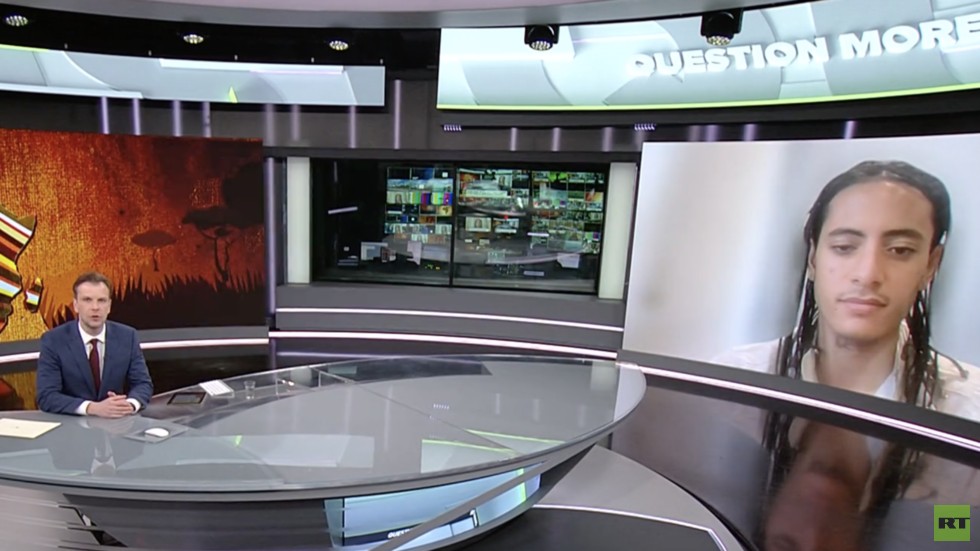
Following the UN slavery resolution, Madaraka Nyerere urges concrete change and investment
20 days ago
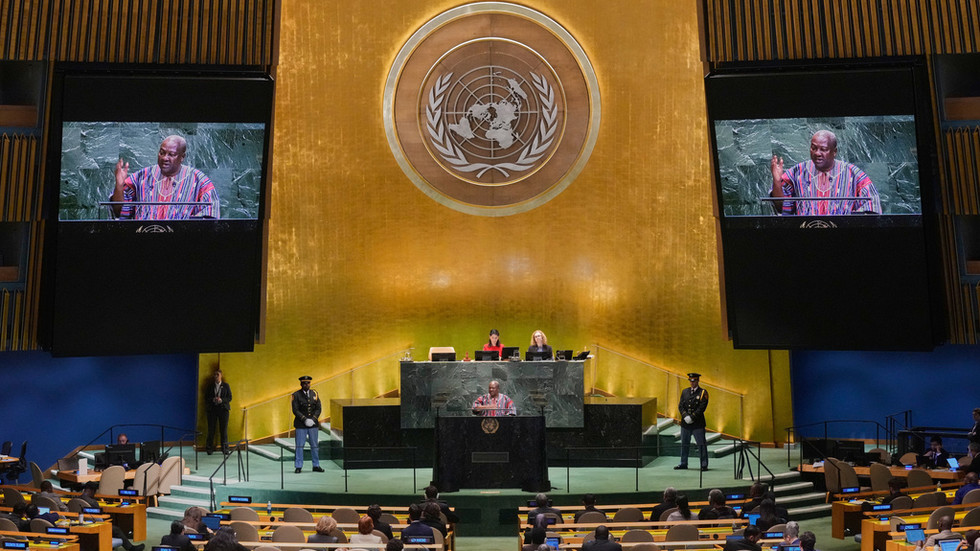
Ghana has led a successful drive at the UN General Assembly to pass a resolution recognizing the transatlantic slave trade as the gravest crime against humanity, with 123 countries voting in favor and a handful of states, including the US, Israel, and Argentina, voting against. Across government-aligned coverage, there is agreement on the core facts: Ghana is the sponsor and diplomatic driver of the initiative, the text links slavery to enduring inequalities in Africa and the diaspora, and it calls for forms of redress such as educational endowments, support for African entrepreneurs, and the return of looted artifacts, while stopping short of binding, quantified reparations.
Government-aligned sources consistently situate the resolution within a broader historical and institutional context that includes centuries of exploitation, the legacy of colonialism and neocolonialism, and current global debates over how to remember and teach slavery. They highlight the role of African and Global South institutions—such as Ghana’s presidency, pan-African figures like Kwame Nkrumah’s grandson, and the UN General Assembly itself—in driving a moral and political reckoning with the slave trade. These accounts emphasize that recognizing slavery as the gravest crime against humanity is a foundation for practical reforms focused on education, technology, economic opportunity and cultural restitution, and they stress that meaningful redress must go beyond symbolic language, even as they acknowledge the political constraints that limited the resolution to largely non-binding commitments.
Responsibility and blame. Government-aligned coverage portrays the resolution as a collective effort by African and sympathetic states to secure recognition of a historic wrong, while framing Western reluctance as moral evasion rather than a focal point for punitive blame. In contrast, a hypothetical opposition narrative would likely stress the complicity of Ghanaian and other African elites—both historic and contemporary—in slavery, colonial bargains, and unequal economic structures, arguing that domestic power holders also bear responsibility for current underdevelopment. Government accounts highlight Western states’ failure to fully acknowledge their role, but they tend to avoid deep self-critique of Ghana’s own historical and present-day governance.
Reparations and material redress. Government-aligned outlets emphasize that reparations should be “fair and just” yet are framed primarily in terms of scholarships, investment in African entrepreneurs, and the return of artifacts, casting these as pragmatic and achievable forms of restitution within existing international constraints. A critical opposition perspective would likely argue that this package is timid, underfunded, and overly symbolic relative to the scale of historic plunder, and might accuse the government of using the reparations language for diplomatic prestige without securing concrete, enforceable financial commitments. While government narratives celebrate the moral victory at the UN, opposition voices would be more inclined to judge the initiative by its fiscal impact on ordinary Ghanaians and African communities.
Domestic political motives. Government-aligned sources frame Ghana’s leadership at the UN as statesmanlike, aligning with pan-African ideals and positioning the country as a moral voice on global justice and historical memory. Opposition coverage would likely question whether the timing and prominence of the campaign serve to deflect attention from domestic economic hardship, unemployment, debt, or governance concerns, suggesting that the slavery resolution offers international visibility without solving pressing local issues. Where government outlets stress national pride and continuity with figures like Nkrumah, opposition narratives would tend to interrogate the gap between high-minded rhetoric abroad and policy delivery at home.
Framing of Western backlash and culture wars. Government-aligned reporting links the resolution to contemporary disputes over the teaching of slavery and racism, particularly in the US, criticizing book bans and curriculum restrictions as a “normalization of erasure” of Black history. Opposition-oriented critiques would likely agree that such erasure is dangerous, yet might argue that the government selectively weaponizes US culture-war issues to appear progressive internationally while tolerating or engaging in its own forms of censorship, historical whitewashing, or media pressure domestically. Thus, government narratives present Ghana as defending historical truth against Western revisionism, whereas opposition accounts would cast this as a partly opportunistic posture.
In summary, government coverage tends to celebrate Ghana’s UN initiative as a principled, pragmatic assertion of historical justice that elevates the country’s moral standing and opens avenues for non-punitive reparations, while opposition coverage tends to frame the move as symbolically powerful but materially limited, questioning both the sufficiency of proposed redress and the government’s motives and consistency at home.