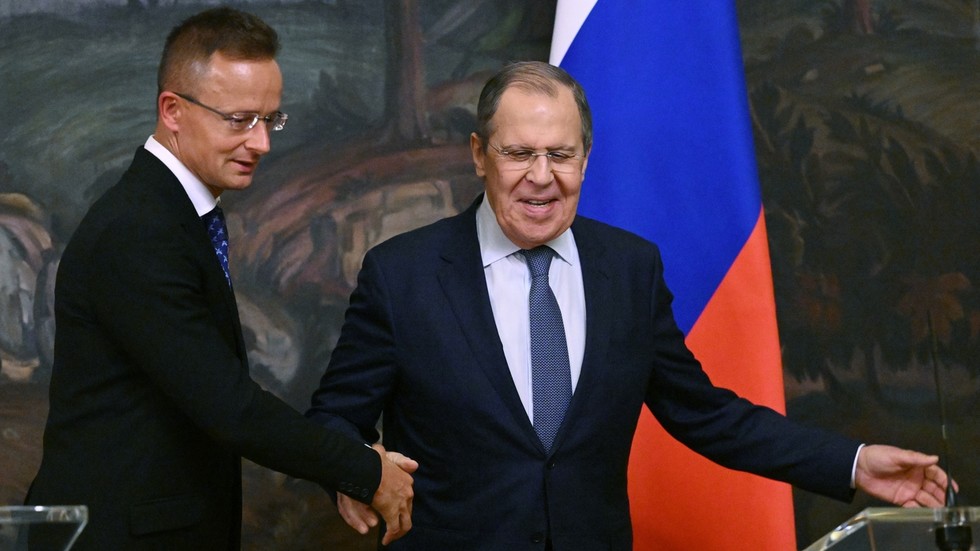
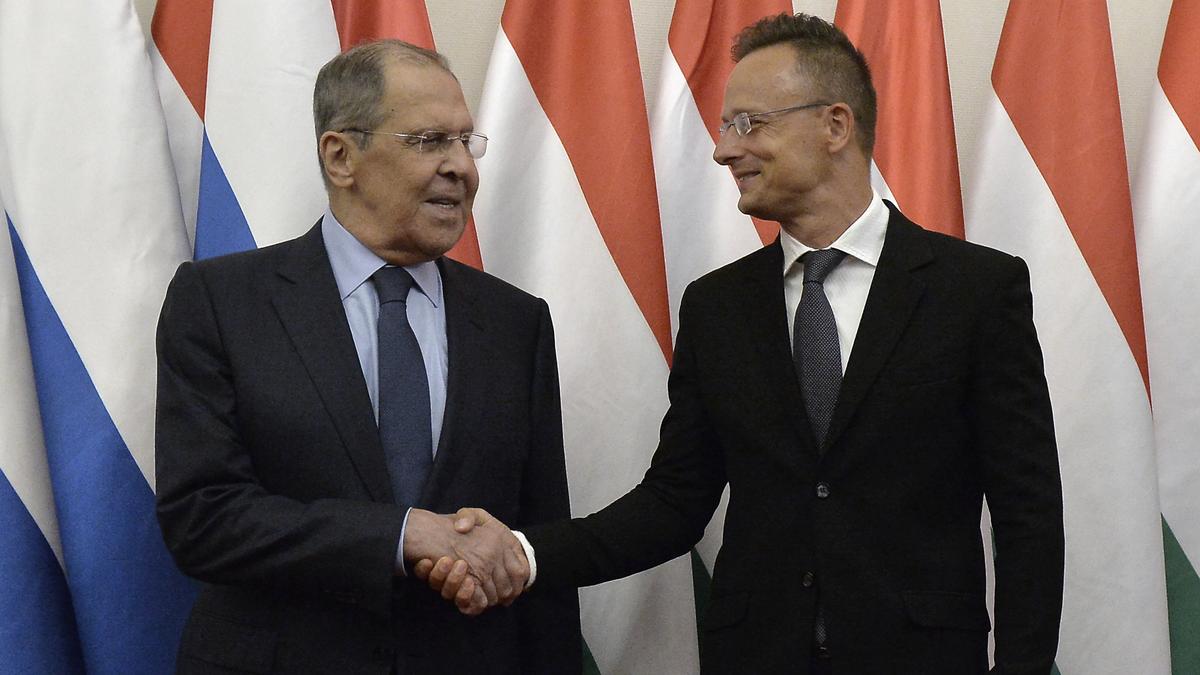
Hungarian and foreign media across the spectrum agree that a short, leaked phone recording—about 94 seconds long—captures a conversation between Hungarian Foreign Minister Péter Szijjártó and Russian Foreign Minister Sergey Lavrov focused on European Union sanctions. Both government-aligned and opposition outlets report that the call concerns EU restrictive measures against Russian individuals and entities, including discussion of efforts to remove the sister of Russian oligarch Alisher Usmanov from an EU sanctions blacklist. The reports concur that the recording was made public by a Polish or regional outlet and that Szijjártó has acknowledged the authenticity of the contact while insisting his private remarks align with Hungary’s long-standing, publicly stated objections to certain sanctions.
Both sides also agree on the broader context: Hungary under Prime Minister Viktor Orbán has repeatedly criticized EU sanctions on Russia, especially those seen as harming European economies or energy security. Coverage from both camps notes that Budapest has often sought exemptions or modifications to sanctions packages, and that Szijjártó frames Hungary’s position as defending national energy interests and objecting to measures he considers unjustified against specific individuals. There is consensus that the episode unfolds amid wider EU tensions over unity on Russia policy and ongoing debates about how sanctions affect both Russia and the European Union itself.
Areas of disagreement
Significance of the leak. Government-aligned outlets portray the leaked 94-second call as a minor, routine diplomatic exchange that adds nothing new to Hungary’s clearly stated sanctions policy. They emphasize Szijjártó’s characterization of the tape as insignificant and argue that it merely confirms Hungary is consistent in public and private. Opposition media, by contrast, frame the recording as highly consequential evidence that Hungarian diplomacy may be coordinated with Russian interests, highlighting that even a short call can expose the substance of behind-the-scenes lobbying to soften sanctions.
Nature of the lobbying. Government sources depict Szijjártó’s references to specific sanctioned individuals, such as Usmanov’s sister, as part of a principled objection to sanctions lacking sufficient legal or moral justification, and as normal advocacy within EU decision-making. They stress that questioning individual listings is a legitimate function of member states and that the minister’s remarks were in line with legal scrutiny. Opposition outlets instead present the same actions as targeted lobbying at Russia’s request, suggesting Hungary acted as an intermediary for sanctioned oligarchs and their networks, thereby prioritizing Kremlin-linked business interests over EU foreign policy goals.
Relationship with Russia and the EU. Government-aligned reporting uses the incident to reiterate that Hungary seeks a balanced foreign policy, maintaining pragmatic ties with Russia while remaining an EU member, and that criticism is driven by ideological hostility to this stance. They argue that pushing back on sanctions that hurt energy security reflects sovereign decision-making and not undue Russian influence. Opposition coverage interprets the call as another data point in what they describe as Hungary’s drift toward Moscow, contending that sharing sensitive insights from EU diplomatic processes and aligning with Russian preferences undermines EU solidarity and Hungary’s credibility within the bloc.
Transparency and accountability. Government-oriented narratives focus on Szijjártó’s claim that his private statements mirror his public ones, presenting this as proof of transparency and dismissing demands for further inquiry as politically motivated. They frame the leak as possible foreign interference in Hungarian politics or an attempt to smear the government before key EU debates. Opposition media, however, use the leak to argue that critical aspects of Hungary’s Russia policy are shaped in opaque channels, calling for deeper investigation into the content of the calls and greater parliamentary or EU-level oversight of how Budapest handles sanctions negotiations.
In summary, government coverage tends to minimize the episode as routine diplomacy consistent with Hungary’s stated policies and emphasize sovereignty and legalistic scrutiny of sanctions, while opposition coverage tends to cast the leak as evidence of politically damaging, Russia-aligned lobbying that erodes EU trust and demands stronger oversight.