government
Africa Should Turn UN Slavery Resolution into Real Change
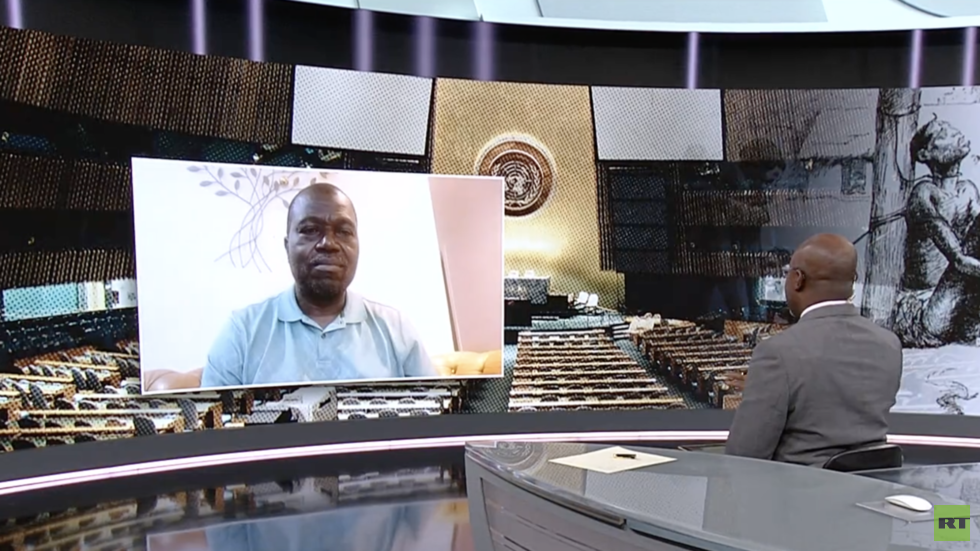
Following the UN slavery resolution, Madaraka Nyerere urges concrete change and investment
a month ago
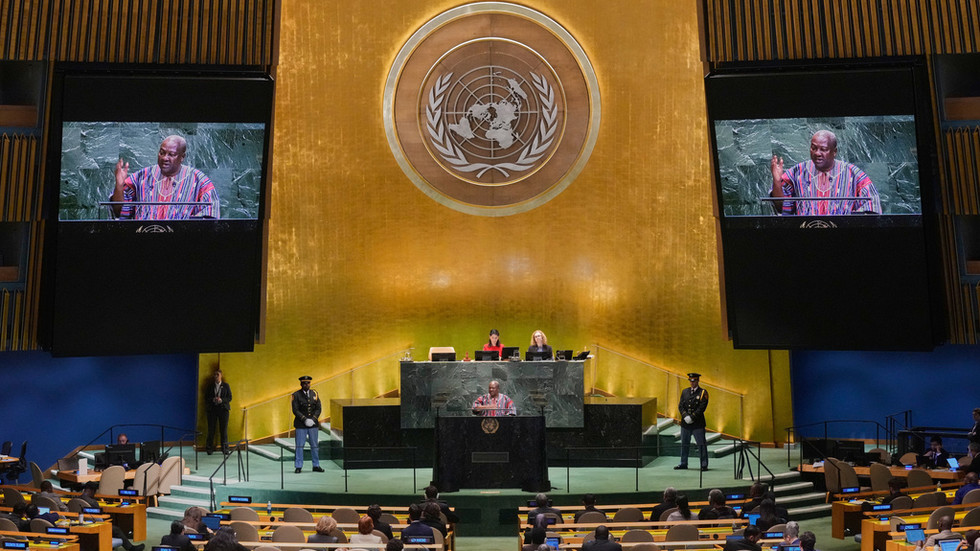
The UN General Assembly has adopted a Ghana-sponsored resolution recognizing the transatlantic slave trade as the gravest crime against humanity, with both government- and opposition-leaning coverage agreeing on the core facts of the vote and its symbolic weight. Reports concur that 123 countries supported the measure and that some Western states, including the United States, Israel, and Argentina, did not back it, which has become a focal point for debate about historical accountability. Coverage from both sides highlights Ghana’s diplomatic role in steering the resolution, references commentary from figures such as Kwame Nkrumah Melega and former South African MP Themba Godi, and acknowledges that the text stops short of imposing binding obligations, especially on reparations.
Across the spectrum, outlets present the resolution as part of a broader international conversation on historical injustice, racism, and global inequality, placing it within the institutional framework of the UN and its human rights machinery. Both perspectives describe slavery and the transatlantic slave trade as long-recognized crimes with enduring social and economic consequences, and they agree that the vote reflects a growing readiness in global forums to name those harms explicitly. They also converge on the idea that symbolism alone cannot address deep structural legacies, and that any meaningful response will require ongoing policy debates, educational initiatives, and reforms that extend beyond a single UN declaration.
Meaning of the resolution. Government-aligned sources frame the resolution as an important, if incomplete, milestone that African nations should now transform into concrete development gains through education, technology, and economic reforms, treating it as a springboard for pragmatic policy. In contrast, opposition narratives are more likely to argue that such language risks becoming an empty moral gesture that lets powerful states claim the mantle of justice while avoiding structural change. While government commentary emphasizes the achievement of securing global recognition of slavery as the gravest crime, opposition voices stress that this recognition may function as a moral screen if not tied to enforceable commitments.
Reparations and material redress. Government-friendly coverage presents calls for reparations as "fair and just" but tends to fold them into a broader agenda of investment, capacity-building, and long-term development rather than immediate financial transfers or legal liability. Opposition-leaning accounts are more inclined to read the absence of concrete reparations language as a deliberate avoidance by former slave-trading powers, arguing that moral condemnation without material redress perpetuates historical injustice. Where government outlets often highlight alternative pathways—such as economic partnerships and tackling neocolonial structures—opposition sources emphasize that without explicit reparative mechanisms, the core demand of justice remains unmet.
Assigning responsibility and ongoing guilt. Government-aligned reporting criticizes Western states that declined to support the resolution for trying to "wash their hands" of history, but it still couches responsibility in terms of shared international obligations and future-oriented cooperation. Opposition narratives tend to sharpen the focus on specific Western governments as primary historical beneficiaries of slavery, accusing them of actively erasing or minimizing the past to escape both moral and legal culpability. Thus, while government sources seek to balance historical blame with an emphasis on forward-looking solutions, opposition coverage leans toward a more accusatory stance that links past crimes directly to current power imbalances.
Nature of transformation sought. In government-linked pieces, the desired transformation centers on leveraging the resolution to correct global imbalances through policy reforms, investment, and dismantling neocolonial economic patterns, with less stress on confrontational politics. Opposition voices place more weight on dismantling what they see as entrenched global hierarchies and intellectual frameworks that allow exploitation to persist under new guises, warning that mere rhetorical shifts leave those structures intact. Government coverage therefore prioritizes incremental, institutionally mediated change, whereas opposition coverage calls for more radical reordering of global systems of power and knowledge.
In summary, government coverage tends to treat the UN resolution as a valuable diplomatic and symbolic victory that should be converted into pragmatic development and reform, while opposition coverage tends to view it as insufficiently radical, warning that without concrete reparations and structural change it risks legitimizing the very global order that slavery helped create.