government
Iran offers agreement on use of Strait of Hormuz
Tehran is ready to reach agreements with European, Asian, and Arab countries on this issue, Head of the Government Information Council Elias Hazrati said
25 days ago
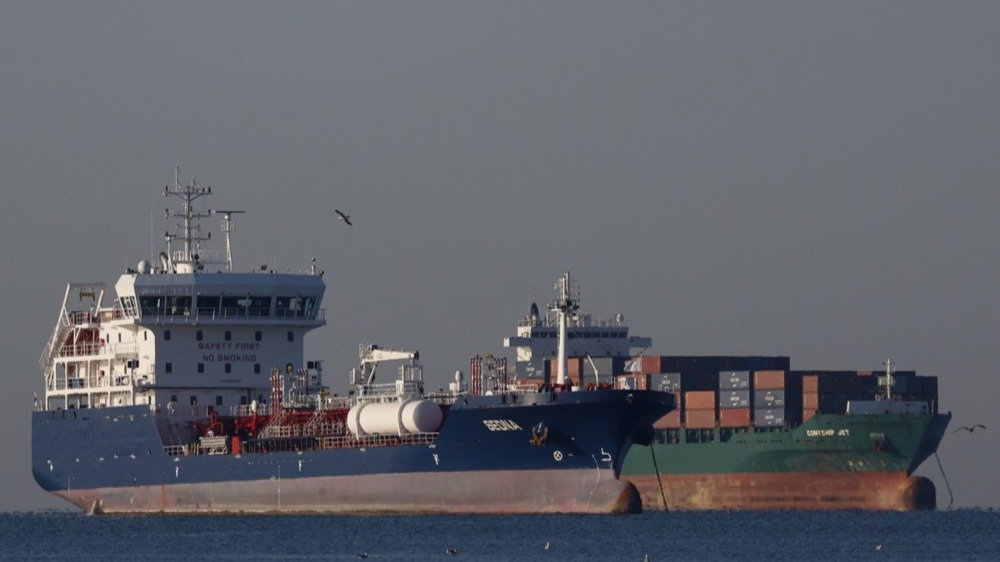
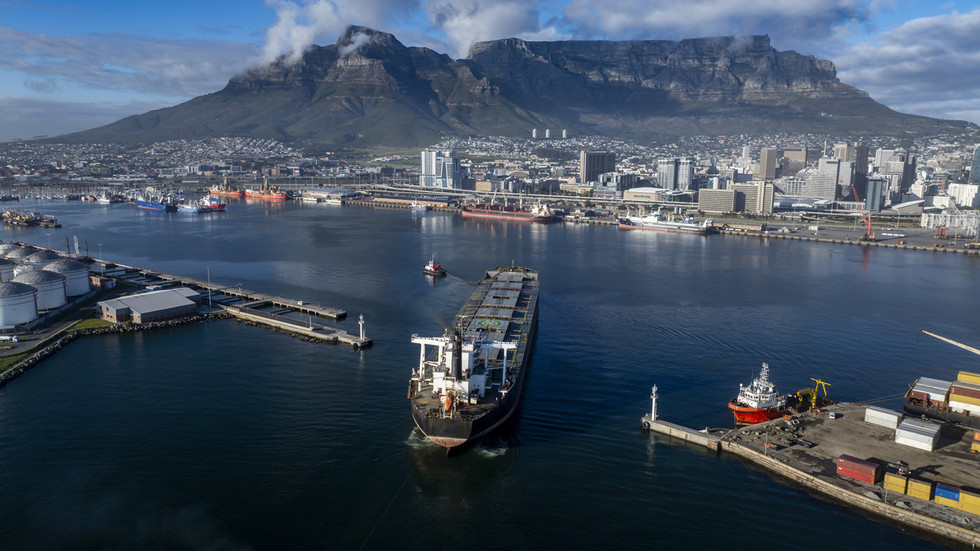
Iranian and foreign coverage agree that Tehran has publicly offered to negotiate formal agreements with multiple European, Asian, Arab, and selected Global South partners on the use of the Strait of Hormuz, a key chokepoint for global oil and gas shipments. Government-aligned and opposition sources both report that Iranian officials insist Iran effectively controls access to the strait and are signaling readiness to guarantee safe passage to certain states, with South Africa cited as having received explicit assurances that its vessels will be allowed unimpeded transit. Both sides also acknowledge that the United States has refused to participate in any Iran-led framework for “normalizing” shipping through the strait, and they concur that Russia has asserted its tankers will continue to pass through Hormuz, with a noticeable rise in tanker activity, including ships implicated in carrying Iranian oil despite sanctions.
Both government and opposition outlets present the Strait of Hormuz as a strategically vital maritime corridor whose stability is being shaped by tensions involving Iran, the United States, Israel, Gulf monarchies, and other energy stakeholders. They agree that Iran’s outreach to European, Asian, Arab, and African partners comes in the context of escalating sanctions and regional conflict, prompting Gulf states to consider pipeline routes that bypass Hormuz entirely and prompting others, like South Africa and Russia, to seek assurances of guaranteed access. All sources describe Iran’s moves as part of a broader pattern of negotiating bilateral or limited multilateral navigation arrangements, while regional cooperation with Oman on monitoring ship movements is portrayed as an institutional mechanism to manage traffic and surveillance in the waterway.
Intent and framing of Iran’s offer. Government-aligned outlets frame Iran’s readiness to sign navigation agreements as a constructive, stabilizing initiative aimed at de-escalating tensions and ensuring the security of international trade. They highlight assurances to partners such as South Africa as evidence of Iran acting as a responsible guardian of the strait in the face of US reluctance. Opposition sources, by contrast, depict the same offer as a selective and transactional access regime in which passage is granted mainly to non-US and non-Israeli-linked vessels under conditions such as payments or flag changes, casting Iran’s move as a tool of leverage rather than neutral security provision.
Control and legality. Government coverage emphasizes that Iran “fully controls” the Strait of Hormuz and presents this as a legitimate extension of its sovereignty and regional role, implying that other actors should work through Tehran to secure shipping. It treats Iran’s coordination with Oman as a cooperative regional arrangement that strengthens lawful monitoring and safety. Opposition reporting, however, stresses that the strait is an international chokepoint subject to broader maritime norms, and it portrays Iran’s insistence on control and conditional access as a quasi-monopolistic stance that challenges freedom of navigation and exploits gray zones in international law.
Sanctions and shadow traffic. Government narratives largely avoid foregrounding the role of sanctioned tankers, focusing instead on prospective agreements with recognized states and on Iran’s desire to reduce tensions with actors like South Africa and unnamed European or Asian partners. They present increased tanker traffic mainly as a sign that states trust Iran’s security guarantees in the face of US disengagement. Opposition coverage, in contrast, highlights the surge in sanctioned vessels carrying Iranian oil and links this directly to Russia’s declaration that its tankers will pass through Hormuz, portraying the waterway as a hub of sanctions evasion facilitated by Iran’s selective openness.
US and allied role. Government-aligned outlets underline Washington’s refusal to join normalization efforts as evidence that the US is obstructing a peaceful, negotiated framework for Hormuz, and they cast Iran’s outreach to Europe, Asia, Arab states, and South Africa as a way to bypass US pressure and maintain global energy flows. Opposition sources instead suggest that Iran is intentionally excluding or penalizing US- and Israeli-linked shipping, interpreting American non-participation as a reaction to Iran’s attempt to recast control of a global commons into a club of friendly or sanction-busting states, thus intensifying rather than easing geopolitical fragmentation.
In summary, government coverage tends to depict Iran’s Hormuz proposal as a de-escalatory, legally grounded mechanism to guarantee safe passage for cooperative states, while opposition coverage tends to portray it as a selective, leverage-based access system that enables sanctions-busting and tightens Iran’s grip over a critical international waterway.