government
Russia to send second oil vessel to Cuba
Russia won't leave the Cubans hanging, Sergey Tsivilyov said
18 days ago
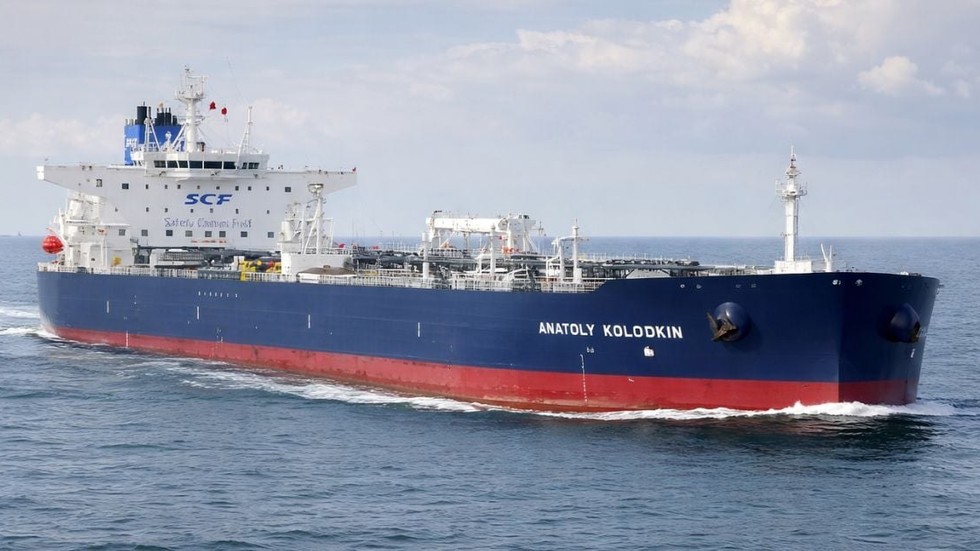
The Russian oil tanker Anatoly Kolodkin has delivered around 100,000 tons (about 730,000 barrels) of crude oil to Cuba, marking the first such shipment in roughly three months and providing fuel expected to last the island several weeks. Both government-aligned and opposition sources agree that the cargo is officially framed as humanitarian aid, that Cuba is undergoing a severe fuel and broader energy crisis with frequent power outages, and that the shipment took place under a broader US sanctions and blockade framework that had sharply curtailed previous deliveries. They also concur that US authorities explicitly allowed this particular tanker to reach Cuba under existing sanctions rules, and that Moscow has publicly committed to continued oil shipments and broader support to Havana.
Across both sets of coverage, the energy crisis in Cuba is linked to a combination of US economic and energy sanctions and disruptions in supplies from Venezuela, previously a key source of Cuban fuel. There is cross‑outlet recognition that Russia views Cuba as a strategic or close partner in the Caribbean and is using state-owned or state‑linked tankers to move oil as part of a wider relationship that includes humanitarian cargo, not just commercial arrangements. Both sides note that the US formally differentiates between humanitarian‑classified fuel and other kinds of shipments, and that Washington has signaled that even permitted humanitarian deliveries will not, on their own, resolve Cuba’s deep structural shortages of fuel, food, and medicine.
Nature and intent of the shipment. Government-aligned outlets portray the Anatoly Kolodkin’s cargo primarily as selfless humanitarian aid and a “victory of common sense,” emphasizing solidarity with a besieged ally and Russia’s moral duty not to abandon Cuba. Opposition sources, while accepting the humanitarian label, more often underline the geopolitical calculus, depicting the shipment as part of Russia’s strategic projection in the Americas and a way to exploit US sanctions carve-outs. They tend to stress that the move is constrained by US rules and time-limited exemptions rather than an unfettered gesture of generosity.
Framing of US role and sanctions. Government coverage casts the United States as the principal cause of Cuba’s fuel disaster, stressing a “blockade,” references to US military actions in Venezuela, and threats of further sanctions against countries supplying Havana, while downplaying any nuance in US policy. Opposition reports acknowledge the impact of sanctions but highlight that Washington explicitly allowed this tanker to dock and that President Trump publicly stated he was not opposed to Russian fuel supplies for Cuba’s survival. These outlets thus frame US policy as simultaneously punitive and selectively pragmatic, suggesting more room for negotiation than government narratives admit.
Assessment of impact on Cuba’s crisis. Government-aligned media describe the shipment as a crucial lifeline that significantly alleviates shortages and proves that Cuba is not isolated, citing it as evidence of Russia’s dependable support and future deliveries. Opposition coverage tends to be more skeptical about the long-term effect, emphasizing that one cargo after a three‑month gap only temporarily eases blackouts and scarcity and is tightly bounded by US licensing conditions. They more often reference Cuba’s structural economic and governance problems as reasons the crisis will persist despite Russian tankers.
Characterization of Russia–Cuba partnership. Government sources celebrate Cuba as a “closest” or “strategic” partner and present Russia’s maritime actions as fully compliant with international law and largely uncontroversial on the world stage. Opposition outlets accept the strategic label but stress that this partnership comes with diplomatic costs and risks for both sides, especially under evolving sanctions regimes and international scrutiny of Russian energy exports. They are more likely to mention that other potential buyers and carriers face deterrent tariffs or penalties, framing the relationship as constrained and transactional rather than purely fraternal.
In summary, government coverage tends to spotlight Russian solidarity, legal rectitude, and the moral failure of US sanctions in creating the Cuban fuel crisis, while opposition coverage tends to underscore the limited, conditional nature of the relief, the tactical maneuvering by both Moscow and Washington, and the deeper structural and political factors that one shipment of oil cannot resolve.