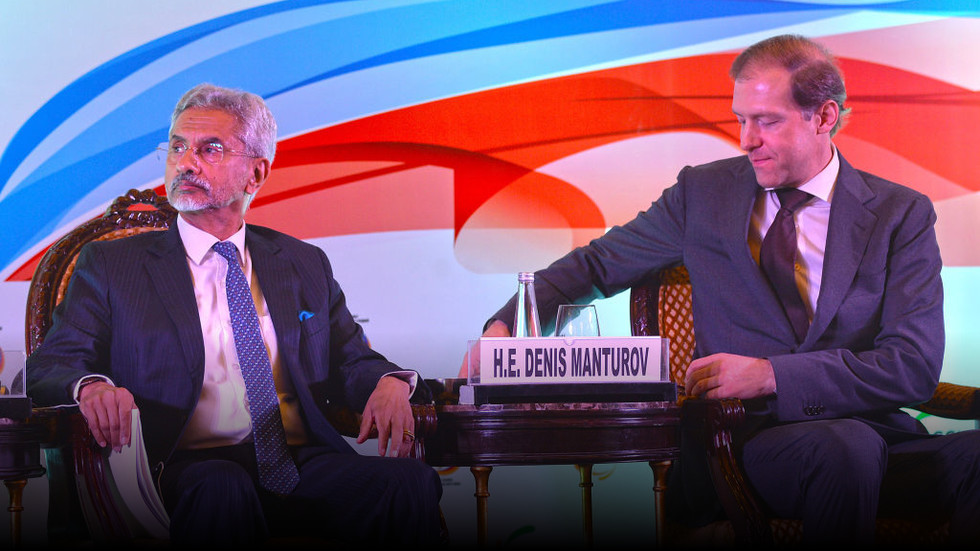
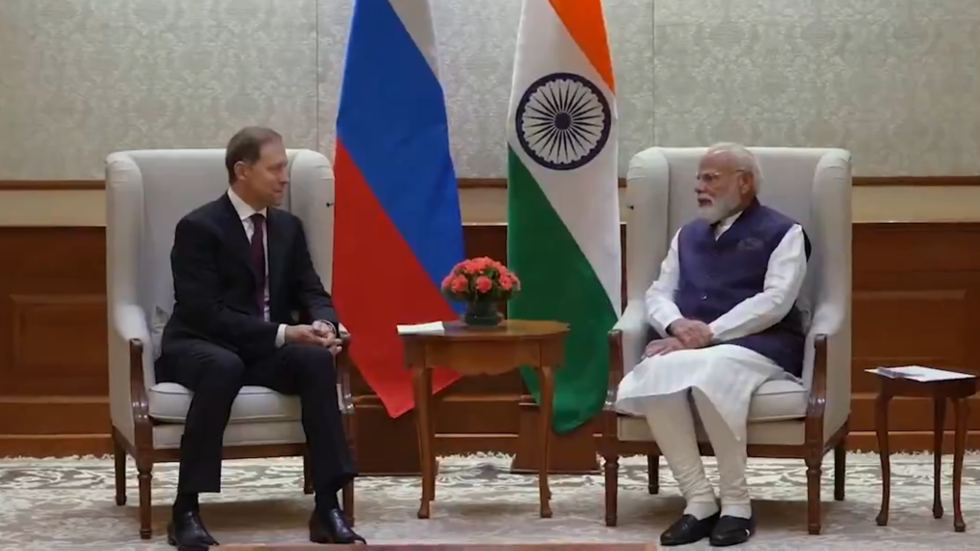
Indian Prime Minister Narendra Modi met Russian Deputy Prime Minister Denis Manturov in New Delhi during a two-day visit by the Russian leader that also includes meetings with India’s foreign minister, national security adviser, and finance minister. Both government and opposition-oriented accounts agree that the talks focused on strengthening cooperation in trade, fertilizers, energy, connectivity, defense, and people-to-people ties, and on implementing decisions from the 23rd India-Russia Annual Summit. The visit is framed on all sides as part of preparations for the upcoming BRICS summit in September and tied to planning for a possible visit by Modi to Moscow, with Manturov heading a delegation that includes senior defense officials amid India’s recent approvals of major Russian defense equipment purchases.
There is cross-cutting acknowledgment that India is seeking to secure fertilizer and energy supplies from Russia in the wake of international supply chain disruptions, and that the India-Russia partnership remains institutionally anchored in long-running formats such as annual summits and BRICS coordination. Coverage from both camps notes that the meeting fits into a broader pattern of India managing strategic partnerships with major powers while prioritizing economic and security needs, particularly in defense procurement and critical imports. Both also accept that the engagement is part of India’s continued effort to maintain stable ties with Russia despite global geopolitical tensions, leveraging multilateral forums like BRICS to advance shared economic and connectivity goals.
Areas of disagreement
Strategic framing of the visit. Government-aligned coverage presents the meeting as a routine, strategically important engagement that reinforces India’s time-tested partnership with Russia and advances pragmatic interests in trade, energy, and defense. Opposition commentary, where it appears, tends to portray the timing as more politically charged, suggesting the visit is leveraged to project statesmanship for Modi ahead of key domestic and BRICS-related milestones. While official narratives emphasize continuity and institutional mechanisms like the annual summit process, critics highlight how the optics of high-profile Russian engagement may intersect with India’s evolving global positioning and domestic political calculations.
Defense and security implications. Government sources stress that Manturov’s defense-heavy delegation and India’s recent approvals of Russian equipment purchases are normal extensions of longstanding defense cooperation vital for national security and operational readiness. Opposition voices, however, are more likely to question overreliance on Russian platforms at a time of changing global alignments, raising concerns about technology dependence and potential sanctions exposure. Where official narratives underscore mutual benefit and interoperability built over decades, critical coverage focuses on the risks of lock-in and the need to diversify suppliers while still honoring existing commitments.
Economic and sanctions context. Government-aligned reporting foregrounds the economic logic of boosting Russian fertilizer and energy imports as a way to shield Indian farmers and consumers from global price volatility and supply disruptions, treating sanctions and geopolitical tensions as background constraints to be pragmatically managed. Opposition-leaning analysis is more inclined to emphasize the reputational and financial complications of deepening economic ties with a heavily sanctioned partner, questioning the long-term sustainability of such arrangements. Thus, what official narratives cast as prudent hedging for food and energy security, critics may frame as short-sighted risk-taking in a sanctions-fragmented global economy.
Multilateral optics and BRICS. In government reporting, the linkage to the upcoming BRICS summit and a potential Modi visit to Moscow underscores India’s leadership role in the Global South and its commitment to a multipolar order, with the Manturov talks portrayed as constructive agenda-setting. Opposition commentary, by contrast, tends to interrogate how prominently India should feature alongside Russia in multilateral optics at a time of heightened scrutiny of Moscow’s global conduct, questioning whether BRICS-driven symbolism always aligns with India’s broader diplomatic balancing. Official narratives focus on concrete deliverables and agenda coordination, while critics dwell more on image management and potential diplomatic costs.
In summary, government coverage tends to depict the Modi–Manturov meeting as a prudent, institutionalized step in a stable strategic partnership serving India’s economic, defense, and multilateral interests, while opposition coverage tends to spotlight the political timing, dependency risks, sanctions-related complications, and diplomatic optics of deepening engagement with Russia.