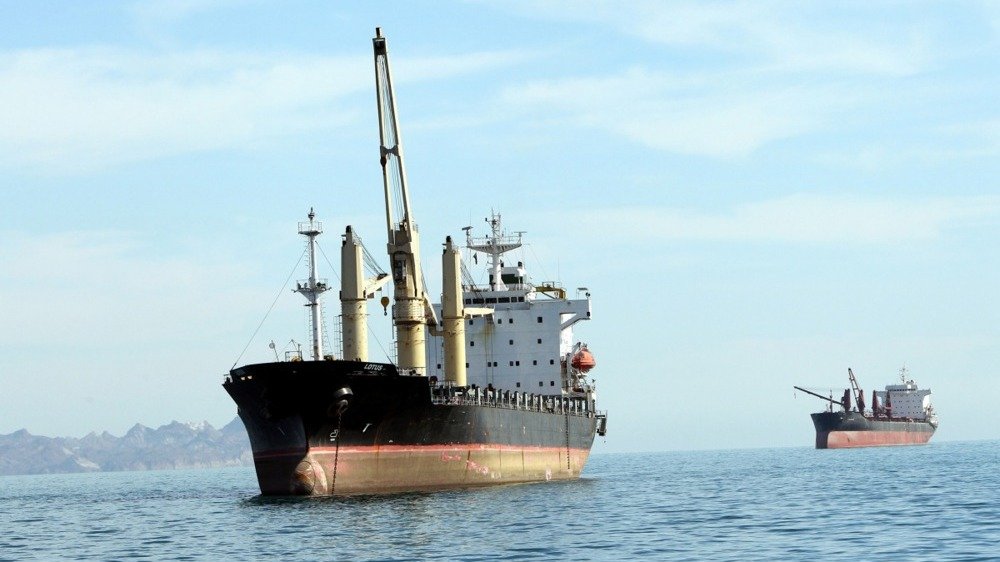
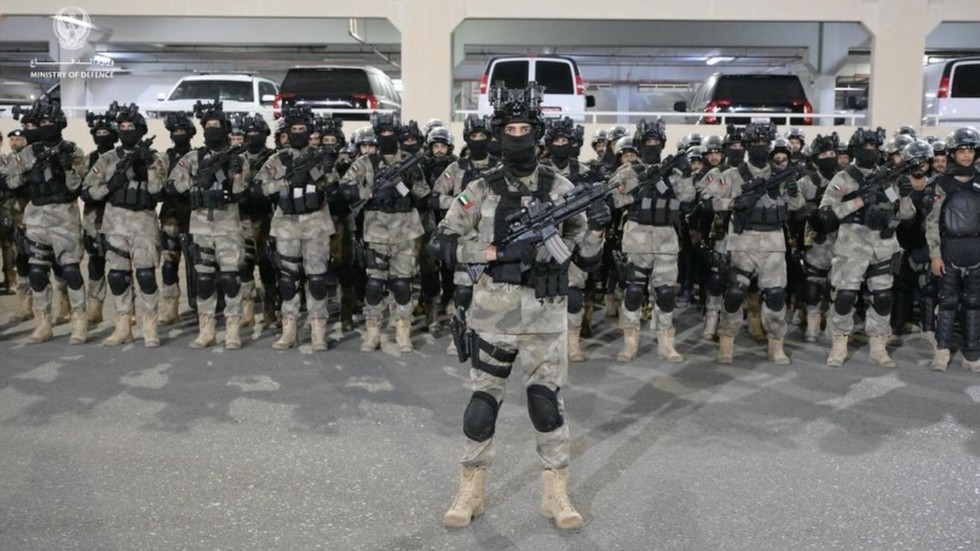
Government and opposition sources agree that the United Arab Emirates is reportedly considering a direct role alongside the United States, and implicitly Israel, in potential military action against Iran focused on reopening the Strait of Hormuz. Both sets of coverage state that the UAE wants the vital oil and shipping chokepoint reopened after Iranian missile and drone activity and Iranian moves that have effectively constrained traffic, and that Abu Dhabi is actively lobbying for international backing. They concur that this would make the UAE the first Gulf Arab state to participate in such a US-led operation and that discussions explicitly involve the possible use of force to secure maritime routes and energy exports.
Both sides also agree that the UAE is pushing for a United Nations Security Council resolution that would authorize an international coalition to use force to reopen the strait and secure navigation. Coverage from both camps notes that the UAE frames its actions around protecting global energy supplies and its own economy, which has suffered from trade disruptions linked to hostilities and the partial closure of the strait. They further concur that Abu Musa and other islands in or near the Strait of Hormuz, currently under Iranian administration but claimed by the UAE, feature in the emerging discussions about who controls key strategic points that could determine long‑term navigation and security arrangements.
Areas of disagreement
Framing of UAE intentions. Government-aligned outlets portray the UAE’s contemplation of joining US-Israeli military efforts as a reluctant but responsible step to protect international shipping, regional stability, and its own economic lifelines. Opposition outlets instead depict the move as aggressive alignment with a US-Israeli war agenda, emphasizing escalation risks and casting the UAE as an eager participant in a broader anti-Iran coalition rather than a defensive actor.
Legal and diplomatic justification. Government coverage stresses the pursuit of a UN Security Council resolution and an international coalition as evidence that the UAE is acting within multilateral and legal frameworks, presenting force as a last resort sanctioned by international law. Opposition coverage highlights the same UN track as a bid to obtain a legal fig leaf for what they describe as a preplanned military campaign, arguing that true diplomacy and de-escalation are being sidelined in favor of coercive solutions.
Characterization of Iran and the Strait closure. Government media describe Iran primarily as the disruptor of maritime security, emphasizing missile and drone attacks and the effective closure of the Strait of Hormuz as unjustified aggression harming global trade. Opposition outlets often acknowledge Iranian actions but stress them as reactive to US-Israeli pressures and sanctions, suggesting the "closure" is framed in exaggerated terms to justify militarization and downplaying UAE narratives about unilateral Iranian fault.
Territorial and strategic objectives. Government-aligned sources present issues around Abu Musa and nearby islands as the UAE asserting legitimate sovereignty claims and seeking stable, internationally guaranteed control over critical navigational points. Opposition outlets, by contrast, frame the push for US-backed control over these islands as opportunistic territorial expansion under cover of a security operation, accusing the UAE and its partners of using maritime security as a pretext for altering the regional balance of power.
In summary, government coverage tends to depict the UAE’s potential role as a measured, law-abiding effort to safeguard global trade and assert legitimate rights against Iranian aggression, while opposition coverage tends to portray it as complicity in a US-Israeli war project that escalates tensions, masks territorial ambitions, and instrumentalizes international institutions.