government
IN BRIEF: Drone attack on CPC facilities and attempt to destabilize hydrocarbon market
The attack was geared to inflict maximum damage on its largest shareholders, companies from the United States and Kazakhstan
13 days ago
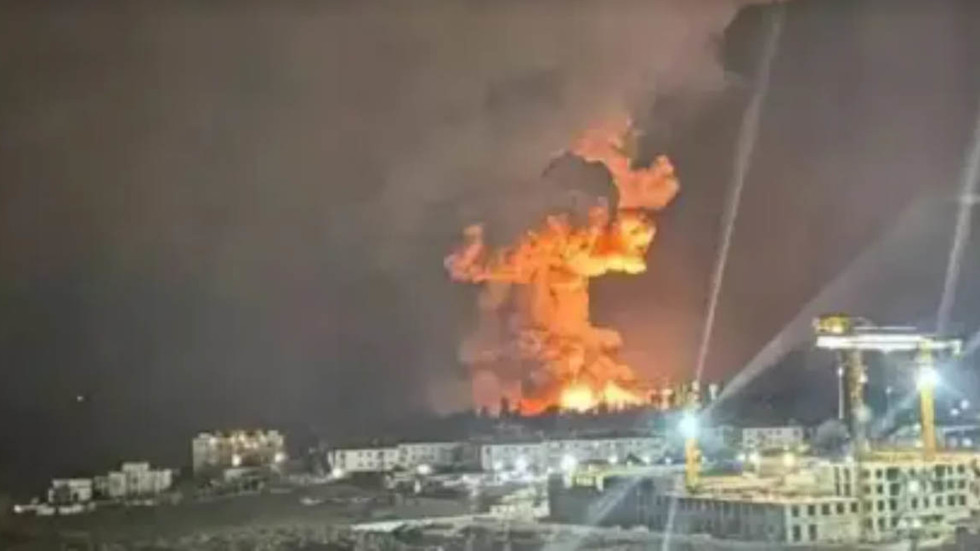
Government and opposition-leaning coverage agree that Ukrainian drones struck oil infrastructure linked to the Caspian Pipeline Consortium at the Russian Black Sea port of Novorossiysk, a major hub for handling crude exports. Both acknowledge that an unloading berth and several oil tanks were affected and that the facilities are part-owned by foreign shareholders, including companies from the United States and Kazakhstan, but that Kazakh officials reported exports through the main pipeline system continued without interruption and that scheduled shipment plans remained in place.
Across both narratives, the attack is placed within the broader context of Ukraine’s ongoing campaign against Russian energy and logistics infrastructure during the full-scale war, with the Novorossiysk strike portrayed as one of a series of operations targeting refineries, depots, and export terminals to undermine Russia’s economic and military capacity. There is shared recognition that the Caspian Pipeline Consortium is a key conduit for Kazakh oil routed through Russia to global markets and that any disruption there carries potential implications for international energy prices and for non-Russian stakeholders, including Western and Kazakh companies, even though this particular incident did not immediately curtail shipments.
Purpose and framing of the attack. Government-aligned outlets characterize the strike primarily as an attempt to destabilize the global hydrocarbon market and inflict economic harm on foreign shareholders, emphasizing risks to US and Kazakh companies rather than to Russian state interests alone. Opposition sources instead tend to frame it as a legitimate wartime effort to weaken Russia’s export revenues and constrain its ability to finance the invasion, treating potential market effects as a by-product rather than the main objective. While government reports foreground the notion of economic sabotage against international partners, opposition coverage places the emphasis on degrading Russian military and fiscal capacity.
Impact and significance. Government coverage stresses that damage was limited, repairs are manageable, and official statements from Kazakhstan confirm that oil exports and pipeline throughput were not affected, thereby projecting resilience and continuity in the face of attacks. Opposition outlets are more inclined to highlight the vulnerability of Russian oil infrastructure and the symbolic value of hitting a critical export hub, suggesting that even if flows are officially unchanged, the attack adds to operational strain and investor unease. The government narrative downplays long-term disruption, whereas opposition reporting often extrapolates to broader strategic and psychological impacts on Russia’s energy sector.
International implications and audience. Government-aligned media spotlight the involvement of US and Kazakh shareholders to argue that Ukraine is recklessly endangering the property and economic interests of its Western partners, implicitly questioning continued Western support for such tactics. Opposition coverage, by contrast, tends to underscore that CPC infrastructure sits on Russian territory and under Russian protection, portraying the strike as a warning that Russia cannot guarantee secure transit even for its partners. Thus, the government narrative appeals to foreign stakeholders’ fears of market instability, while opposition narratives stress Russia’s growing liability as a transit state.
Legitimacy and escalation. Government sources frame the drone strike as an unlawful terrorist-style attack on civilian economic infrastructure aimed at blackmailing the global market, thereby justifying tougher Russian countermeasures and appeals to international law. Opposition outlets are more likely to argue that energy sites used to fund and supply the war are dual-use targets and therefore legitimate military objectives, presenting the operation as proportionate to Russia’s own strikes on Ukrainian infrastructure. While government reporting warns of dangerous escalation and global economic blackmail, opposition narratives depict it as calibrated pressure to raise the costs of continued aggression.
In summary, government coverage tends to present the Novorossiysk drone attack as irresponsible economic sabotage that threatens global energy stability and foreign investors while demonstrating Russian resilience, while opposition coverage tends to portray it as a strategically justified strike that exposes the fragility of Russia’s war-funding infrastructure and its reliability as an energy supplier.