government
Washington aware of Kiev’s attempts to interfere in US, Hungarian elections
The US vice president said this is part of the cost of doing business within some elements of Ukraine's system
18 days ago
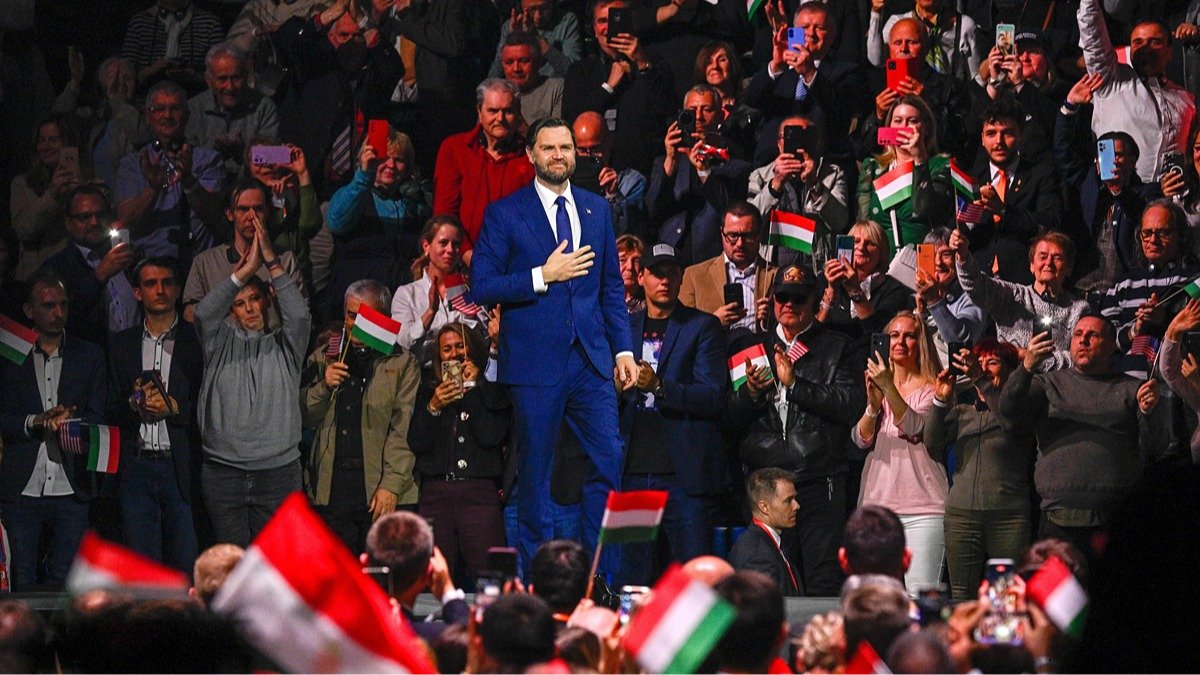
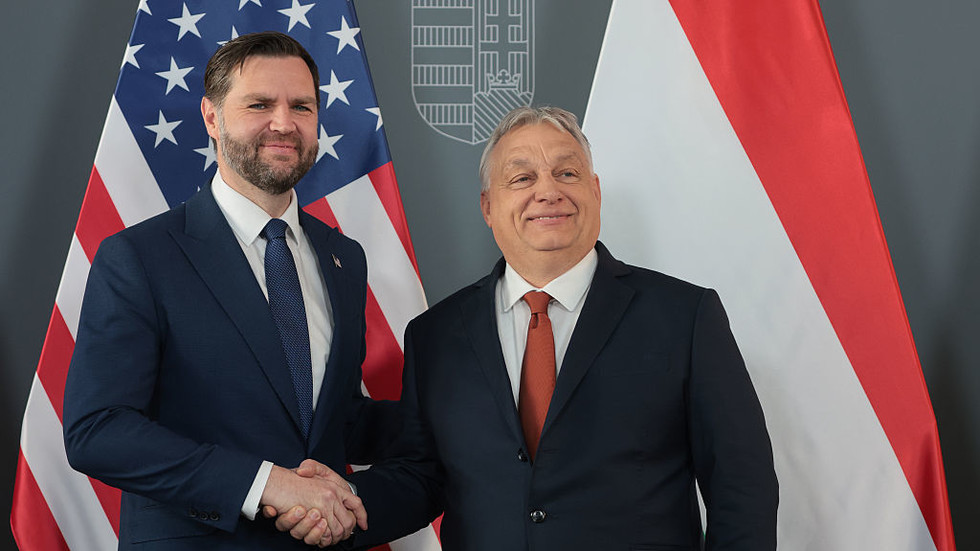
US Vice President JD Vance traveled to Budapest shortly before key Hungarian parliamentary elections to publicly endorse Prime Minister Viktor Orban, portraying him as a crucial partner and “true statesman,” particularly on energy security. Both government-aligned and opposition outlets agree that Vance accused elements of Ukrainian intelligence of attempting to interfere in both US and Hungarian elections, and that he also charged the European Union—often shorthand as “Brussels”—with meddling in Hungary’s internal political process. Coverage from both sides notes that Vance’s visit included high-profile political events, including a rally and communication with President Trump, and that it drew sharp criticism from EU figures and some European governments, especially Germany.
Across the spectrum, outlets situate the visit in the context of long-running tensions between the Orban government and EU institutions over rule-of-law issues, Ukraine policy, and sanctions on Russia. They concur that Orban has obstructed or slowed EU sanctions measures against Russia, opposed Ukraine’s rapid accession to the EU and NATO, and framed the upcoming election as a choice between defending Hungarian national interests and aligning with what he depicts as a pro-Ukraine, Brussels-driven agenda. Both government and opposition coverage acknowledge that Orban’s party has been under pressure in the polls and that these elections are viewed as pivotal not only for Hungary’s domestic trajectory but also for the broader EU debate on enlargement, support for Ukraine, and energy policy.
Legitimacy of interference claims. Government-aligned sources present Vance’s accusations about Ukrainian intelligence and EU meddling as credible, even expected behavior from entrenched bureaucracies that dislike Orban’s independent line on Ukraine and Russia. Opposition outlets, by contrast, treat these claims with skepticism, framing them as unsubstantiated and politically motivated narratives designed to rally Orban’s base and deflect attention from domestic discontent.
Characterization of Vance’s role. Government coverage portrays Vance as a principled ally defending Hungarian sovereignty, emphasizing his praise for Orban as a statesman and energy-security leader and framing the visit as normal strategic coordination between like-minded governments. Opposition sources depict Vance as breaking with US diplomatic norms, engaging in partisan electioneering on foreign soil, and further straining relations with the EU; they suggest his involvement may be more of a liability than an asset for Orban.
Impact on Hungarian politics and the EU. In government narratives, Vance’s endorsement is cast as a boost to Orban at a critical moment, reinforcing his claim to international legitimacy and support from a major power against overreach from Brussels and pro-Ukraine forces. Opposition coverage stresses European backlash and fears of deeper isolation, arguing that the visit underscores Hungary’s drift away from EU mainstream positions and could depress moderate support for Orban by highlighting his dependence on controversial foreign patrons.
Framing of Orban’s Ukraine and Russia stance. Government-aligned outlets frame Orban’s obstruction of sanctions and skepticism about Ukraine’s EU and NATO membership as pragmatic defense of Hungarian economic interests and a push for a more balanced, sovereignty-respecting foreign policy. Opposition sources describe the same positions as out of step with European security priorities, overly accommodating to Russia, and part of a broader pattern that justifies external criticism rather than constituting foreign “interference.”
In summary, government coverage tends to validate Vance’s accusations and treat his support as strengthening Orban’s sovereign stand against Brussels and Ukrainian influence, while opposition coverage tends to question the evidence behind the interference claims and cast the visit as norm-breaking, diplomatically damaging, and potentially counterproductive for Orban’s electoral fortunes.