government
US Rescue Mission in Iran: Why the Isfahan Raid Could Change Strategy
The US recovered its downed airman near Isfahan, but the operation's losses may force Washington to rethink how far and how fast it can push in Iran
12 days ago
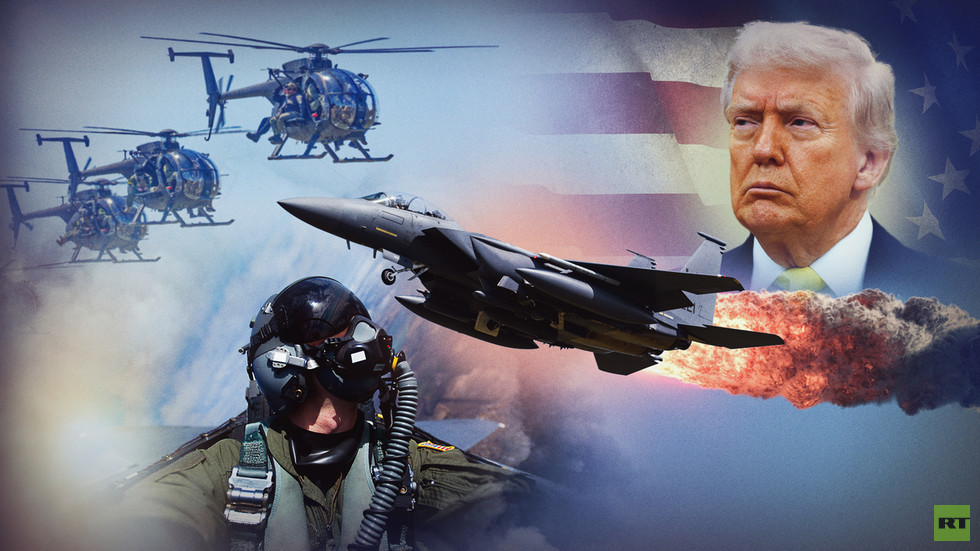
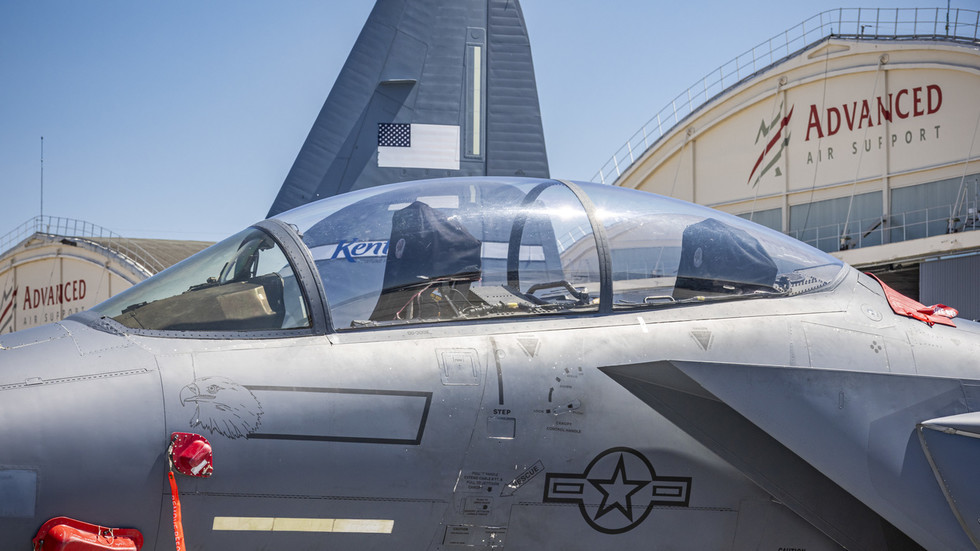
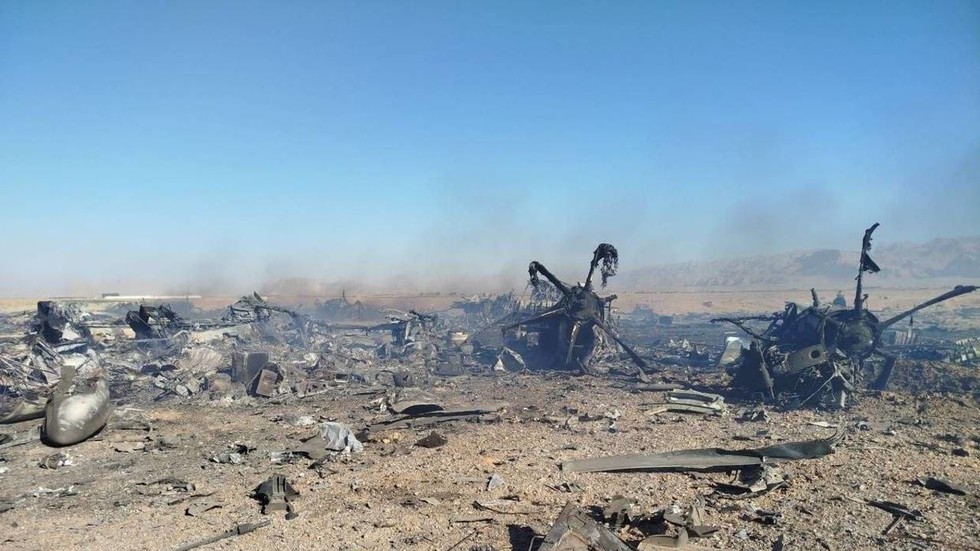
US and allied reports agree that a US F-15E Strike Eagle was shot down over Iranian territory, triggering an extensive search-and-rescue mission to recover its two-person crew. The operation reportedly involved a large package of US military assets, including transport aircraft, helicopters, attack aircraft, drones, and special operations forces operating in or near Iran’s Isfahan region and surrounding mountainous terrain. Both crew members were ultimately recovered alive, one of them a colonel who had evaded capture in difficult mountain conditions, and initial official statements emphasize that no American personnel were killed in the rescue despite claims by Iran that multiple US aircraft were destroyed or damaged. Publicly available accounts converge that President Donald Trump personally announced the successful rescue of the second crew member via his social media platform, cited injuries but an expected recovery, and framed the mission as a notable achievement given its depth inside hostile territory.
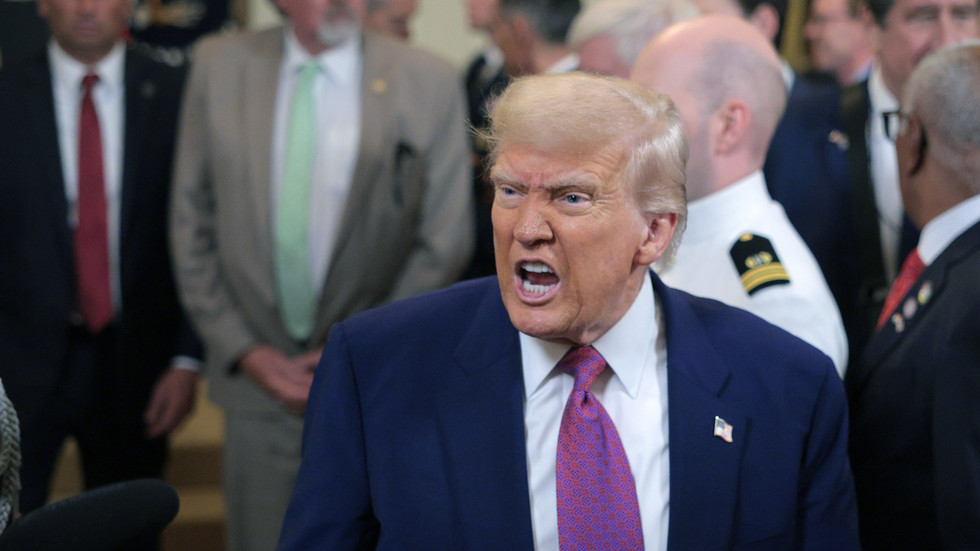
Across outlets there is broad acknowledgment of the wider informational and political context surrounding the incident, including Iran’s counter-claims about shooting down or damaging numerous US aircraft and the resulting war of narratives over the raid’s cost and effectiveness. Coverage consistently references the historical backdrop of past US rescue or evacuation setbacks and the sensitivity of deep operations inside Iran, highlighting the potential strategic implications for regional deterrence and escalation management. Reports also agree that the episode intersected with domestic US debates about information security and the commercialization of war, illustrated by controversy over a Polymarket betting market on the rescue outcome and allegations that prior Iran-related betting involved possible misuse of classified intelligence. Shared context further includes Trump’s subsequent threats of retaliation against Iran’s infrastructure and his harsh rhetoric toward a journalist alleged to have leaked details of the raid, underscoring how the rescue has quickly become entangled with questions about media freedom, leaks, and the boundaries of acceptable political and financial behavior in wartime.
Operational success and costs. Government-aligned sources emphasize the rescue as an operational triumph, stressing that both crew members were brought home alive from deep inside Iran with no confirmed American fatalities. They often downplay or cast doubt on Iranian claims that multiple US aircraft were lost, instead presenting reported equipment losses as either unverified enemy propaganda or acceptable costs in a high-risk mission. Opposition sources, by contrast, are more likely to foreground the scale of the alleged material losses and question whether the mission planning, intelligence, or risk calculus was sound, treating the same figures as evidence of overreach or poor strategic judgment.
Strategic implications. Government-aligned coverage tends to portray the raid as reinforcing US resolve and deterrence, suggesting it signals that the United States will go to great lengths to recover its personnel and is prepared to strike or operate inside Iran when necessary. It often casts Trump’s subsequent threats against Iranian infrastructure as part of a coherent pressure campaign and deterrent message. Opposition coverage is more inclined to warn that such deep operations and public threats risk escalating into a wider regional conflict, arguing that they may undermine long-term stability, strain alliances, and hand hardliners in Tehran a narrative of American aggression.
Information control and leaks. Government-aligned narratives focus heavily on the alleged leak about the rescue, echoing Trump’s description of the leaker as a dangerous actor whose disclosure supposedly alerted Iranian forces and jeopardized US troops. They tend to justify or at least normalize Trump’s threats to jail a journalist, framing them as a necessary response to endangering national security. Opposition outlets are more likely to see these threats as an attack on press freedom and whistleblowing, questioning whether the government is using national security claims to intimidate the media and obscure possible operational missteps.
Commercialization of conflict. Government-aligned coverage generally treats the Polymarket betting controversy as a moral and ethical outlier, highlighting bipartisan condemnation such as from Congressman Seth Moulton and focusing on the platform’s apology and removal of the market as a corrective step. They frame the issue as a matter of decency and respect for service members rather than systemic regulatory failure. Opposition coverage tends to use the same episode to argue that there is insufficient oversight of prediction markets and financial speculation tied to war, raising deeper concerns about insider trading, misuse of intelligence, and the broader commodification of conflict and human life.
In summary, government coverage tends to frame the rescue as a high-risk success that validates US resolve and justifies a hard line on leaks and threats toward Iran, while opposition coverage tends to stress the mission’s potential costs, escalation risks, threats to press freedom, and the troubling commercialization of war-related events.