government
Artemis II astronauts break Apollo-era record for distance from Earth
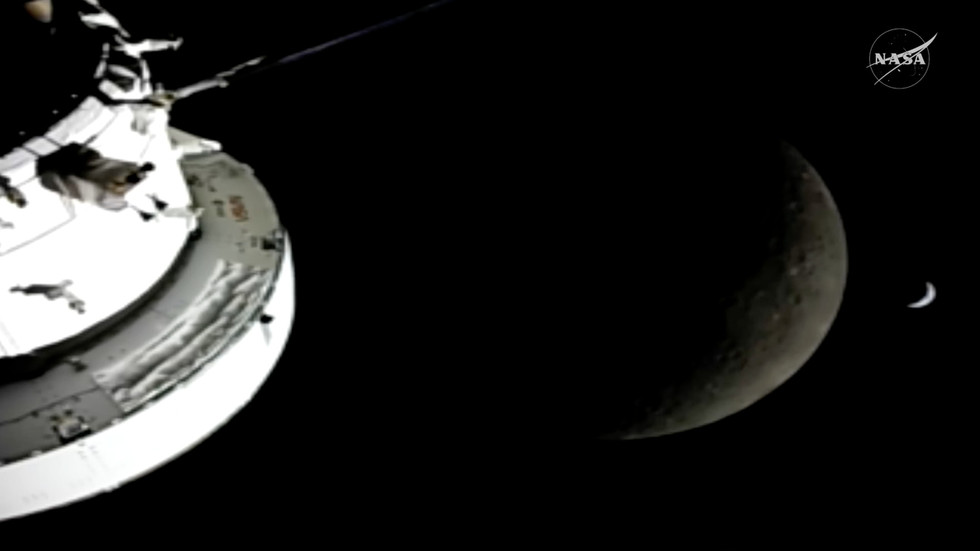
NASA astronauts on Artemis II have traveled farther from Earth than any humans before, surpassing the Apollo 13 distance record from 1970
13 days ago
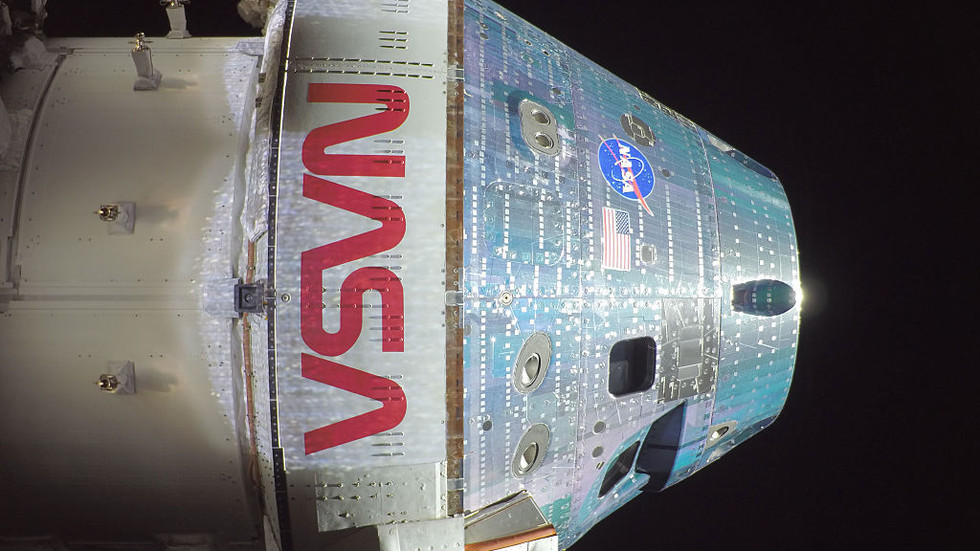
The Artemis II mission is reported by all sides as a historic crewed test flight of NASA’s Orion spacecraft on a roughly ten‑day journey around the Moon and back to Earth. Coverage agrees that the four‑astronaut crew has now traveled farther from Earth than any humans in history, surpassing the distance record set by Apollo 13 in 1970 by reaching about 252,757 miles from Earth. Reports also concur that during the closest lunar approach Orion came within roughly 4,070 miles of the Moon’s surface, that this phase included a planned communications blackout of about 40 minutes as the Moon blocked signals to Mission Control, and that the spacecraft is following a conservative, safety‑focused trajectory before returning for splashdown.
Across outlets, reporting highlights shared context that Artemis II is a pivotal step in NASA’s broader deep space exploration agenda, which aims to return humans to the lunar vicinity and ultimately prepare for missions to Mars. All sides describe Artemis as part of a multi‑mission program in which this flight is a systems and crew shakedown rather than a landing attempt, emphasizing that safety lessons from Apollo have shaped today’s more cautious flight profile. There is agreement that programmatic adjustments are underway: Artemis III is now framed as concentrating on lander testing instead of a crewed lunar landing, and plans for a Lunar Gateway station in lunar orbit are being scaled back or effectively cancelled, indicating a significant reconfiguration of NASA’s Moon strategy while keeping the long‑term goal of sustained lunar presence and Mars preparation intact.
Framing of the record. Government‑aligned outlets portray the distance and flyby records as unambiguous national and scientific triumphs, emphasizing the historic nature of surpassing Apollo 13 and the precision of the Orion trajectory. Opposition‑leaning coverage, where present, is more likely to question whether beating an Apollo‑era distance mark without attempting a landing is a substantive breakthrough or mainly a symbolic one. Government sources focus on continuity from Apollo to Artemis as a narrative of steady progress, while opposition voices tend to stress the long gap since humans last approached the Moon and frame the record as overdue rather than transformational.
Program changes and strategy. Government narratives typically describe the shift of Artemis III toward lander testing and the effective cancellation of the Lunar Gateway as pragmatic recalibration to improve safety, reduce complexity, and protect schedules. Opposition‑oriented reporting instead casts these moves as signs of strategic drift or retreat, arguing that dropping key elements like the Gateway undercuts earlier promises of a sustained lunar infrastructure. While government sources highlight flexibility and learning as strengths of the program, opposition accounts use the same decisions to question NASA’s long‑term planning and the administration’s commitment to a coherent lunar architecture.
Risk and safety emphasis. Government media underscore the conservative trajectory, the planned communications blackout, and meticulous mission design as evidence that lessons from Apollo and modern risk management are being applied responsibly. Opposition coverage is more inclined to suggest that an overemphasis on caution and incremental testing may be driven by political risk aversion and fear of failure in a high‑visibility program. In government framing, the absence of dramatic maneuvers is a virtue that preserves astronaut safety, whereas opposition commentary sometimes frames this caution as limiting ambition and slowing tangible milestones like a surface landing.
Use of public funds and priorities. Government‑aligned reporting tends to justify the Artemis II mission and its restructured follow‑ons as essential investments in national leadership, technology development, and future economic benefits from lunar and Mars exploration. Opposition sources, when critical, are more prone to juxtapose the record‑setting flight and evolving Moon strategy with domestic spending needs, questioning whether repeated test flights and abandoned infrastructure concepts offer sufficient return on taxpayer money. Government coverage usually presents the mission as a unifying, forward‑looking national project, while opposition coverage may treat it as an elite or politically driven priority whose changing scope raises accountability concerns.
In summary, government coverage tends to celebrate Artemis II as a historic, carefully managed success that validates NASA’s evolving Moon strategy, while opposition coverage tends to treat the same achievements as more symbolic, using the program’s reconfigurations and caution to question ambition, strategic coherence, and public value.