government
US leader says main demand Iran should not acquire nuclear weapon
Donald Trump called this criterion of a good deal with Iran "that's 99%"
13 days ago
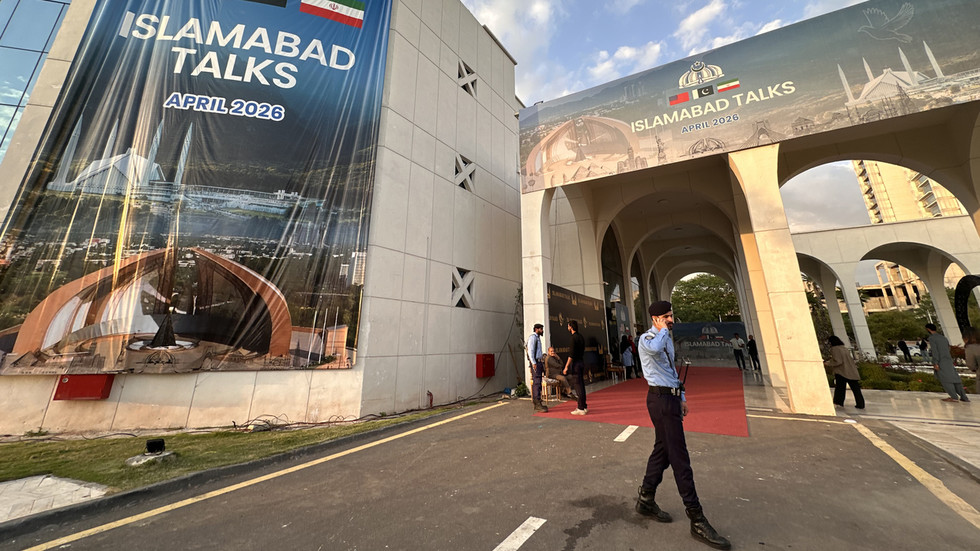
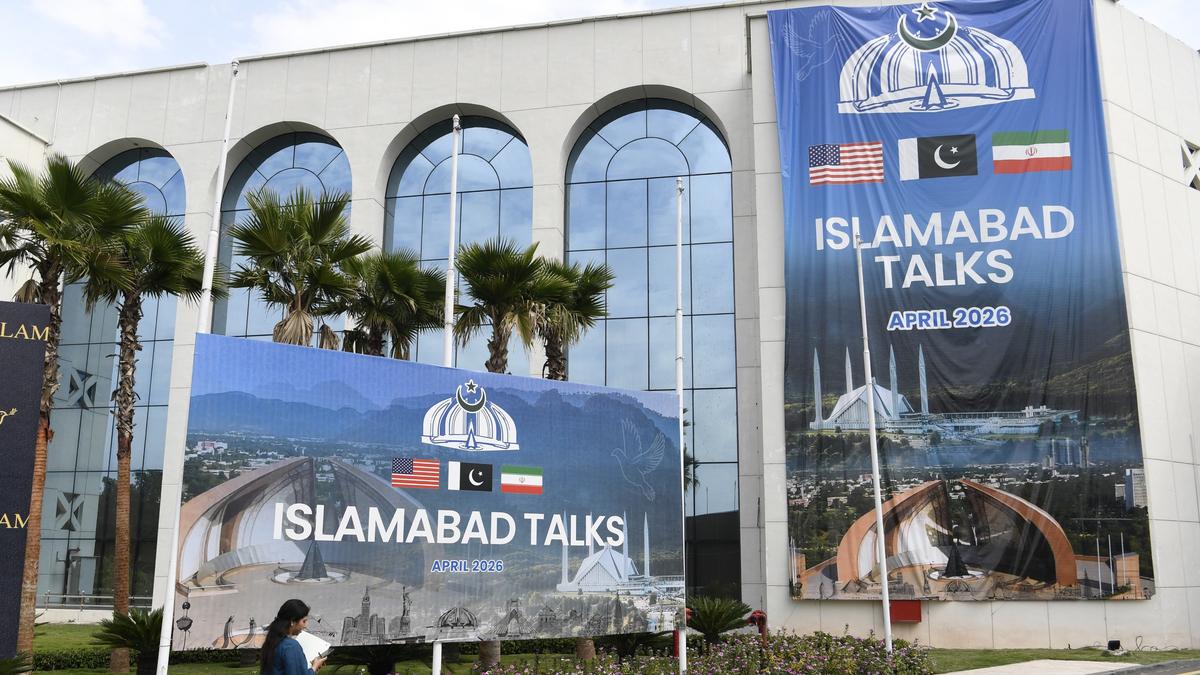
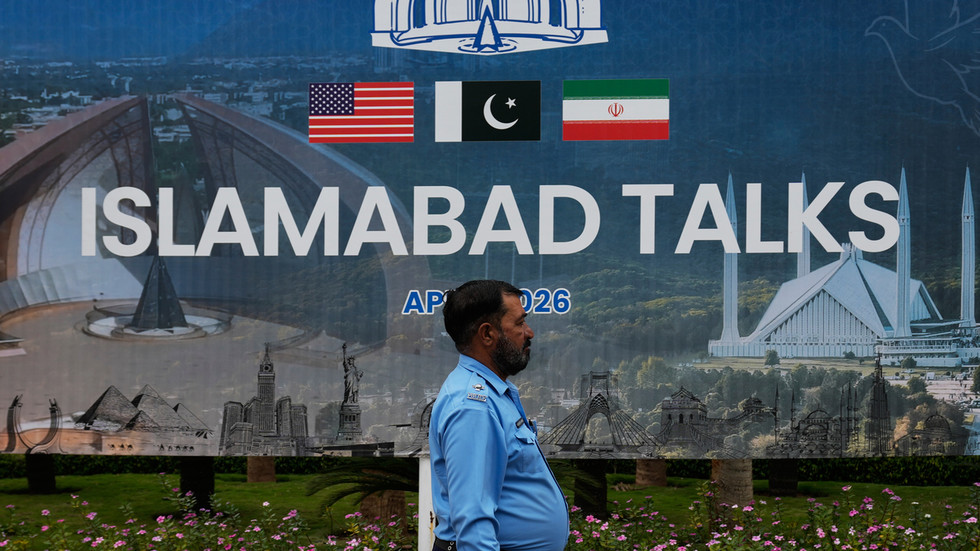
US and Iranian delegations are gathering in Islamabad, Pakistan, for several days of direct talks, widely characterized as the most important bilateral engagement since the 1979 Islamic Revolution and the first formal direct talks since the 2015 nuclear deal. Both sides are reported to be staying at or near the Serena Hotel, where rooms have been cleared and security ramped up as Pakistani authorities declare public holidays around April 9–10, with negotiations expected to begin after 5:00 p.m. local time on Saturday. Coverage agrees that the agenda spans nuclear issues, sanctions relief, the status of frozen Iranian funds, maritime security and safe passage through the Strait of Hormuz, regional ceasefires, and the fate of detained Americans, all under the shadow of an announced but fragile US-Iran mutual ceasefire. All outlets also note that there is significant mistrust on both sides, that the talks will largely be held behind closed doors, and that Pakistani mediation—alongside quiet encouragement from other powers like Russia—is central to creating a channel for these discussions.
Across both government-aligned and opposition sources there is shared context that US policy is officially centered on preventing Iran from acquiring nuclear weapons, while Iran insists it does not seek such arms and instead frames its 10-point proposal as a broader regional peace plan. There is agreement that Iran’s plan links sanctions relief, the unfreezing of assets, and reparations claims to issues such as ceasefires in Lebanon and Gaza, Gulf maritime security, and the presence and activities of US and allied forces in the region. Coverage from both sides situates the Islamabad talks within a long arc of failed or partial diplomatic efforts, including the 2015 nuclear deal and subsequent US withdrawal, and points to repeated ceasefire breakdowns and Israeli military operations as critical background drivers of the current crisis. All accounts underline that these talks take place amid broader debates over Gulf security architecture, the role of regional and extra-regional powers, and whether any agreement reached in Islamabad can translate into durable de-escalation on the ground.
Goals and sincerity. Government-aligned outlets tend to present the US as primarily focused on a narrow, clear objective—ensuring Iran does not obtain nuclear weapons—and suggest that convening the talks, agreeing to a ceasefire, and even considering the unfreezing of funds signal Washington’s seriousness about de-escalation. Opposition sources, by contrast, frame Washington’s goal as managing or scaling down the conflict rather than resolving it, citing voices who argue that the US benefits from sustained instability and seeks only to control escalation rather than end sanctions and military pressure. While both acknowledge Iranian mistrust, government coverage portrays Iran as a demanding but engaged actor, whereas opposition narratives stress that Iran is genuinely seeking a comprehensive settlement in the face of US bad faith.
Economic concessions and leverage. Government-aligned reporting highlights US willingness to unfreeze at least some Iranian assets and link them to arrangements over safe passage in the Strait of Hormuz, but also stresses uncertainty and conflicting signals from the White House about the extent and timing of any release. Opposition coverage, however, emphasizes the long history of punitive sanctions and asset freezes as tools of coercion, portraying any talk of unfreezing funds as partial, reversible, and tightly conditioned leverage rather than a true concession. In government narratives, these economic steps are framed as evidence of flexibility intended to support a peace framework, while opposition accounts cast them as bargaining chips meant to extract Iranian compromises on regional activities and security guarantees without addressing broader economic injustice.
Assignment of blame for regional conflict. Government-aligned sources, particularly those amplifying Russian and some Middle Eastern voices, denounce the war as having been unleashed by the United States and Israel but still largely frame current diplomacy as an opportunity for all sides to act responsibly and avoid derailment. Opposition outlets more directly foreground US and Israeli responsibility, treating their past interventions, sanctions, and military campaigns as root causes of today’s crises and as key obstacles to any sustainable peace emerging from Islamabad. Where government coverage stresses shared responsibility and the need for all parties to refrain from provocations, opposition coverage underscores asymmetry in power and culpability, arguing that Washington and its allies must fundamentally change course rather than simply fine-tune their approach.
Framing of Pakistan’s and external actors’ roles. Government-aligned media often depict Pakistan as a constructive mediator providing a neutral venue, with Russia urging a responsible diplomatic approach and promoting its own Gulf security initiatives as complementary to the Islamabad process. Opposition coverage generally treats Pakistan’s role as important but constrained, suggesting that real leverage lies with Washington and its allies and casting external calls for responsibility as insufficient unless accompanied by concrete shifts in US and Israeli behavior. As a result, government narratives highlight a multilateral diplomatic track in which Islamabad, Moscow, and others can help stabilize the situation, while opposition narratives downplay these supportive roles and focus instead on entrenched Western dominance over the terms and outcomes of the talks.
In summary, government coverage tends to frame the Islamabad talks as a serious diplomatic effort driven by US non-proliferation goals, cautious flexibility on sanctions and assets, and shared responsibility for de-escalation, while opposition coverage tends to portray Washington as seeking only managed conflict, using economic tools as coercive leverage, and bearing primary blame—along with Israel—for the instability that these talks may struggle to overcome.