government
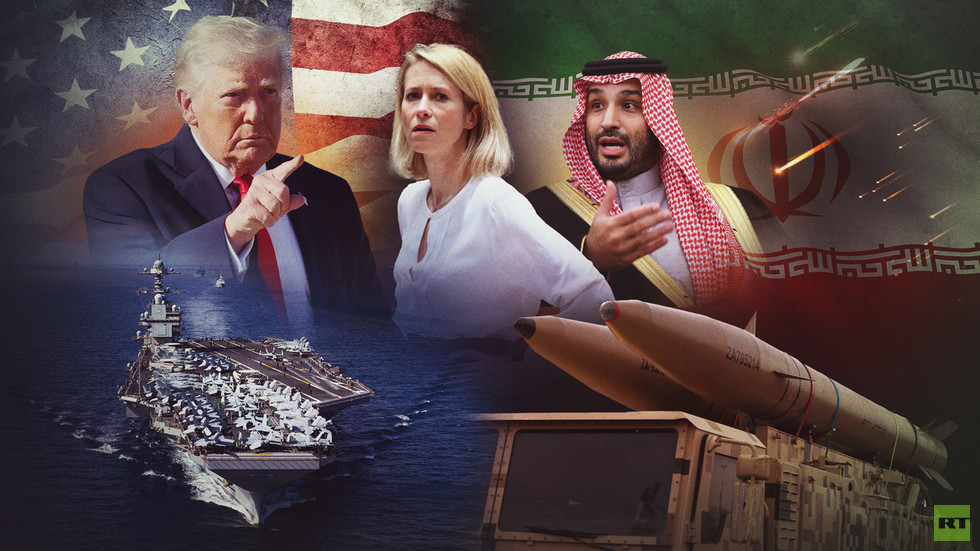
US aircraft carrier USS Abraham Lincoln spotted 200 km away from Iran
According to BBC, it was the closest approach to Iran by a US vessel since the start of the military operation
6 days ago
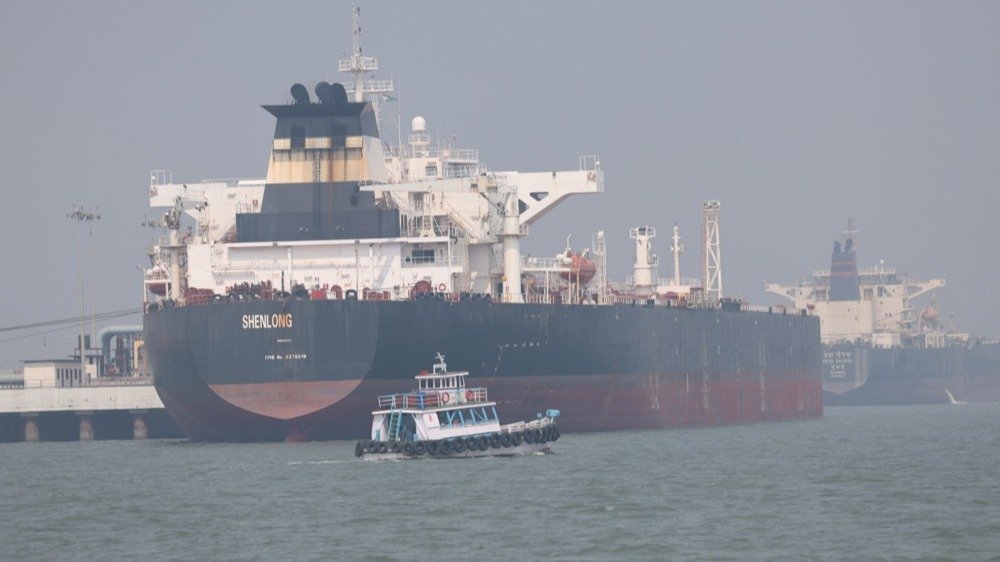
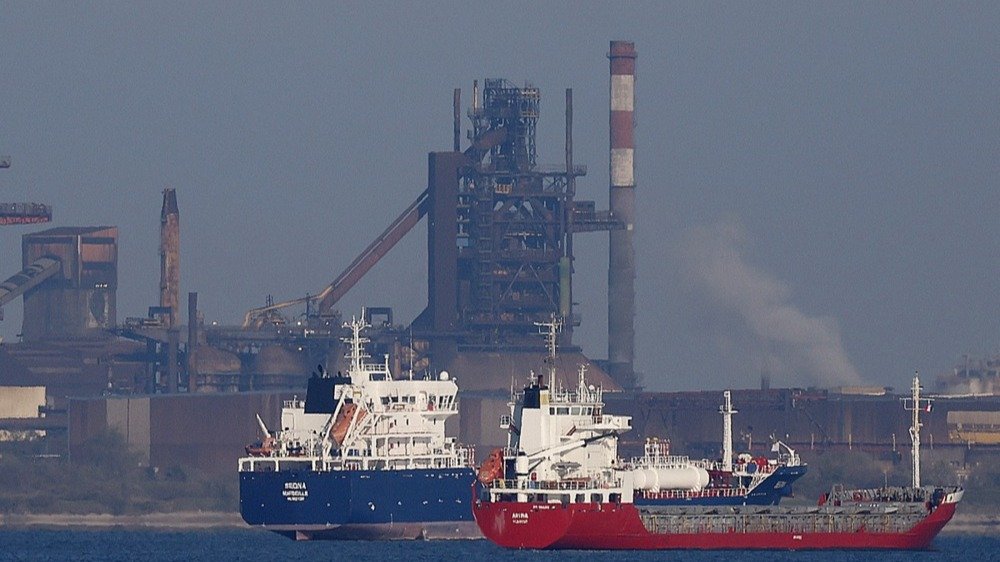
US and opposition-aligned sources agree that Washington has announced, and now begun implementing, a naval blockade aimed at Iran’s maritime trade, centered on its oil exports and port traffic. Both sides report that the measure took effect on or around April 13, is being enforced by substantial US naval assets including the carrier USS Abraham Lincoln and accompanying destroyers, and has been announced personally by President Donald Trump and operationally by US Central Command. They concur that the blockade affects maritime access to Iranian ports across the Persian Gulf and Gulf of Oman, that traffic flows through or near the Strait of Hormuz have already been disrupted or complicated, and that at least some commercial vessels, including sanctioned tankers, have continued to transit the area under varying levels of risk and monitoring. Both sets of coverage note that talks between senior US and Iranian officials in Islamabad on April 11 ended without agreement, that Iran denounces the move as illegal and threatening, and that global oil prices have spiked above $100 per barrel amid fears of energy-market turmoil.
On broader context, both government and opposition outlets frame the blockade as the latest escalation in a long-running confrontation over Iran’s nuclear program, sanctions, and regional military activities. They describe the Strait of Hormuz as a critical chokepoint for global energy supplies, with any sustained disruption likely to hurt economies worldwide and trigger diplomatic friction. Both acknowledge that key international actors, including the European Union, China, Saudi Arabia, and other US partners, are uneasy or divided about the US course of action, emphasizing worries about freedom of navigation and knock-on effects for shipping and fuel prices. Coverage on both sides also situates the blockade within a pattern of failed or stalled negotiations, growing military risks, and competing efforts by outside powers to shape post-crisis security arrangements in the Gulf.
Scope and effectiveness. Government-aligned coverage portrays the blockade as sweeping and largely airtight, citing CENTCOM’s claim that no ships have successfully breached restrictions on access to Iranian ports and that several merchant vessels have been turned back. Opposition outlets, by contrast, emphasize continued tanker movements through the Strait of Hormuz, highlighting specific ships that have passed despite the announced blockade and suggesting the measure is at least partially porous. Government reports tend to stress the scale of US forces and their ability to enforce orders, whereas opposition sources suggest that rules of engagement are narrower, allowing non-Iran-bound traffic and thereby undercutting the notion of a “complete” blockade.
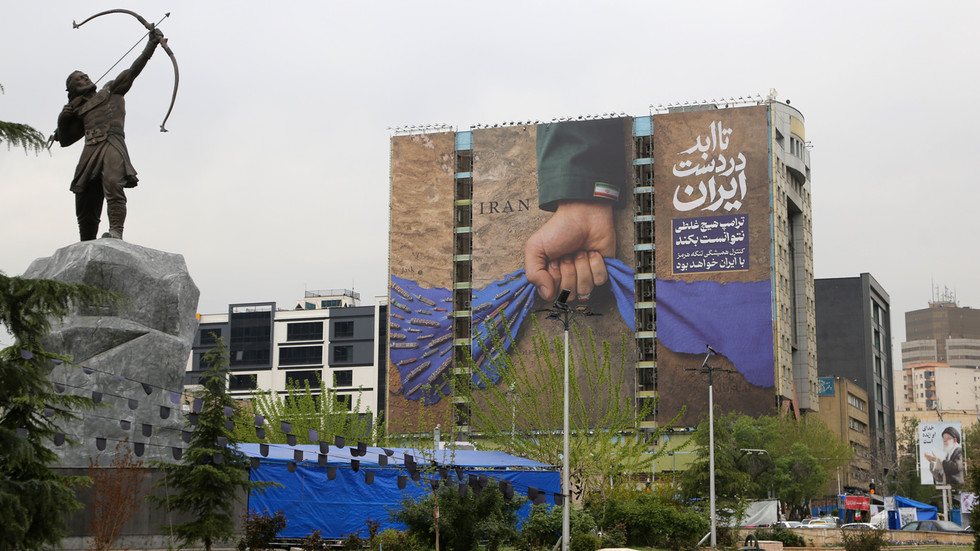
Legal framing and legitimacy. Government-oriented reporting generally echoes or neutrally relays Washington’s justification that the blockade is a tool to increase pressure on Iran over its nuclear program and regional behavior, often linking it to broader sanctions policy and claims of defending freedom of navigation against Iranian interference. Opposition outlets foreground Iran’s denunciation of the move as illegal and akin to piracy, and they highlight European and other foreign criticism to argue that the US lacks clear international legal authority or broad coalition backing. While government sources do mention confusion or concern among allies, they frame it more as a communications gap than a fundamental challenge to the blockade’s legitimacy, whereas opposition coverage treats that criticism as evidence the policy is rogue or destabilizing.
Strategic rationale and risks. Government-aligned media tend to present the blockade as a means of strengthening Washington’s bargaining position and compelling Tehran back to the negotiating table, asserting that Iran’s economy is being further weakened and that US leverage is increasing. Opposition coverage questions this narrative, stressing the risk of a wider regional war, direct confrontation with China, and damage to global energy markets, and often portrays the move as an impulsive or politically motivated escalation by Trump rather than a coherent strategy. The government side underscores deterrence and the threat to destroy blockade-runners as necessary firmness, while the opposition side warns such rhetoric heightens chances of miscalculation and could entrench Iranian hardliners.
Allied and global reaction. Government-focused reporting notes that some partners may join or quietly support aspects of the operation while others, such as parts of the EU, express confusion or caution, but it still frames the US as leading a coalition effort to contain Iran. Opposition outlets more prominently highlight refusals by states like the UK and France to participate militarily, as well as Saudi and European calls for negotiations and lifting the blockade, suggesting the US is increasingly isolated. Government narratives emphasize Israel’s support and downplay allied reluctance, whereas opposition narratives use that reluctance, along with Chinese criticism, to argue that Washington is out of step with much of the international community.
In summary, government coverage tends to depict the blockade as a largely effective, strategically purposeful measure that enhances US leverage despite some allied misgivings, while opposition coverage tends to portray it as legally dubious, only partially enforced, diplomatically isolating, and dangerously escalatory for the region and global energy markets.