government
The US naval blockade of Iran sets it on a collision course with China
The US is trying to gain leverage over Iran through a naval blockade that compounds the disruption of energy supplies from the Persian Gulf
9 days ago
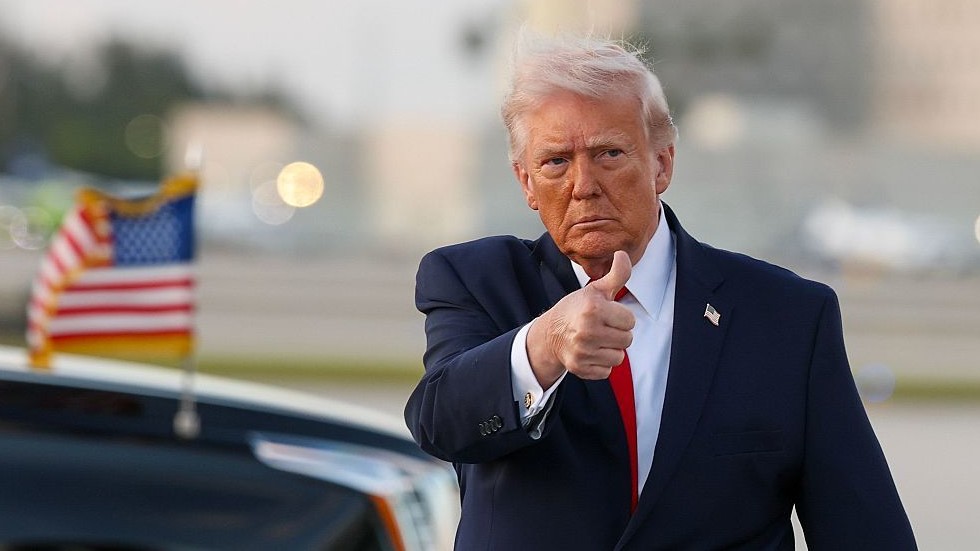
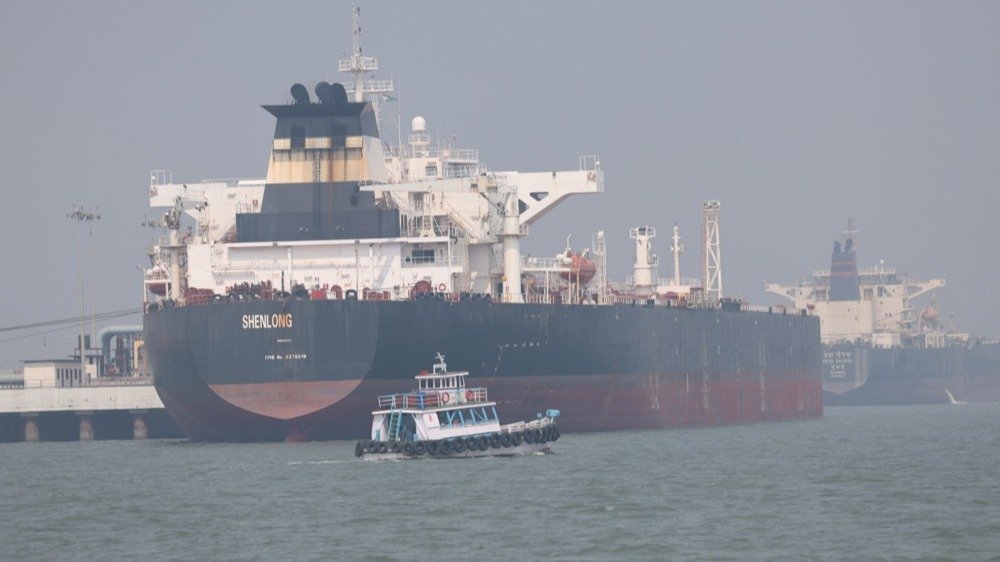
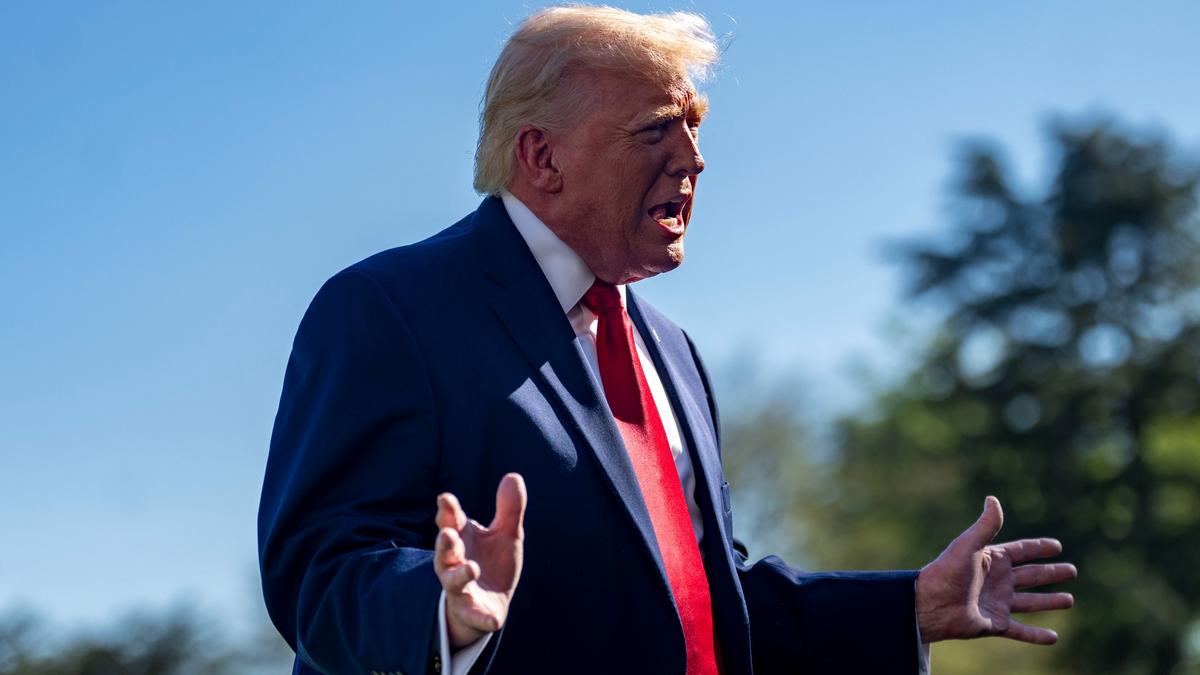
US and foreign media aligned with both government and opposition sources report that the United States has announced and begun implementing a naval blockade on maritime traffic linked to Iranian ports and energy exports, centered on the Persian Gulf, Gulf of Oman, and the Strait of Hormuz, with key measures taking effect around April 13. They agree that President Donald Trump publicly ordered what he termed a "complete" blockade, that US Central Command is responsible for operational enforcement with tens of thousands of personnel and significant naval and air assets, and that all vessels regardless of flag face restrictions when engaging Iranian ports, oil terminals, or coastal facilities, with at least several merchant ships already diverted or turned back. Coverage from both sides also notes that Iran has condemned the move as illegal, that talks in Islamabad over Iran’s nuclear program and sanctions relief collapsed shortly before the blockade decision, that oil prices spiked past $100 per barrel, and that allies are divided—Israel broadly supportive while many European states and regional partners are cautious or non-participating.
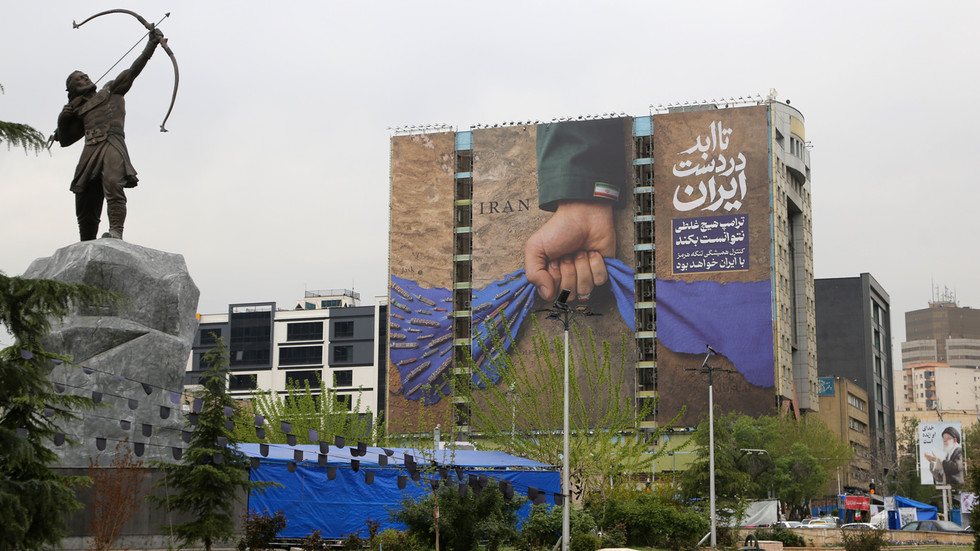
On context, both government and opposition reports frame the blockade as the latest escalation in a long-running confrontation over Iran’s nuclear activities, regional influence, and US sanctions policy in the Gulf. They concur that Washington’s stated aims include cutting off Iran’s oil revenue, forcing Tehran back to negotiations, and curbing what the US describes as destabilizing activity, while Iran portrays the move as economic warfare and piracy. Both sides highlight the strategic importance of the Strait of Hormuz to global energy markets, the existence of pre-positioned Iranian oil tankers acting as floating storage, and the risk of broader regional conflict involving Israel, Gulf monarchies, and external powers such as China, which has energy deals with Iran and has criticized the blockade as destabilizing.
Legality and legitimacy. Government-aligned coverage tends to emphasize US justifications in terms of sanctions enforcement, freedom of navigation for non-Iranian trade, and the need to counter Iranian "illicit" oil exports, often implying that US actions are grounded in existing UN or domestic sanctions regimes. Opposition outlets, by contrast, foreground Iran’s denunciations of the blockade as piracy and a violation of international law, stressing that many US allies refuse to join precisely because they view the move as lacking clear legal mandate. While government sources downplay legal controversy as secondary to security imperatives, opposition reports frame the legality question as central evidence that Washington is acting as a rogue actor.
Scope and effectiveness of the blockade. Government reporting highlights strong operational control, citing CENTCOM claims that not a single Iranian ship has successfully broken the blockade and describing robust coverage of the Gulf and Hormuz with layered naval and air assets. Opposition sources tend to stress loopholes and ambiguities, noting that traffic not bound to Iranian ports is officially allowed, that more than 20 vessels continue to transit Hormuz (some with AIS turned off), and that Iran preemptively moved oil to sea-based storage to blunt the shock. Government narratives portray the operation as militarily effective and strategically tightening pressure, whereas opposition narratives cast it as porous, partially symbolic, and potentially unsustainable.
Strategic rationale and risk. Government-aligned accounts generally frame the blockade as a calibrated pressure tool intended to compel better behavior from Tehran without major war, emphasizing deterrence, negotiation leverage, and support from Israel and some regional actors. Opposition outlets argue that the move reflects a breakdown of diplomacy after the Islamabad talks and an impulsive escalation by Trump, warning that it places US forces on a collision course not just with Iran but also with China and skeptical European partners. While government coverage treats risk as manageable and justified by the threat posed by Iran, opposition coverage underscores heightened danger of regional war, attacks on shipping, and long-term damage to US alliances.
Domestic and international political support. Government coverage stresses that "many" countries are expected or claimed by Trump to cooperate, highlighting Israel’s backing and suggesting quiet alignment from some Gulf monarchies, even as some European states urge caution. Opposition reports focus on explicit refusals by key partners such as the UK and France to join the mission, interpreting this as evidence of diplomatic isolation and doubts about Washington’s strategy. Government-aligned narratives thus present the blockade as broadly supported leadership against Iranian aggression, whereas opposition narratives present it as a divisive initiative that splits the West and undermines US credibility.
In summary, government coverage tends to depict the blockade as a largely effective, legally defensible, and strategically necessary measure backed by a meaningful coalition, while opposition coverage tends to portray it as legally dubious, operationally leaky, diplomatically isolating, and dangerously escalatory.