government
Iran shuts down Strait of Hormuz over US ‘piracy,’ Trump calls move ‘cute’
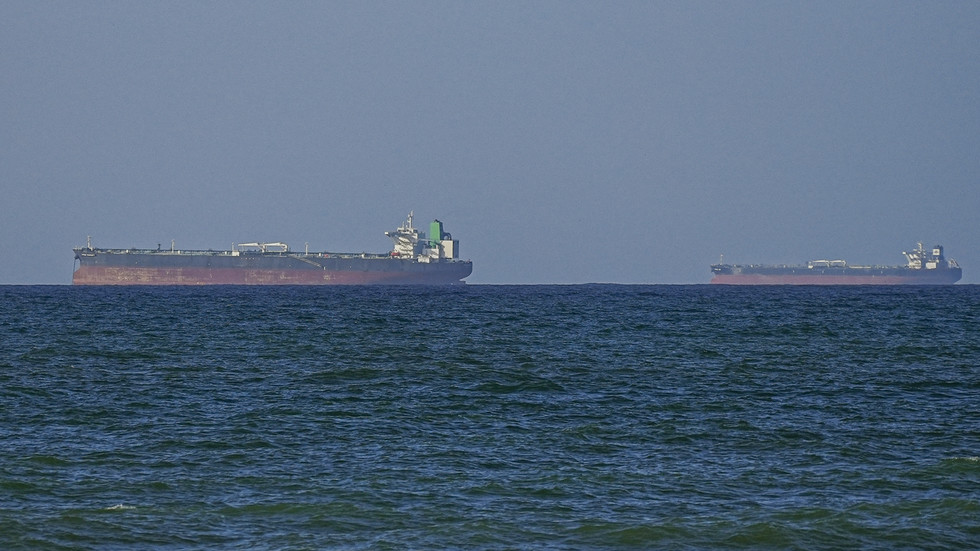
Iran has restricted passage through the Strait of Hormuz after Trump said the US would maintain the country’s blockade
3 days ago
Iranian and international reports concur that Iran, acting through the Islamic Revolutionary Guard Corps Navy, has announced the closure of the Strait of Hormuz to most commercial traffic as of Saturday evening, conditioning any reopening on a full lifting of the United States naval blockade of Iranian ships and ports. Both sides acknowledge that this follows a brief, earlier Iranian announcement of a temporary reopening that helped push oil prices down, before Tehran reversed course, and that US President Donald Trump publicly asserted the blockade would stay in place despite Iranian claims. There is agreement that shipping in the strait has already seen attacks on several commercial vessels, prompting at least India to lodge diplomatic protests, that global crude oil prices have risen amid fears of supply disruptions, and that risks to fuel availability and broader supply chains have increased.
Coverage also broadly agrees that the strait is a critical maritime chokepoint for global energy and goods flows, that Iran maintains de facto military control over its own coastal waters there, and that the Revolutionary Guard is the main operational actor implementing the new restrictions. Reports on all sides note the broader context of an existing ceasefire framework between Iran and the United States, under which Iran expected relief from certain maritime pressures, and that Iranian officials frame the US naval posture as a continuation of long‑running sanctions and coercive measures. Both perspectives highlight that Tehran’s moves are being justified with reference to international law and security of its coastline, that oil markets and food security are exposed to prolonged instability if the situation persists, and that diplomatic channels—whether via regional partners like India or global institutions—are likely to come under increasing strain as the standoff continues.
Legality and justification. Government-aligned outlets insist Iran’s closure of the strait is a lawful defensive measure under international law, portraying the US naval blockade as a form of piracy and a violation of ceasefire obligations, while opposition sources would be more likely to question the legality and proportionality of unilaterally shutting an international waterway. Government narratives emphasize Iran’s sovereign right to secure its coastline and enforce conditions until the blockade ends, whereas opposition reporting would highlight obligations to maintain freedom of navigation. Where government coverage stresses legal arguments and hostile US actions, opposition outlets would tend to frame the move as escalatory brinkmanship that endangers regional and global stability.
Responsibility and blame. Government media place primary blame on Washington, characterizing the US as having broken the ceasefire by keeping the blockade and thereby forcing Iran’s hand, while opposition sources would more often stress that Tehran’s decision to close the strait is a discretionary escalation. Government accounts depict Iran as reacting to US bad faith and Trump’s unreliable statements, but opposition coverage would likely argue that Iran bears direct responsibility for disrupting global trade and heightening the risk of conflict. In government framing, the United States is the aggressor and Iran the aggrieved party; in opposition framing, both sides share blame, with particular criticism of Iran’s tactic of leveraging a global chokepoint.
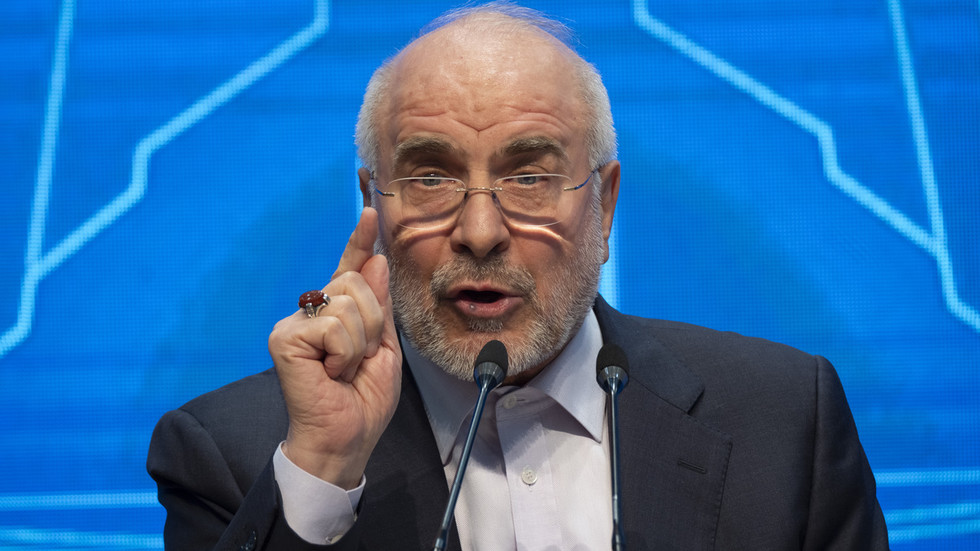
Characterization of US statements and credibility. Government outlets underscore claims by figures like parliamentary speaker Mohammad Bagher Ghalibaf that Trump lied multiple times in a single hour about the status of the strait, presenting US messaging as deceptive and detached from facts on the water, while opposition outlets would tend to treat both US and Iranian statements with skepticism. Government coverage dismisses Trump’s social media pronouncements as irrelevant to real negotiations, contrasting them with Iran’s "actions on the ground," whereas opposition media would likely question Iran’s own sudden policy reversals and rhetoric. Thus, government narratives frame US leadership as uniquely untrustworthy, while opposition narratives would more evenly scrutinize credibility on both sides.
Impact on civilians and the economy. Government-aligned reporting acknowledges higher oil prices and potential fuel and food security risks but frames these as unavoidable consequences of US aggression and blockade, whereas opposition outlets would probably dwell more on the harm to ordinary Iranians and global consumers caused by Iran’s closure of the strait. Government sources stress that any economic pain is a byproduct of defensive resistance and Western pressure, but opposition voices would warn that Tehran’s strategy could exacerbate domestic economic hardship and international isolation. Where government narratives emphasize strategic leverage and national dignity, opposition coverage would focus more on long-term economic costs and the risk that Iran’s actions alienate potential partners like India.
In summary, government coverage tends to present the closure of the Strait of Hormuz as a legally justified, defensive response to US violations and unreliable leadership, while opposition coverage tends to cast it as a risky, self-damaging escalation that shares or shifts blame onto Tehran for endangering navigation, the economy, and regional stability.