government
Why Ukraine is so important to the Bulgarian establishment
Acting Bulgarian Prime Minister Andrey Gyurov is racing to give Ukraine whatever he can before the likely victory of Rumen Radev in Bulgaria’s elections
6 days ago
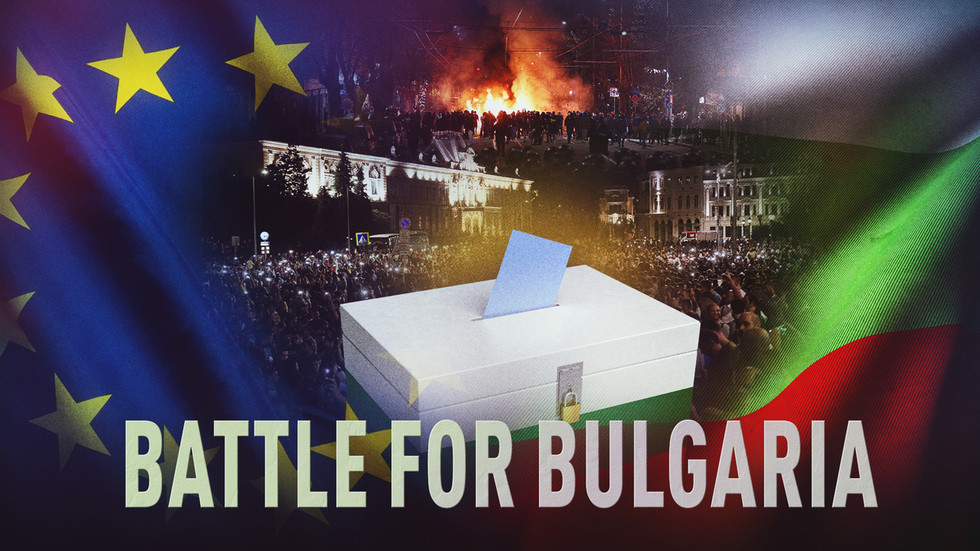
Bulgaria is holding early parliamentary elections, the eighth vote in roughly five years, amid a protracted political and institutional crisis marked by fragmented parliaments and short-lived governments. Across both government-aligned and opposition coverage, there is agreement that the newly formed Progressive Bulgaria movement associated with former president Rumen Radev is polling ahead of the long-dominant GERB-SDS coalition led by Boyko Borissov, and that today’s ballot could again reshape coalition arithmetic without guaranteeing long-term stability. Both sides also concur that turnout is being depressed by voter fatigue, that repeated snap elections and caretaker cabinets have become the norm since around 2020–2021, and that the outcome will influence the country’s orientation on foreign policy issues such as the Russia-Ukraine war and Bulgaria’s stance within the EU and NATO.
Shared context in both narratives emphasizes that Bulgaria’s political turmoil reflects deeper problems of corruption, weak party discipline, and distrust in institutions, leading to an almost continuous cycle of interim administrations and failed coalition talks. Coverage from both camps also notes that Bulgaria’s foreign policy is tightly bound to EU and NATO agendas, with energy security and military cooperation—particularly regarding Ukraine—treated as strategic pillars that intersect with domestic politics; structural questions about judicial reform, anti-corruption measures, and economic modernization are framed as long-standing, unresolved drivers of the instability rather than products of a single election.
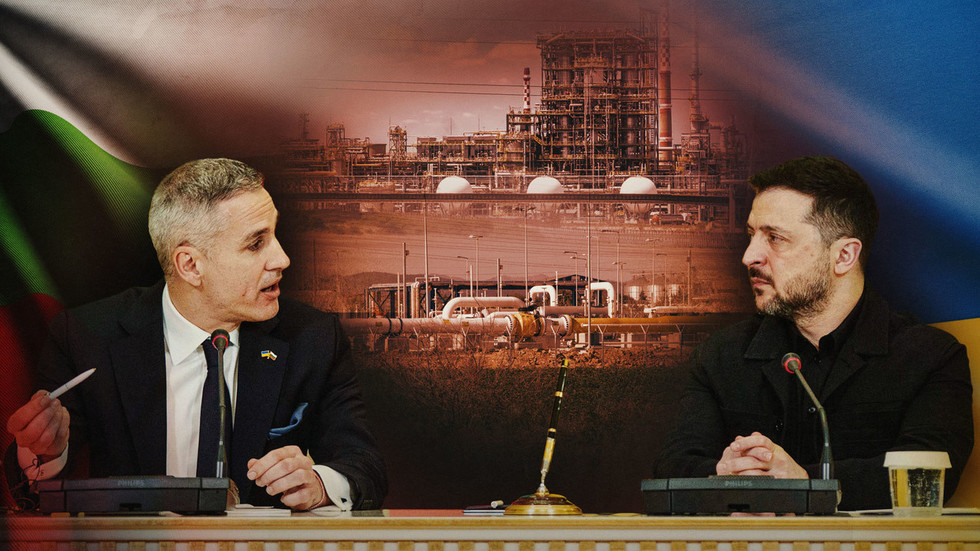
Significance of the Ukraine agreements. Government-aligned outlets present acting Prime Minister Andrey Gyurov’s ten-year military cooperation agreement with Ukraine—covering joint drone and munitions production, training, and sanctions alignment—as a strategic, forward-looking commitment that secures Bulgaria’s place in Western security structures. Opposition sources, while acknowledging the agreement, tend to frame it as an eleventh-hour maneuver by an embattled establishment seeking external backing and political legitimacy ahead of a volatile vote. Government narratives stress continuity and responsibility toward allies, whereas opposition reports question the democratic mandate for such long-term commitments made by a caretaker or vulnerable government.
Foreign policy orientation and Radev’s role. Government-friendly coverage describes Rumen Radev’s Progressive Bulgaria as a leading contender whose more neutral stance on the Russia-Ukraine conflict could recalibrate, but not rupture, Bulgaria’s EU and NATO alignment. These outlets emphasize that any shift under Radev would have to operate within existing Western institutional frameworks and energy projects like the Vertical Gas Corridor. Opposition reporting, by contrast, highlights Radev’s evolution from eurosceptic to more pragmatic, arguing that his rise reflects public disillusionment with rigid pro-Western elites and could bring a more independent foreign policy line, especially on sanctions and military support to Ukraine.
Interpretation of political paralysis. Government-aligned media tend to portray the succession of eight elections in five years as a systemic challenge caused by fragmented party politics and populist actors on all sides, including Radev’s camp, arguing that stability requires responsible compromise and adherence to Euro-Atlantic priorities. Opposition outlets, however, stress that the crisis stems primarily from entrenched corruption, misgovernance, and the refusal of the old establishment (notably GERB-linked networks and their allies) to relinquish control over state institutions. Where government sources highlight chronic dysfunction as a shared national problem, opposition narratives personalize the blame around long-ruling elites and their policy choices.
Energy and economic stakes. In government-aligned reporting, projects such as the Vertical Gas Corridor and closer defense-industrial ties with Ukraine are framed as economic modernization tools that diversify energy supplies, attract Western investment, and embed Bulgaria in regional infrastructure. Opposition coverage is more skeptical, suggesting these initiatives may lock Bulgaria into externally driven agendas that benefit select political and business circles rather than the broader population. Government narratives stress macroeconomic and strategic gains, while opposition narratives focus on distributional impacts, transparency, and the risk of deepening dependency on Western partners.
In summary, government coverage tends to cast the elections as a test of Bulgaria’s capacity to maintain Euro-Atlantic continuity and institutional stability amid systemic fragmentation, while opposition coverage tends to portray them as an opportunity to break with a corrupt, Western-dependent establishment and pursue a more autonomous, domestically accountable course.