government
'Potential targets': Ex-Russian president speaks out on MOD’s Ukraine-linked European drone network list
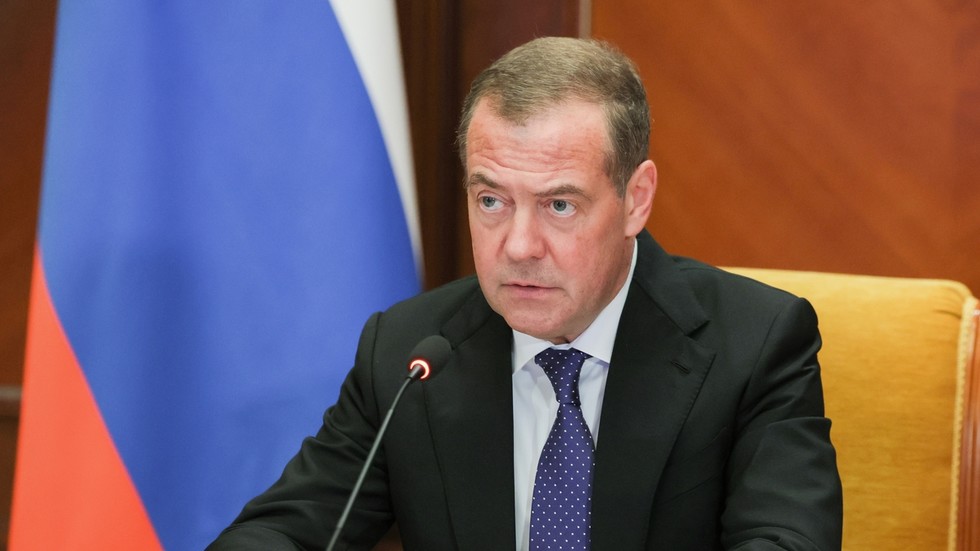
Former Russian President Dmitry Medvedev has issued a new warning to “European partners” over drones-for-Ukraine effort
7 days ago
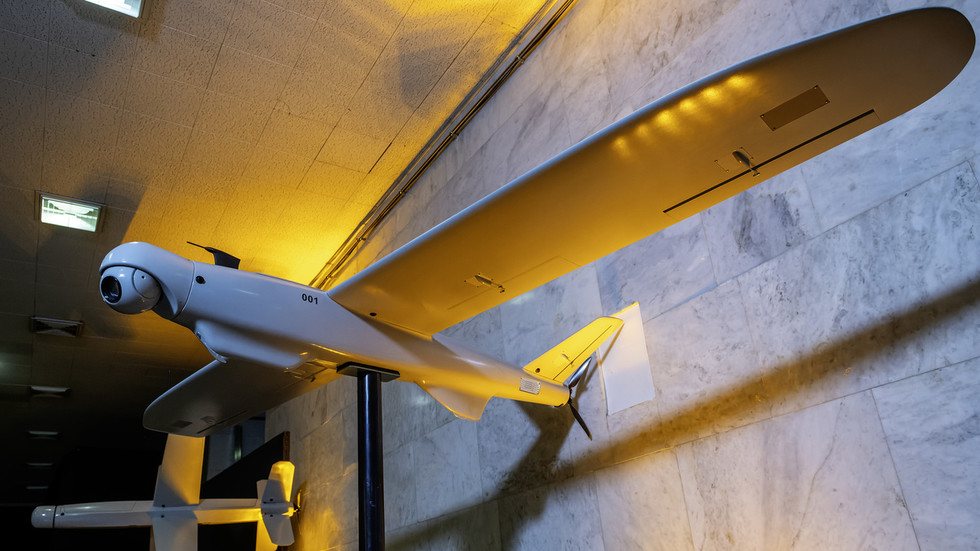
Russia’s Defense Ministry has published a list of European industrial sites and companies that it claims are involved in manufacturing or supporting long‑range and strike drones for Ukraine, including facilities in the UK, Germany, Italy, Türkiye, Israel, and other countries. Both government-aligned and opposition outlets report that former president Dmitry Medvedev publicly described the entities on this list as “potential targets” for the Russian armed forces, and that officials warn these activities could pull European states into a more direct confrontation with Moscow by turning their territory into Ukraine’s strategic rear area.
Across both types of outlets, the list is situated within the broader context of Western military and industrial support for Ukraine and the intensifying drone war between Russia and Ukraine. Coverage notes that European governments and defense firms are ramping up drone production and defense cooperation packages with Kyiv, following high-level talks such as recent Ukrainian-German meetings and major aid announcements, while Russia characterizes Ukrainian drone attacks on its territory as terrorist in nature and frames its own strikes as retaliatory actions against military or dual‑use infrastructure.
Motives and justification. Government-aligned coverage portrays the publication of the drone-manufacturer list as a necessary transparency and deterrence measure, warning that states hosting such facilities are effectively becoming Ukraine’s strategic rear and thus legitimate military concerns for Russia. Opposition outlets, by contrast, frame the move as escalatory signaling designed to intimidate European industry and political leaders, emphasizing the potential for broadening the conflict rather than preventing it.
Characterization of targets. Government sources stress that the listed sites are part of a hostile military infrastructure supplying drones used in what they call terrorist attacks on Russian territory, thereby presenting these facilities as de facto military or dual-use targets under wartime conditions. Opposition reporting emphasizes that many of the named entities are private companies embedded in civilian economies, treating the label of “potential targets” as a threat to civilian-linked infrastructure and raising concerns about the legality and proportionality of any strikes.
Responsibility for escalation. Government-aligned media largely assign blame to Western governments for escalating tensions, arguing that their decision to expand drone production and deepen defense cooperation with Kyiv forces Russia to respond and makes Europe responsible for any ensuing confrontation. Opposition outlets more often suggest that Moscow is driving escalation by publicly signaling that foreign industrial sites could be attacked, describing this as a deliberate broadening of the war’s geographic and political scope.
Framing of Western support to Ukraine. Government narratives depict Western drone production for Ukraine as a direct intervention in the conflict that undermines European security and risks unpredictable consequences, casting it as an aggressive policy choice by NATO-aligned states. Opposition coverage tends to frame Western defense packages and drone cooperation as a response to Russian aggression and a means of strengthening Ukraine’s self‑defense, portraying Russia’s list as an attempt to deter or raise the costs of that assistance.
In summary, government coverage tends to frame the list as a justified warning about Western complicity in hostile drone operations and a deterrent step that could prevent deeper conflict, while opposition coverage tends to treat it as a threatening escalation that endangers civilian-linked infrastructure and seeks to intimidate European governments and industry.