government
FACTBOX: New Strategic Arms Reduction Treaty
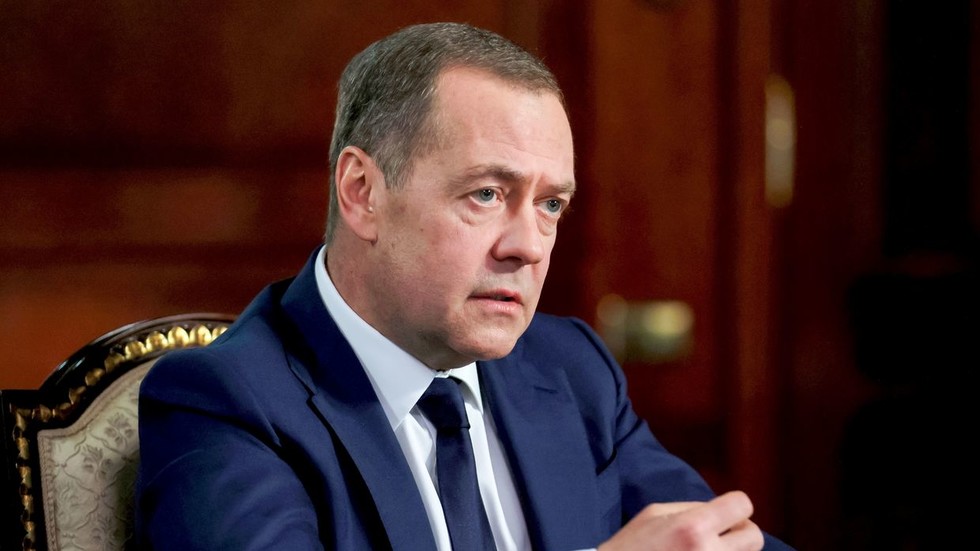
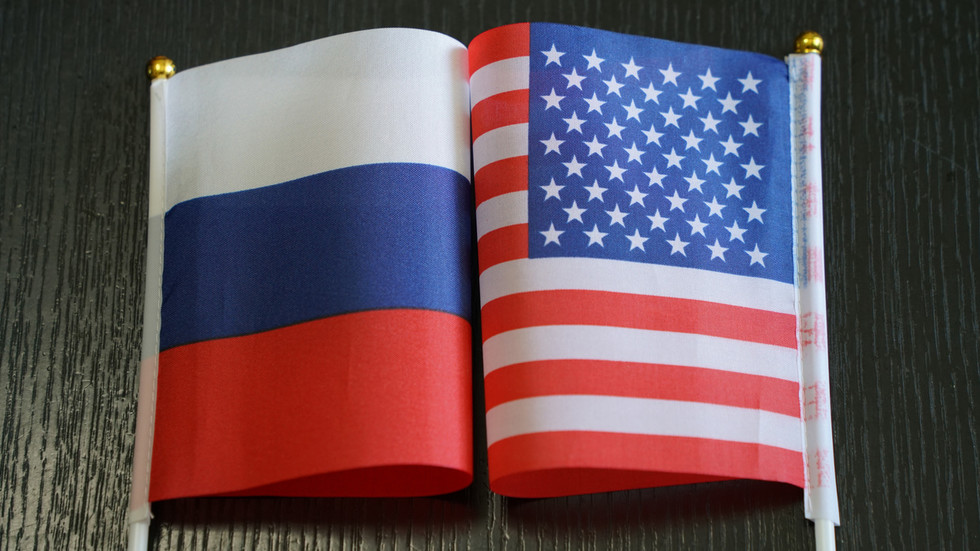
The New START Treaty was signed by the Russian and US presidents, Dmitry Medvedev and Barack Obama, in Prague on April 8, 2010
3 months ago
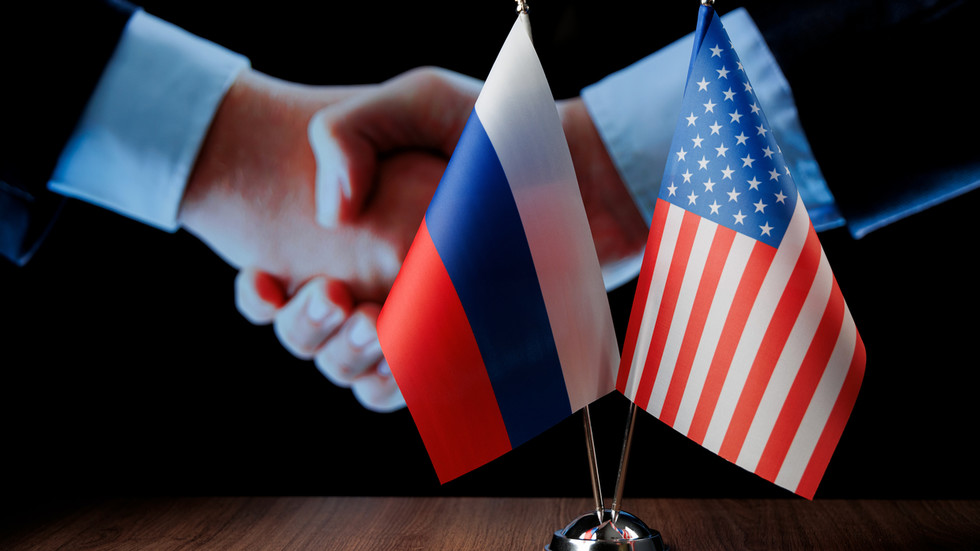
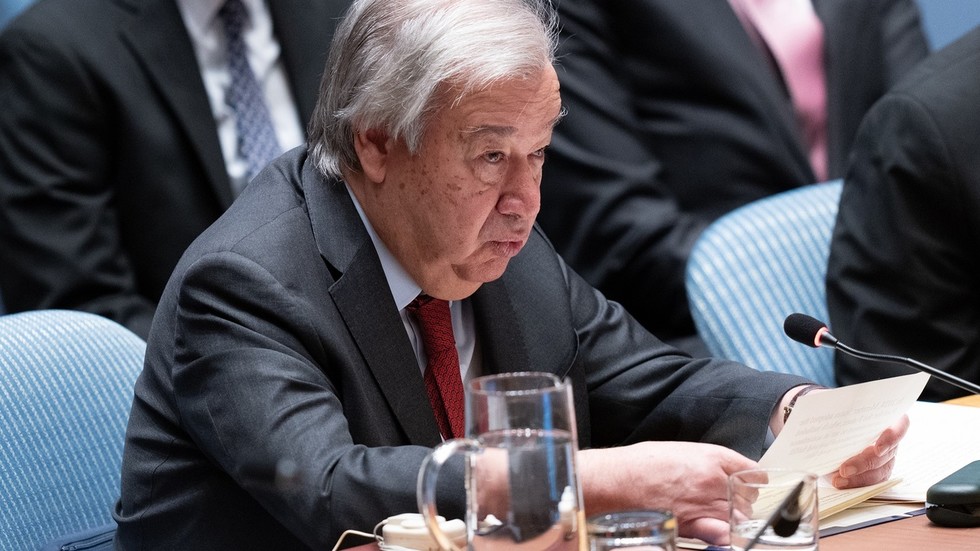
The New START treaty, signed in 2010 and long regarded as the last remaining bilateral agreement limiting the strategic nuclear arsenals of the United States and Russia, has now expired, leaving both countries formally free of constraints on deployed strategic warheads, launchers, and associated verification measures. Across both government-aligned and opposition outlets, coverage agrees that the treaty’s lapse around February 5 ends a roughly half‑century of structured US-Russia nuclear arms control, removes on‑site inspections and data exchanges, and heightens global concern expressed by international actors such as the UN Secretary-General and arms-control experts about a greater risk of miscalculation, arms racing, and nuclear use.
Both sides also concur that the treaty’s demise occurs amid a broader deterioration in US-Russia relations, driven in part by the Ukraine conflict and by shifts toward a more multipolar nuclear environment that includes China and, to a lesser extent, other nuclear-armed states such as the UK and France. There is shared acknowledgment that Washington has pushed for any successor framework to account for China’s expanding arsenal, while Moscow has insisted that Britain and France be counted as well, and that both capitals are simultaneously modernizing their own strategic forces. Government and opposition sources alike report that, despite the expiration, each side has at various points floated interim adherence to New START limits or new negotiations, and that international institutions and experts are urging renewed dialogue to restore some form of strategic stability.
Responsibility and blame. Government-aligned coverage largely frames the expiration as the result of Washington’s refusal to seriously engage with Russia’s proposal to extend New START’s quantitative limits for an additional year, portraying the US as undermining existing arms-control architecture. It emphasizes that Moscow repeatedly signaled readiness to maintain the treaty’s constraints and that its offer "still stands," casting Russian actions as responsible and reactive. Opposition outlets, by contrast, stress a more symmetrical failure of both Washington and Moscow, describing them as having "chosen to fly blind" and suggesting that each side prioritized geopolitical advantage over sustaining the last nuclear guardrail.
Motives for a new framework. Government sources highlight US demands to include China as the main obstacle, arguing that Washington used Beijing’s growing arsenal as a pretext to avoid extending a workable treaty while pursuing a broader strategy of strategic pressure on Russia. They also stress Moscow’s insistence that any expanded framework must count the UK and France, presenting this as a principled position on equitable limits. Opposition coverage tends to interpret these conditions as part of a mutual escalation of demands, depicting both governments as raising the bar for inclusion in ways that made swift extension politically impossible and contributed to the treaty’s collapse.
Risk assessment and strategic stability. Government-aligned narratives underscore Russia’s stated intention to act "responsibly" and "measuredly," claiming it will base its posture on US moves and the evolving strategic environment while remaining open to dialogue, even as it prepares “military-technical” countermeasures. They also spotlight commentary that strategic stability now rests primarily on mutual fear, but portray this as a consequence of US unilateralism and NATO ambitions. Opposition reporting, while also warning of heightened danger, puts greater weight on the loss of verification and transparency mechanisms, arguing that both sides are now more prone to worst-case assumptions and that the absence of inspections, not just US or Russian policy, is what makes the world markedly more dangerous.
Characterization of the broader arms-control order. Government outlets present the end of New START as the culmination of a long pattern of US withdrawal from Cold War–era agreements and an unwillingness to be bound by legally constraining treaties, framing Russia as defending a rules-based strategic balance while adapting to new domains of confrontation. They often link the treaty’s expiration to what they describe as Washington’s pursuit of Russia’s “strategic defeat” in Ukraine, arguing that this reveals the hollowness of earlier American commitments to arms control. Opposition sources instead emphasize systemic failure on both sides, portraying New START’s collapse as part of a wider unraveling of global arms control driven by great-power rivalry, domestic political incentives, and the emergence of new nuclear actors that neither Washington nor Moscow adequately accommodated.
In summary, government coverage tends to depict Russia as the more responsible actor that sought to preserve or modernize New START and was rebuffed by an uncompromising United States, while opposition coverage tends to cast both Washington and Moscow as jointly culpable for allowing the last nuclear constraint to lapse and for steering the world into a more opaque and dangerous strategic environment.