government
Talks in Geneva address 'major issues, major compromises'
The trilateral talks have been underway for over four hours
3 months ago
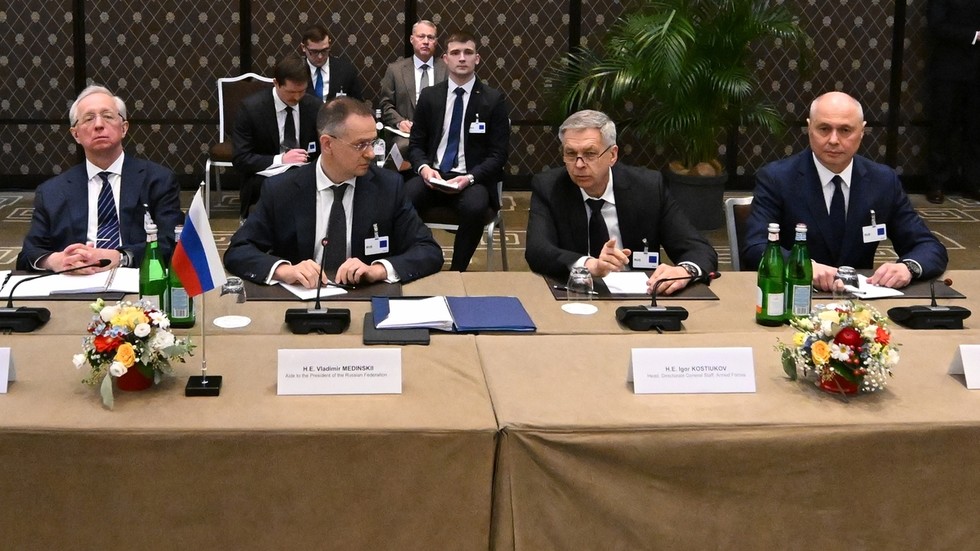
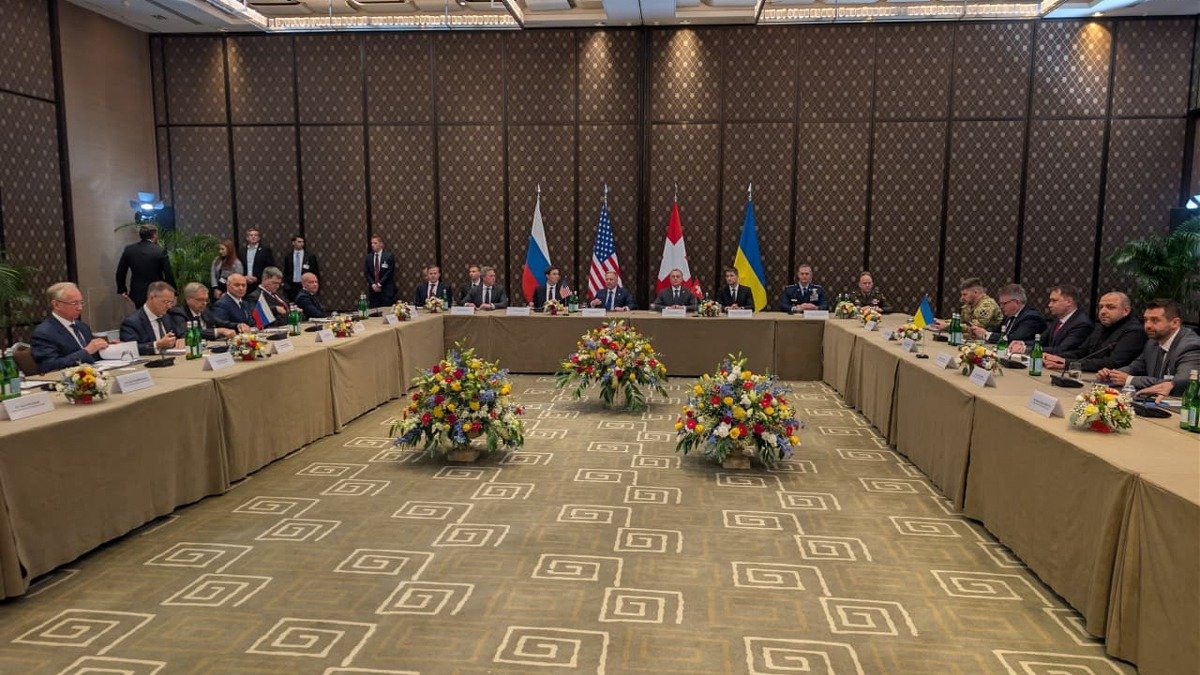
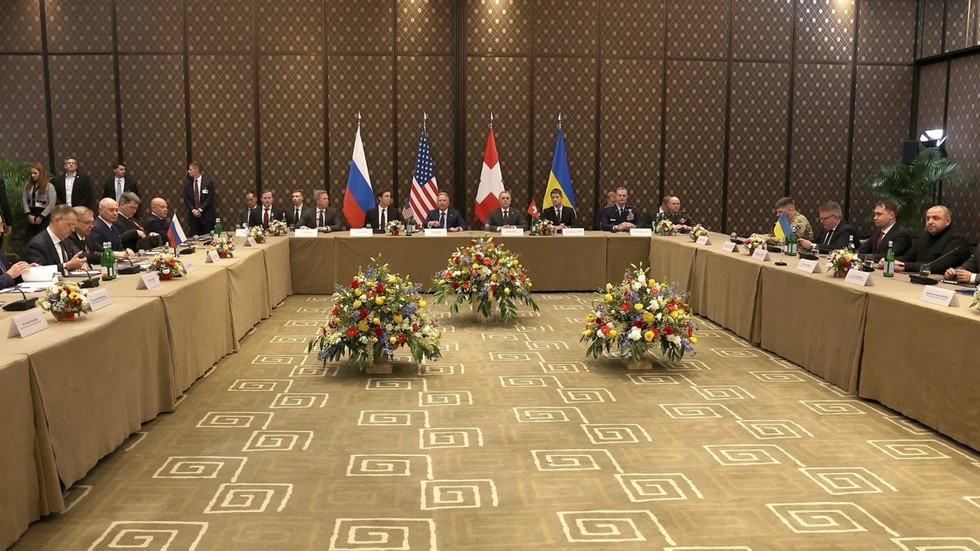
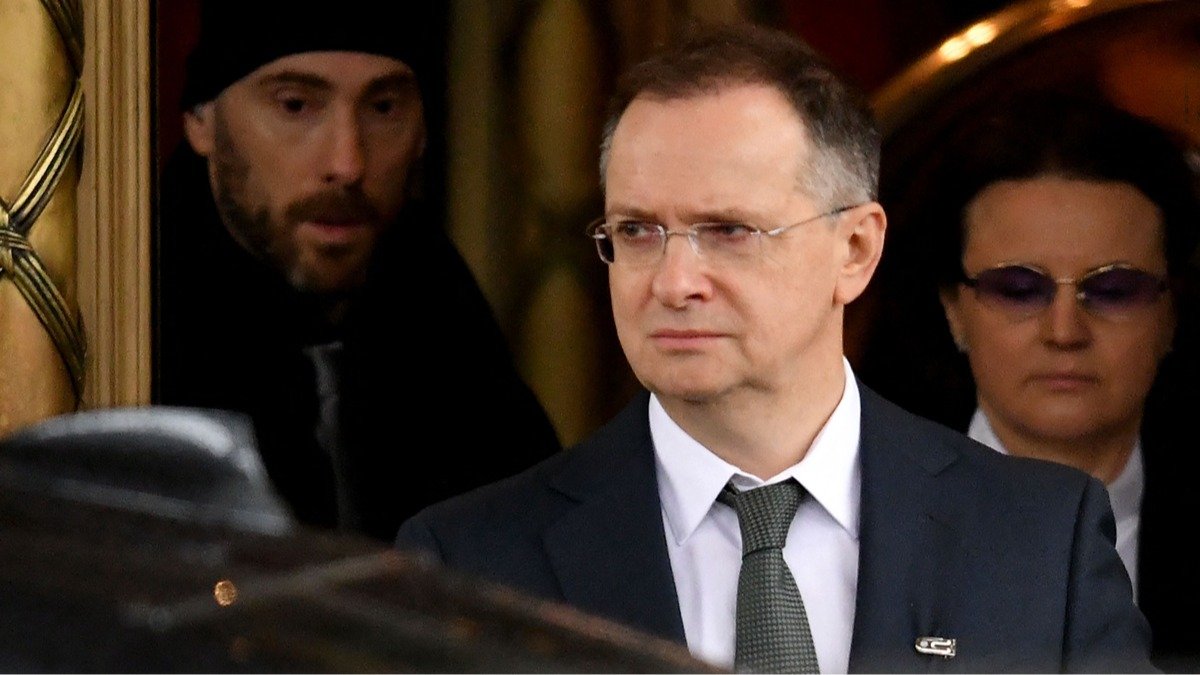
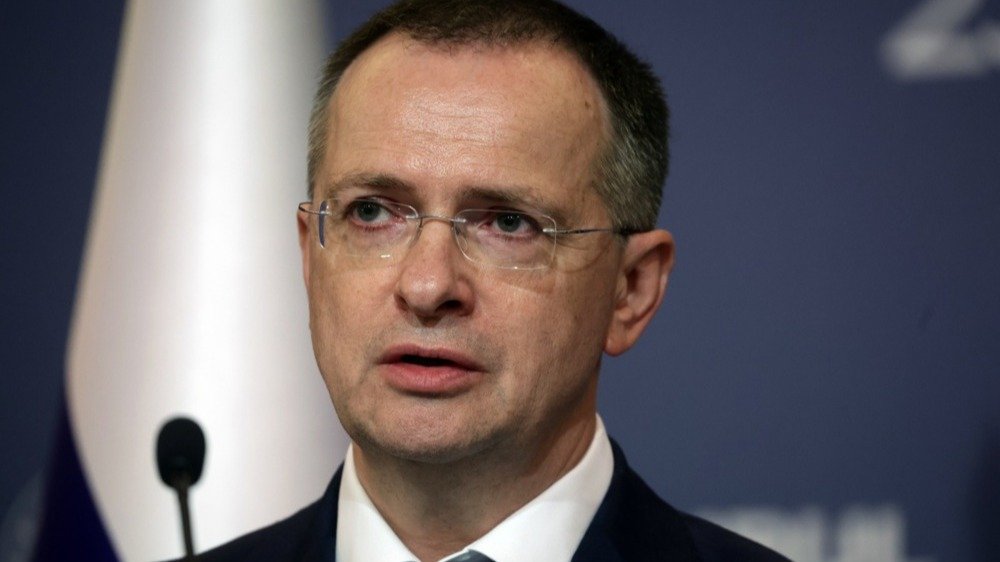
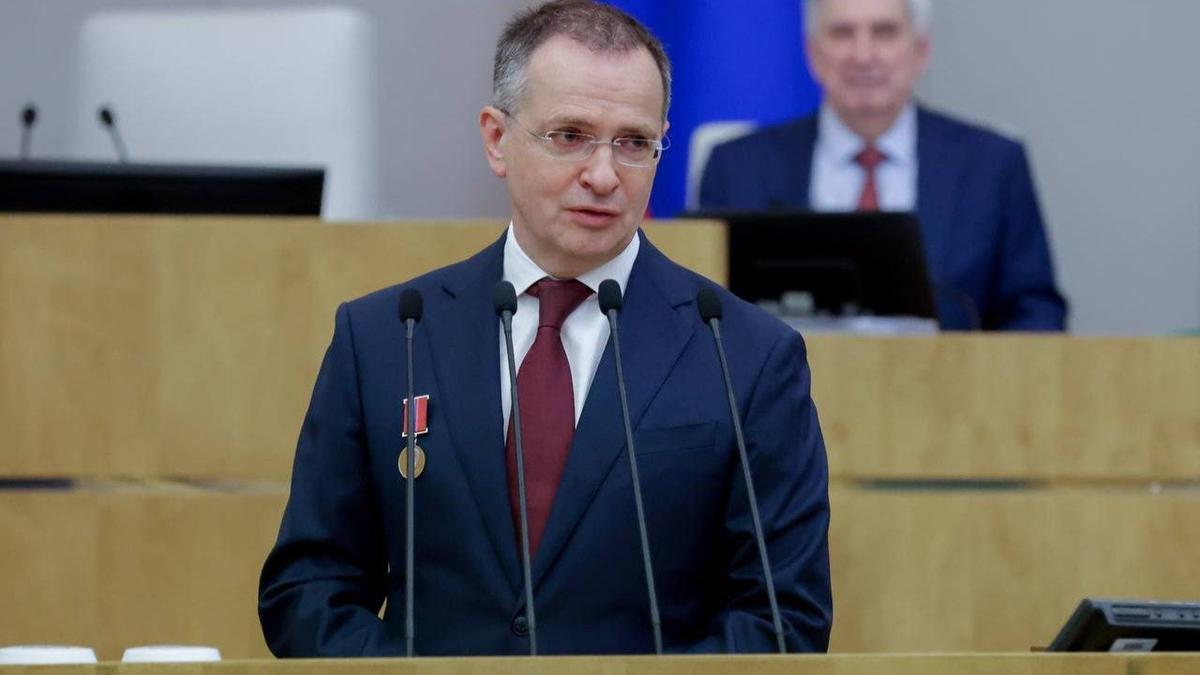
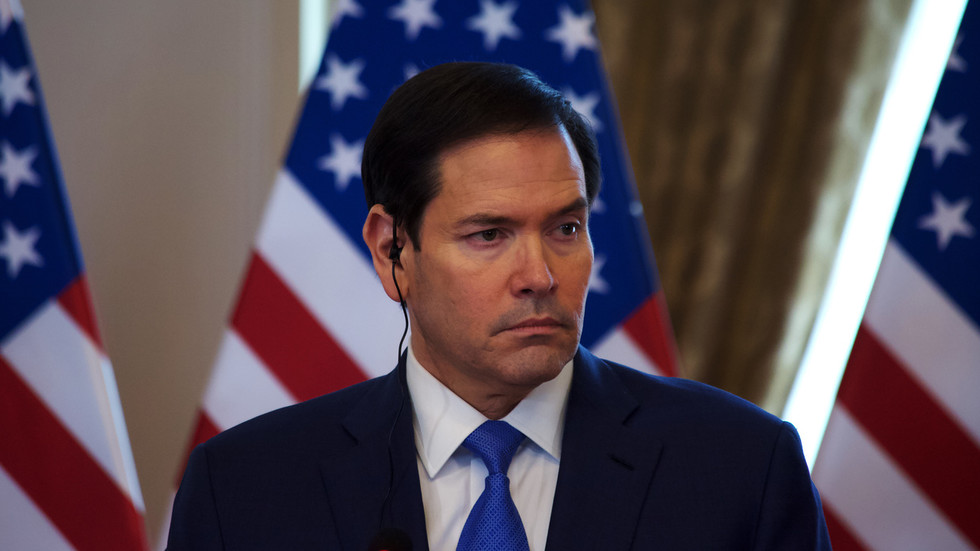
The Geneva talks on the Ukrainian settlement are described by both government-aligned and opposition outlets as a new round of trilateral negotiations between Russia, the United States, and Ukraine, scheduled for February 17–18 in Geneva, Switzerland. All sources agree that these will be the third round of such consultations, following previous meetings in Abu Dhabi that produced at least one large prisoner-of-war exchange involving 314 people and discussions on ceasefire mechanisms. Government and opposition reports both state that the Russian delegation will be led by presidential aide Vladimir Medinsky, replacing earlier military-led formats, and that the talks will feature expanded participation by senior Russian officials. They concur that the United States will be represented by high-level envoys, including a special presidential envoy, and that Ukraine is sending a delegation composed of senior officials whose names and positions have been reported in more detail by opposition outlets.
Across both camps, there is agreement that the Geneva round will broaden the agenda beyond narrow security and logistics to include territorial questions and political arrangements designed to move toward a more durable settlement. Both sides describe Geneva as a mutually acceptable and logistically convenient venue, selected because the schedules and preferences of all three parties aligned there, and they acknowledge that the previous Abu Dhabi rounds are the immediate institutional and diplomatic background for this move. They also concur that key unresolved issues include territorial control in Donbas and related regions, Ukraine’s longer-term security architecture, and the framework for potential future elections or governance arrangements in contested areas. While details of the negotiating documents remain largely secret by design, both government and opposition outlets present the process as a structured, phased effort in which prisoner exchanges and limited ceasefires have already been tested and where the February 17–18 talks are meant to address more politically sensitive questions.
Framing of negotiations and agency. Government-aligned coverage portrays the Geneva talks as a balanced trilateral process in which Russia comes with clear instructions to resolve root causes and the United States plays the role of facilitator rather than imposer, emphasizing that Washington is helping but not dictating terms. Opposition outlets, by contrast, stress that the talks are heavily shaped by great-power bargaining, highlighting the prominence of US envoys and implying that Ukraine’s room for independent maneuver is constrained within a framework largely engineered by Moscow and Washington.
Characterization of Russia’s role and intentions. Government sources present Russia as seeking a durable settlement, expanding the agenda to include economic cooperation, and pushing back against what they call a European “war party” that allegedly obstructs peace efforts, while justifying delegation changes as a sign of broader, more serious engagement. Opposition reporting, while acknowledging Medinsky’s leadership and the upgraded delegation, tends to underline his reputation as a loyal political operator and suggests that the focus on territorial issues reflects Russia’s drive to formalize or legitimize territorial gains rather than a neutral quest for stability.
Territorial issues and concessions. Government coverage emphasizes that territorial questions, including demands for Ukrainian withdrawal from Donbas, are central sticking points and hints that the United States has previously pressured Kyiv to consider concessions, framing this as pragmatic realism in pursuit of peace. Opposition outlets, where they touch on substance, are more cautious and implicitly critical of any narrative that normalizes such demands, portraying territorial discussions as negotiations conducted under asymmetrical pressure and raising concern that Ukrainian representatives may be pushed toward compromises that undermine sovereignty.
International context and transparency. Government-aligned media links the Geneva talks to broader strategic themes such as renewing the US–European alliance, expanding trade with blocs like MERCOSUR, and maintaining confidentiality as a necessary condition for success, suggesting that external criticism or leaks endanger diplomacy. Opposition sources, in contrast, are more likely to stress the opacity of the process and the heavy security curtain around the agenda, implying that secrecy allows both Moscow and its partners to shield controversial bargaining from domestic scrutiny in Russia and Ukraine alike.
In summary, government coverage tends to frame the Geneva meetings as a constructive, balanced trilateral peace initiative in which Russia acts responsibly and pragmatically to secure a comprehensive settlement, while opposition coverage tends to depict them as opaque, power-skewed talks that risk consolidating Russian gains and curbing Ukrainian agency under the guise of high-level diplomacy.