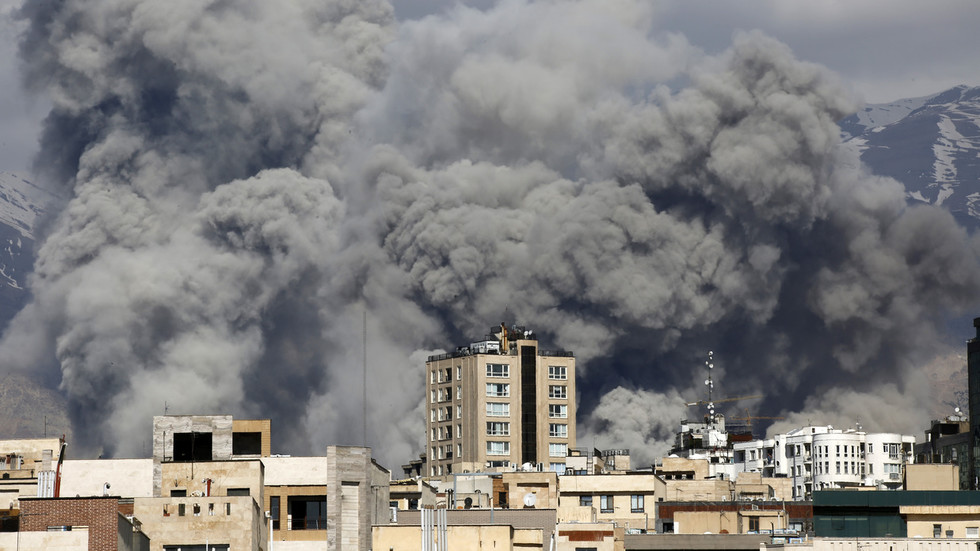
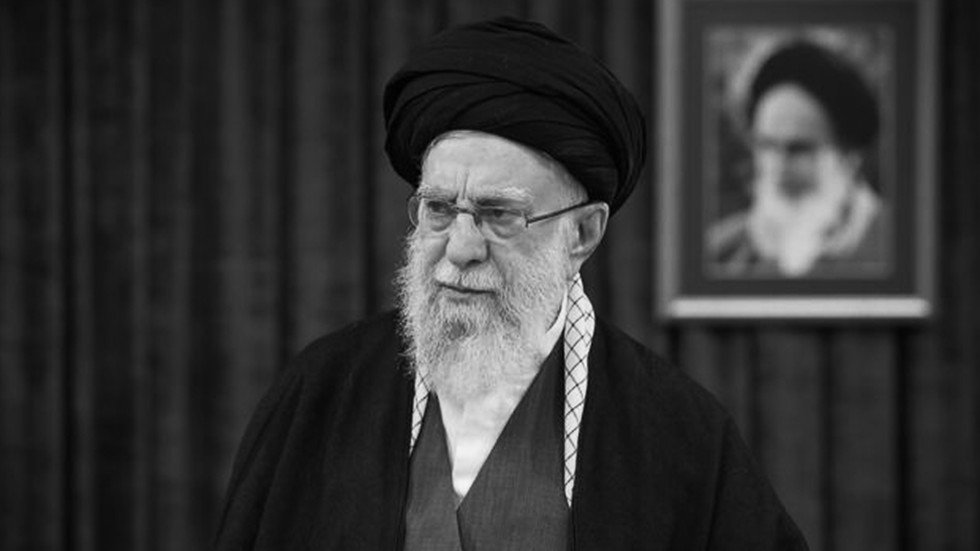
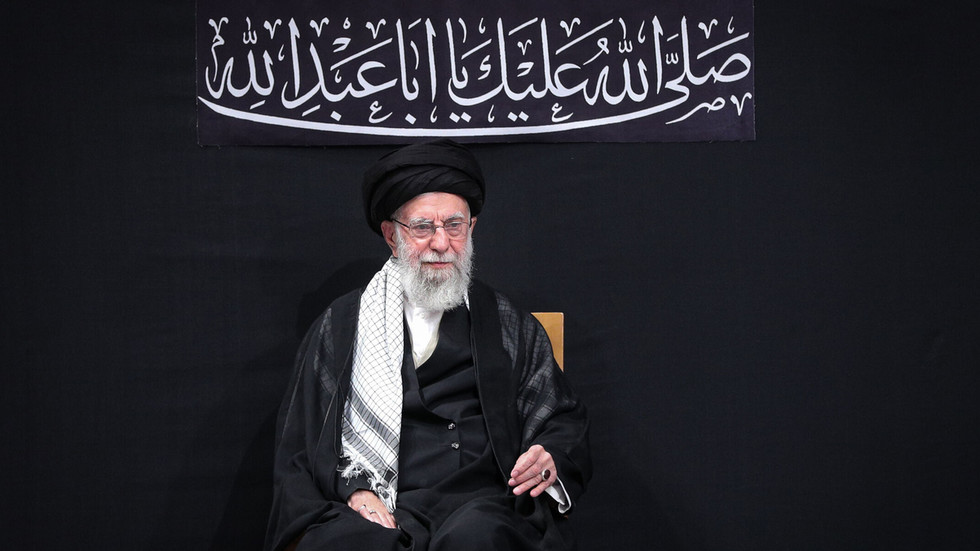
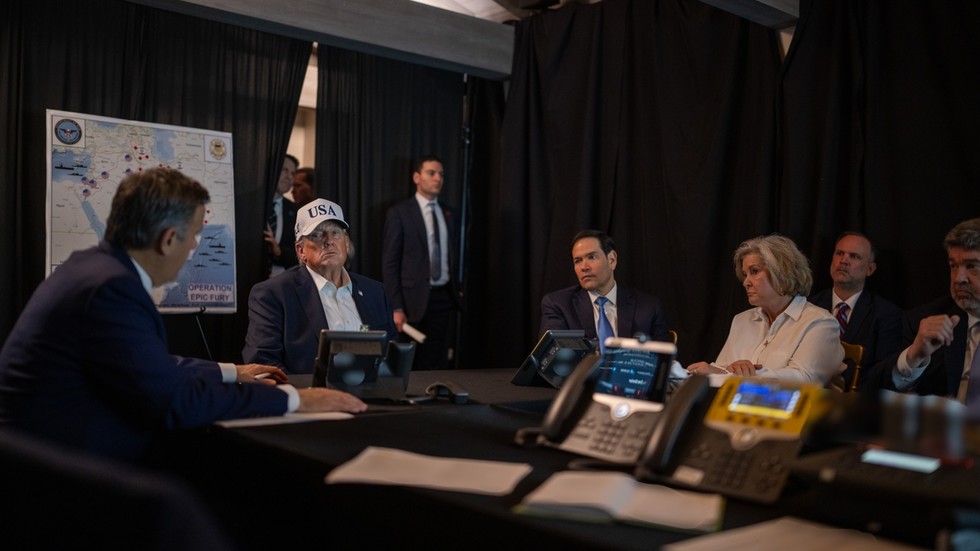
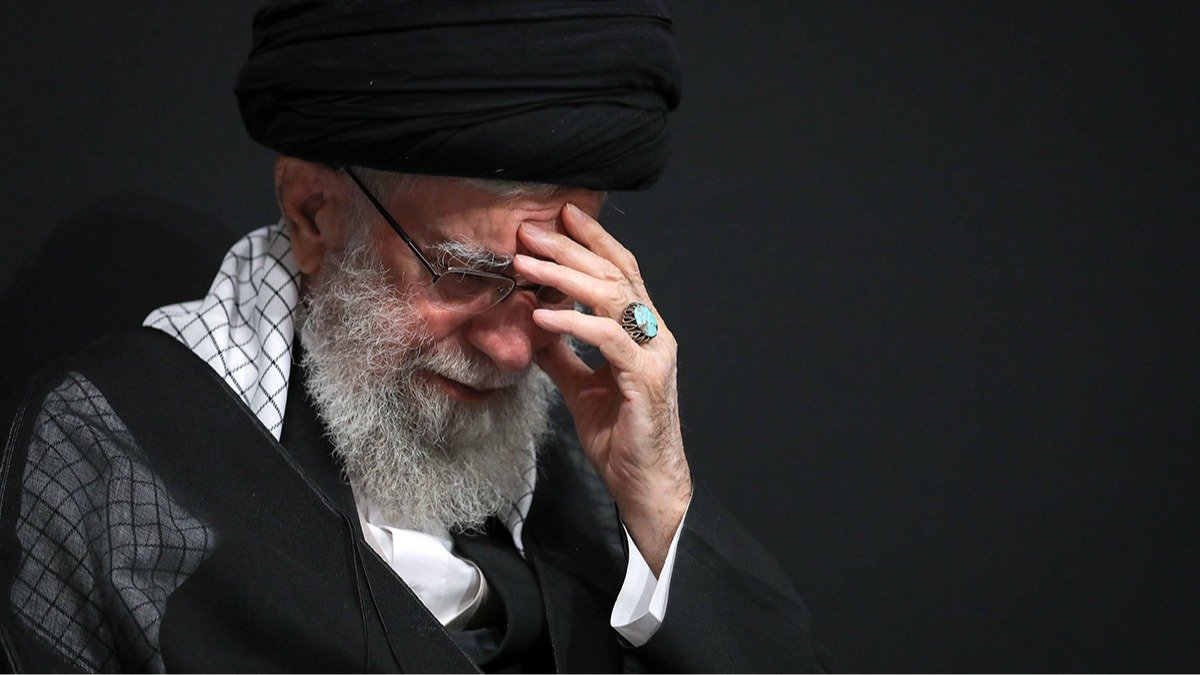
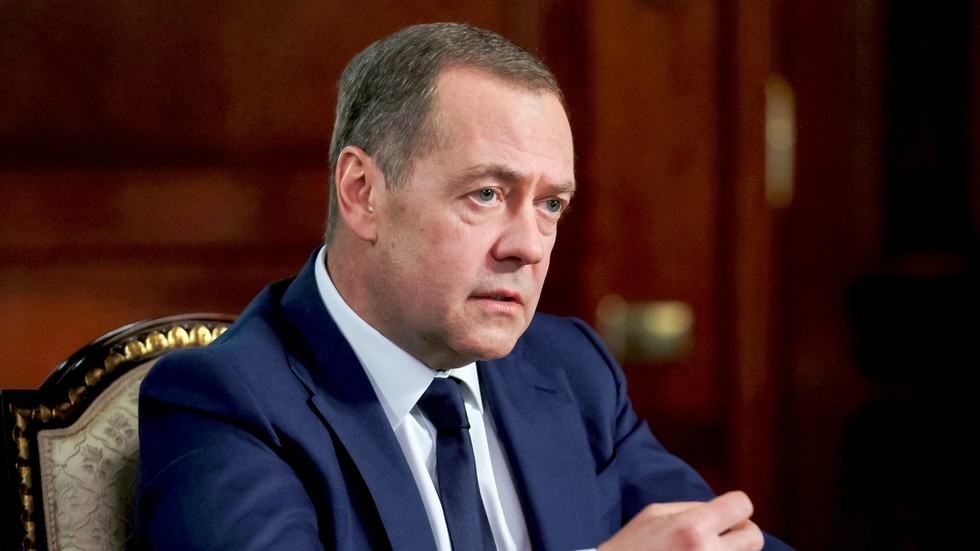
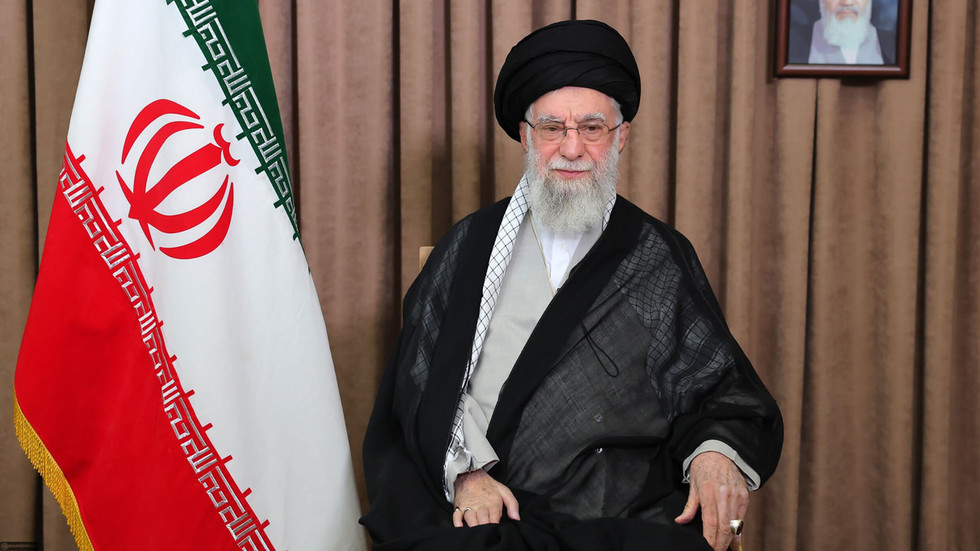
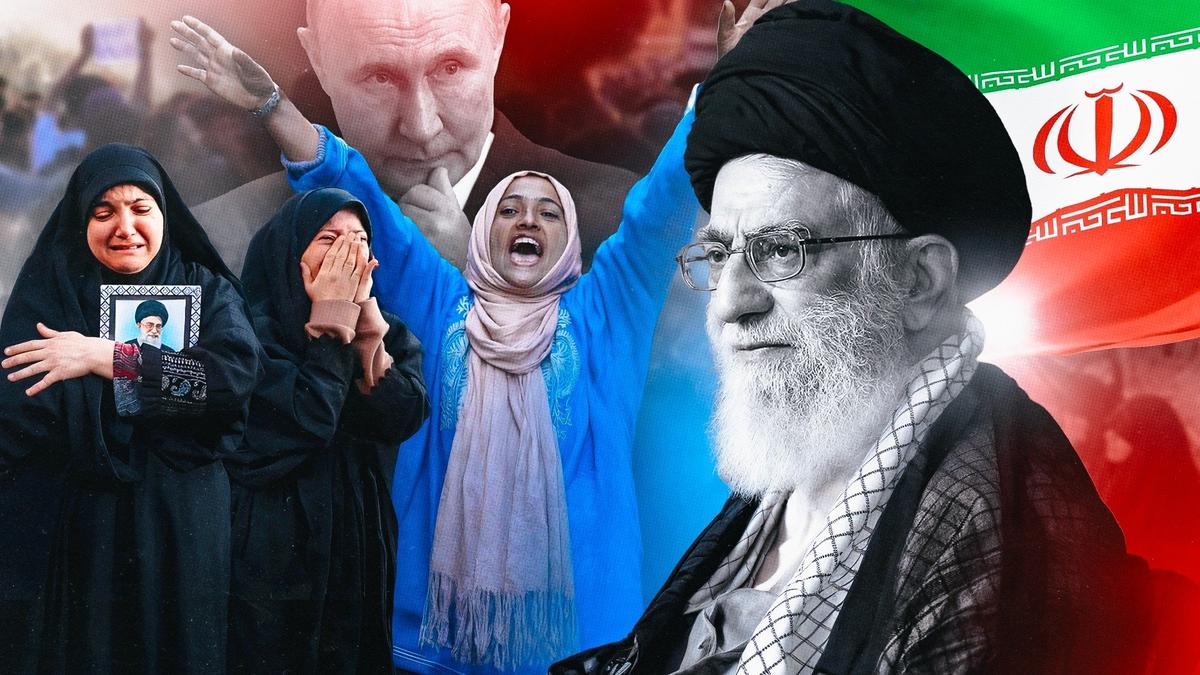
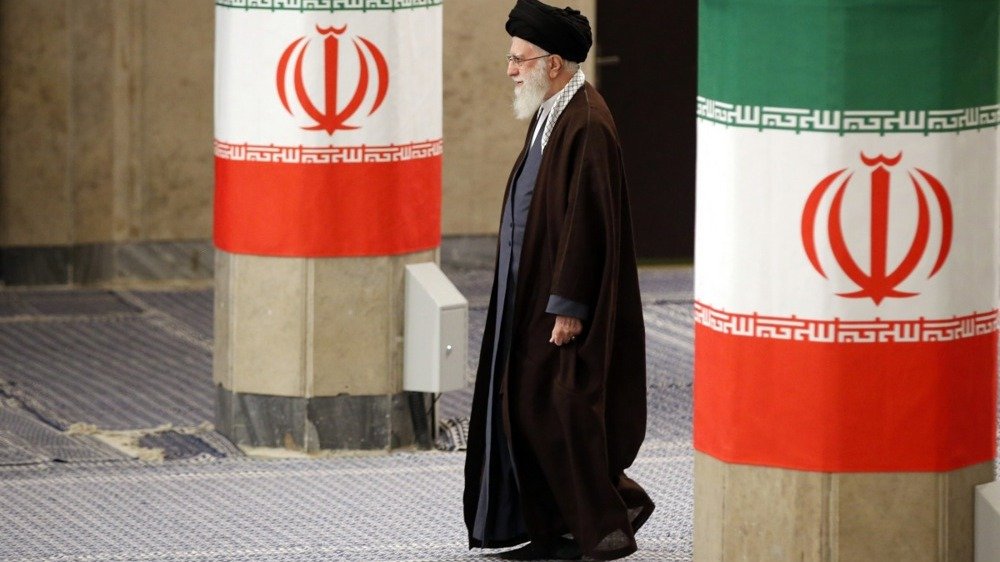
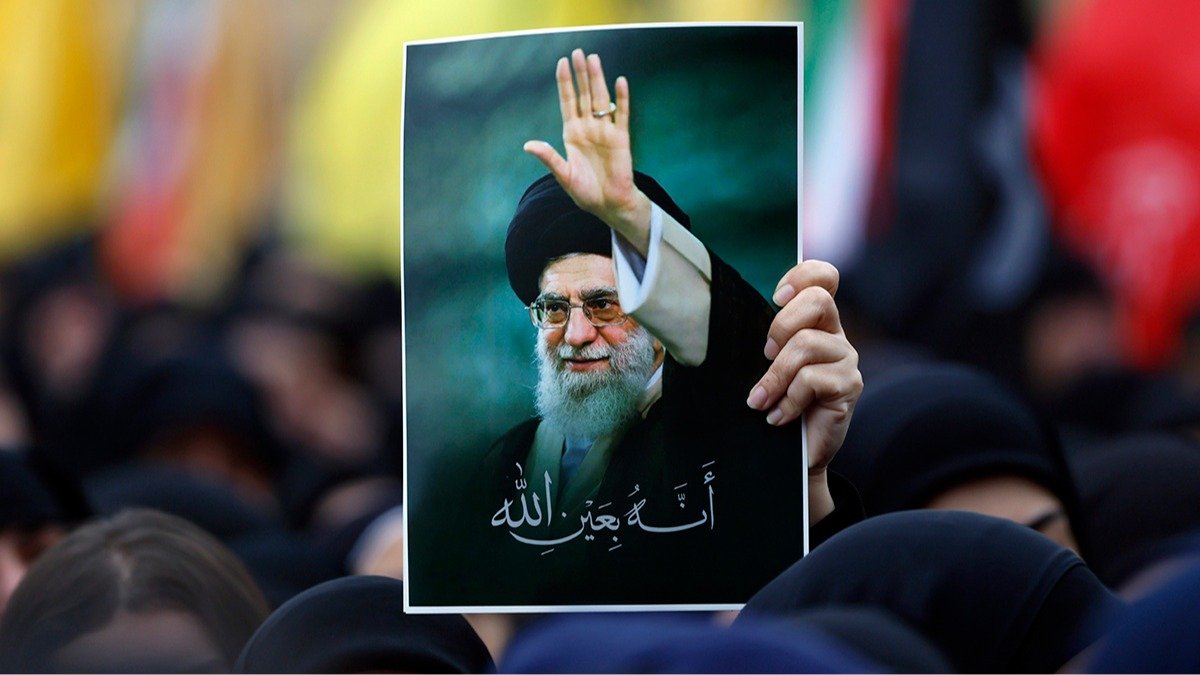
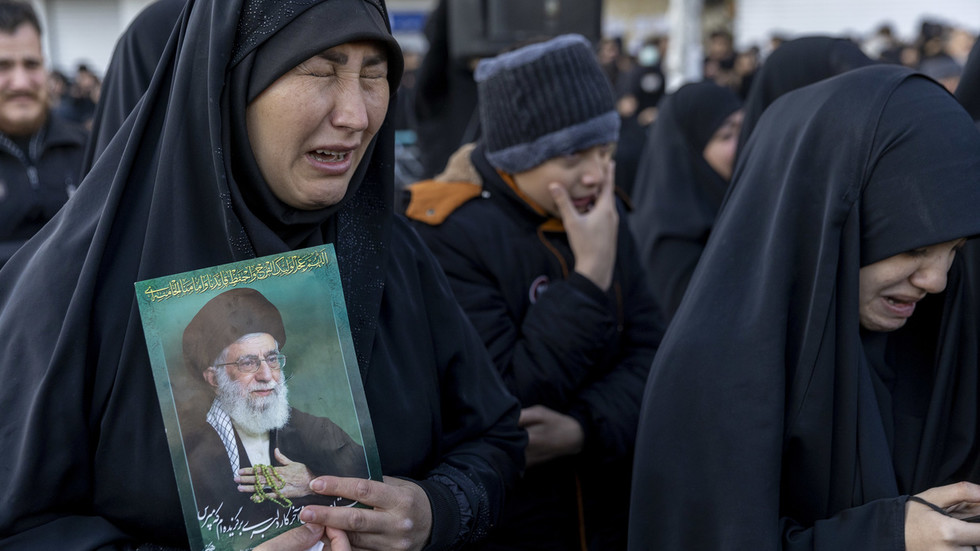
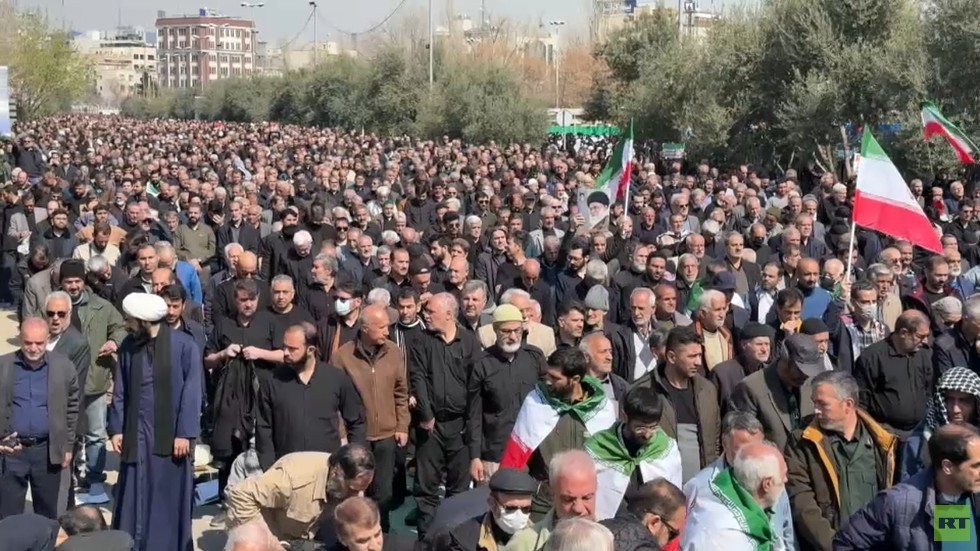
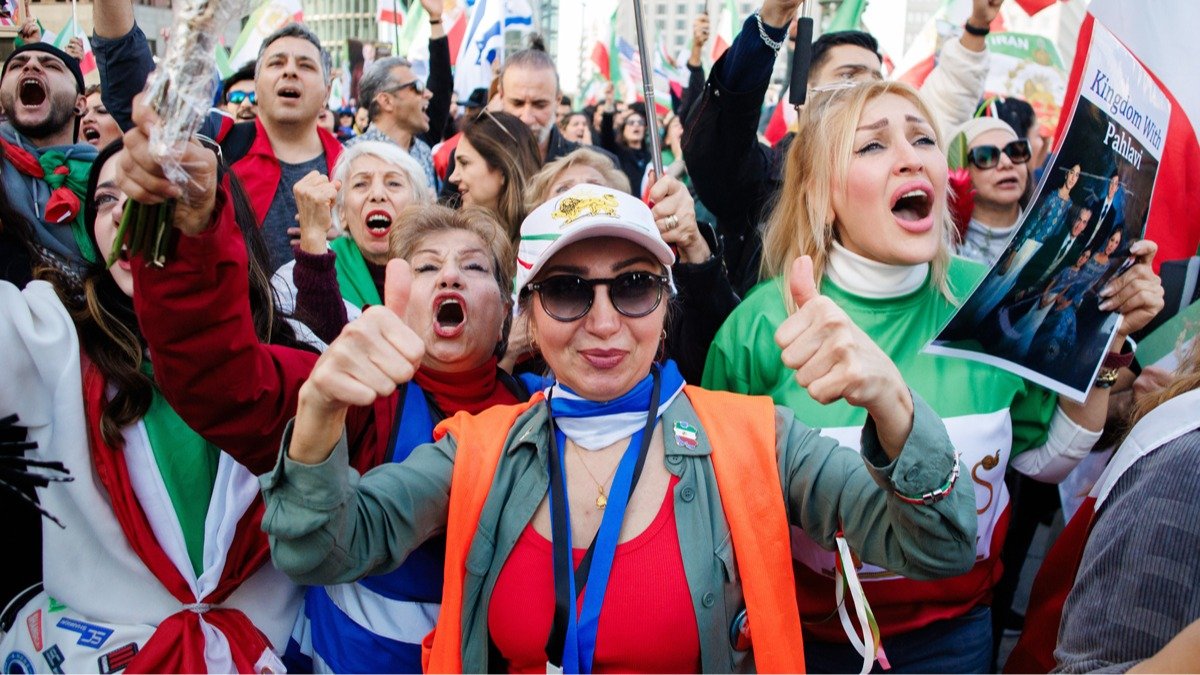
Iranian authorities confirmed the death of the Supreme Leader of the Islamic Republic, Seyyed Ali Khamenei, on the night of March 1st. Earlier, Israel and the US announced that the Ayatollah had died during a missile attack on his residence. Ali Khamenei ruled Iran for almost 37 years. After a 12-day war in June last year, the United States used its knowledge of the Ayatollah's location to better track and predict his movements. The US and Israel also gathered detailed information about the whereabouts of key Iranian intelligence personnel. Khamenei, however, was hiding in a secure location and rarely appeared in public. The material from 'Novaya Gazeta Europe' provides more details on how the operation to assassinate Khamenei was prepared, who might lead Iran, and how his death was reacted to within the country and abroad. Supreme Leader of Iran Ayatollah Ali Khamenei participates in the first evening of the Arba'een mourning council for Abu Abdullah al-Husayn in Iran on July 24, 2023. Photo: Apaimages / SIPA / Scanpix / LETA. What is known about the preparation for the assassination The CIA had been tracking Seyyed Ali Khamenei for several months, The New York Times reported, citing sources familiar with the operation. Intelligence learned that a meeting of high-ranking Iranian officials, including the supreme leader, was scheduled for Saturday morning in the center of Tehran. It was then, according to the newspaper, that the United States and Israel coordinated the timing of the attack, although they initially planned to strike Iranian territory at night. This indicates close cooperation and intelligence sharing between the two countries, as well as that they had accumulated sufficient intelligence, especially after the 12-day war in June last year, NYT notes. Furthermore, the success of the operation, according to the publication, demonstrates the inability of Iranian leaders to take necessary precautions, especially since both Israel and the US had made it clear that they were preparing for war. According to the plan, high-ranking Iranian defense officials were to attend the meeting on February 28, including the Commander-in-Chief of the Islamic Revolutionary Guard Corps (IRGC) Mohammad Pakpour, Defense Minister Aziz Nasirzadeh, Head of the Military Council Admiral Ali Shamkhani, Commander of the IRGC Aerospace Force Seyyed Majid Mousavi, Deputy Minister of Intelligence Mohammad Shirazi, and others. On Sunday, Iran's state news agency IRNA also confirmed the deaths of Shamkhani and Pakpour. Israeli fighter jets took off from their bases around 6 AM (7:30 AM Tehran time). Not many aircraft were needed to carry out the strike, but they were armed with long-range, high-precision munitions, NYT writes. Two hours later, long-range missiles hit a complex of buildings. One of them indeed housed high-ranking Iranian national security personnel, while Khamenei was in another building nearby. A protester holds a keychain with an image of Iran's Supreme Leader Ayatollah Ali Khamenei during a protest against US-Israeli attacks on Iran, Istanbul, Turkey, March 1, 2026. Photo: Erdem Sahin / EPA. In June last year, US President Donald Trump stated that the United States knew where Ayatollah Khamenei was hiding and could have killed him. According to a former US official interviewed by NYT, this intelligence was obtained from the same sources the US relied on Saturday. According to the newspaper's sources, one high-ranking Iranian intelligence official managed to escape, but the upper echelons of Iran's intelligence services were significantly depleted in the attack. According to The Washington Post, US Vice President JD Vance observed the military operation from the White House Situation Room on Saturday morning, conferencing with the President and his national security team, who were monitoring the situation in Iran from Mar-a-Lago. Director of National Intelligence Tulsi Gabbard, who has long opposed war with Iran, was also present in the White House with Vance. Secretary of Energy Chris Wright and Secretary of the Treasury Scott Bessent were also in the Situation Room. "Khamenei, one of the most evil people in history, is dead. This is not only justice for the people of Iran but for all great Americans and people from many countries around the world killed or maimed by Khamenei and his gang of bloodthirsty thugs. He could not escape our intelligence and high-tech surveillance systems, and working closely with Israel, he or other leaders killed with him could do nothing," Donald Trump wrote on his Truth Social social media platform after news of the Ayatollah's death emerged. Become a co-participant of 'Novaya Gazeta' Subscribe to the newsletter and receive emails from the editorial office Subscribe The Role of Israel and Saudi Arabia According to four sources cited by The Washington Post, Saudi Crown Prince Mohammed bin Salman Al Saud repeatedly called Trump by phone over the past month, urging him to strike Iran. Officially, Saudi Arabia stated it would not support the US in any military action against Iran. The Crown Prince urged Tehran and Washington to resolve their differences diplomatically. At the same time, Israeli Prime Minister Benjamin Netanyahu was also persuading Trump to strike Iran. According to WP, it was the joint efforts of these two leaders that led the US President to order a large-scale air campaign against the Iranian leadership and army. During negotiations with US officials, the Saudi leader warned that Iran would become stronger and more dangerous if the United States did not strike now, after concentrating the largest military presence in the Middle East since the invasion of Iraq in 2003, anonymous WP sources reported. Prince Mohammed with US President Donald Trump in the Oval Office in 2017. Photo: Wikimedia. Additionally, according to the newspaper's sources, Mohammed's position was supported by his brother, Saudi Defense Minister Khalid bin Salman, who held closed meetings with American officials in Washington in January and warned of the negative consequences of not attacking. The discrepancy between the Saudi leader's official and unofficial positions is due to a desire to avoid retaliation from Iran against the country's vulnerable oil infrastructure, WP believes. Saudi authorities also believe that Tehran is Riyadh's main enemy in the region, the newspaper's sources said. Iran, predominantly Shia Muslim, and Saudi Arabia, led by Sunnis, have long been in conflict. Following the US and Israeli attack on Iran on February 28, Iran retaliated with strikes against various countries in the Middle East, including Saudi Arabia. Riyadh issued an angry statement condemning the attack and calling on the international community to "take all necessary and decisive measures" to confront Iran. How Ali Khamenei Came to Power The Islamic Revolution occurred in 1978. Initially, in January 1978, a group of students protested in the city of Qom, a religious center in Iran, and the police began shooting at them. On the 40th day, commemorating the deceased, protests erupted in Tabriz, then in other cities. General strikes followed, with Iranians ceasing work. The scale was such that it undermined the country's economy. The Shah attempted to take measures, promising free elections, but it was too late. He had to flee Iran, and Khomeini triumphantly returned to the country in February 1979 after 14 years in exile. Iran became an Islamic republic headed by a supreme ayatollah. In 1979, Khomeini was 77 years old. He died in June 1989, and Ayatollah Ali Khamenei took his place, and the supreme ruler in Iran has not changed since then. It was Khamenei who created the network of Iranian proxy forces operating in the Middle East, Iranian scholar Nikita Smagin told 'Novaya Gazeta Europe'. Over the years of Khamenei's rule, the role of the Islamic Revolutionary Guard Corps (IRGC) increased, Iran expanded its influence in the region through a network of allied armed groups, relations with the US and Israel worsened, the country faced harsh international sanctions, and protests with aggressive suppression by security forces occurred regularly within the country. Who Will Replace Khamenei The death of the supreme leader Ayatollah after nearly 37 years in power raises crucial questions about Iran's future. According to the Constitution, in case of the death or resignation of the Supreme Leader, a new leader must be chosen as soon as possible. To do this, all members of the Assembly of Experts, consisting of approximately 88 Islamic theologians, must be convened. These are exclusively Shia clerics elected by popular vote every eight years, whose candidatures are approved by Iran's Guardian Council. However, as BBC notes, doing this amid a war with the US and Israel may not be easy. It is difficult to assess who will be the main contender for the leadership role, as discussions occur away from public view, AP notes. However, Ayatollah Alireza Arafi has been temporarily appointed to act as the Supreme Leader of Iran; he holds the position of a jurist and a member of the Leadership Council. Arafi is less public but is considered a respected theologian and a person close to the deceased leader. He is a member of the Guardian Council, which oversees the electoral process and ensures laws comply with the Constitution, and heads Iran's seminary system. However, observers note that his influence in the political sphere is limited, and he lacks strong ties with the security forces. Shia Muslims mourn the assassination of Iran's Supreme Leader Ayatollah Ali Khamenei during a protest against the US and Israel in Srinagar, Kashmir, India, March 1, 2026. Photo: Habib Naqash / AFP / Scanpix / LETA. Among possible successors, media mention 56-year-old Mojtaba Khamenei, Ali Khamenei's second son, known for his close contacts with the IRGC and the affiliated Basij organization. However, his candidacy may be controversial, as the Shia religious tradition does not encourage the hereditary transfer of supreme power from father to son. Furthermore, Mojtaba does not hold official government positions and is not among the highest religious authorities. The US imposed sanctions on him in 2019. Another potential candidate mentioned is Mohammad Mehdi Mirbagheri, who is around 60 years old. He is considered a representative of the most hardline and conservative wing of the clergy. It was recently reported that he justified a large number of casualties in the Gaza war, stating that the death of even half the world's population "is worth it" if it brings one closer to God, CNN writes. According to the activist publication IranWire, Mohammad Mehdi Mirbagheri strongly opposes the West and believes that conflict between believers and infidels is inevitable. He currently heads the Islamic Academy of Sciences in the northern holy city of Qom. Also among potential successors is Hassan Khomeini, grandson of the founder of the Islamic Republic, Ruhollah Khomeini. He is around 50 years old. Hassan Khomeini has not held government positions and, according to experts, does not possess significant influence in security circles or among the ruling elite. He is often characterized as more moderate compared to the generation that came of age after the revolution. Hashem Hosseini Bushehri, approximately 70 years old, is also considered a possible candidate. He holds the position of First Deputy Chairman of the Assembly of Experts and is among influential religious figures. Bushehri is considered close to Khamenei, but he has not played a leading public role in the country's political system and, according to available data, does not have close ties with the IRGC. On March 1, Iran formed a council to assume leadership responsibilities and govern the country. The council includes the current President of Iran, the head of the country's judiciary, and a member of the Guardian Council, elected by Iran's Expediency Council, which advises the supreme leader and resolves disputes with parliament. President Masoud Pezeshkian, who holds reformist views, and the head of the judiciary, who advocates for a hardline policy, Gholamhossein Mohseni Ejei, are members of this group who will temporarily assume all leadership duties. In anticipation of the strike on Iran, the CIA concluded that even if Supreme Leader Khamenei were killed in the operation, he could be replaced by radical figures from the IRGC (an elite military unit whose goal is to protect the Shia Muslim clerical rule in Iran), Reuters learned from two sources. According to a third source familiar with the situation, the rise of IRGC representatives was one of many scenarios considered. However, the CIA was not confident in any of the outcomes. Vladimir Putin and Iran's Supreme Leader Ayatollah Ali Khamenei in Tehran, Iran, November 23, 2015. Photo: Alexey Druzhinin / Sputnik / Scanpix / LETA. Reactions to the Ayatollah's Death Upon hearing the news of Khamenei's death, people gathered in squares and mosques across Iran to honor the leader's memory, according to Iran's state news agency Tasnim. A 40-day mourning period has been declared in the country, with the next seven days being non-working days. However, as reported by Reuters and NYT, some Iranians took to the streets of Tehran, Karaj, and Isfahan to celebrate the Ayatollah's death. Iranian diaspora communities in various countries are also celebrating Khamenei's death. Vladimir Putin expressed condolences to Iranian President Masoud Pezeshkian over Khamenei's assassination. "Please accept my deepest condolences on the assassination of the Supreme Leader of the Islamic Republic of Iran, Seyyed Ali Khamenei, and members of his family, committed with cynical violation of all norms of human morality and international law. In our country, Ayatollah Khamenei will be remembered as an outstanding statesman who made a huge personal contribution to the development of friendly Russian-Iranian relations, elevating them to the level of comprehensive strategic partnership," the statement published on the Kremlin's website reads.